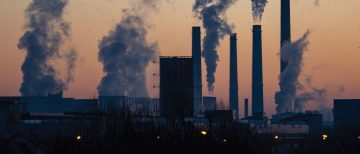
UBC News: Is there something in the air? These UBC researchers want to know
We all know air quality can sometimes be imperfect. The smells and aromas produced by traffic, businesses and industry, and thousands—if not millions—of people living in close proximity can combine to produce an olfactory experience that’s less than pleasant. Enter Naomi Zimmerman and Amanda Giang, a pair of UBC researchers who are studying the different scents that permeate […]

New Frontiers in Research: Cannabis, Air Quality, Health and Community Impact
Cannabis cultivation in Canada: Assessing the air, health, and equity impacts of a growing and uncharted industry | Nominated Principal Investigator: Naomi Zimmerman, Co-Principal Investigator: Amanda Giang On October 17, 2018, Canada became the second country in the world to federally legalize cannabis. Ten months later, the legal cannabis industry had grown by 185 per […]

Faculty Receive NSERC/Seaspan Industrial Research Chairs for Intelligent and Green Marine Vessels
Vancouver is a marine hub, a port for trade and shipbuilding that draws traffic from all over the world into BC’s coastal waters. These waters are also home to North America’s dwindling population of endangered Southern Resident Killer Whales, one of many marine species threatened by the underwater noise pollution ships generate. This begs the […]
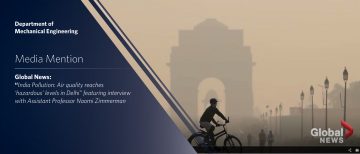
Media Mention: Global News interviews Dr. Zimmerman on hazardous Delhi air quality
Global News interviewed Mechanical Engineering faculty member Dr. Naomi Zimmerman about early November’s hazardous air quality in Delhi, and air pollutant PM 2.5.

Media Mention: Globe & Mail discusses Emissions from Trucking Industry with Dr. Walter Merida
“Since 2007, we’ve seen an almost 5-per-cent decrease in carbon dioxide emissions from passenger cars, but emissions from transport trucks have actually increased by nearly 14 per cent,” says Walter Merida, director of the Clean Energy Research Centre at the University of British Columbia. “That’s because Canada is a trading nation and a lot of our economy depends […]
2019 Summer Research Recap
The 2019 Summer Terms featured a number of noteworthy research-related achievements in the Department of Mechanical Engineering. New Canada Research Chairs The department received the addition of two new Canada Research Chairs (CRC): Xiaoliang Jin CRC in Advanced Manufacturing, Tier 2 Naomi Zimmerman CRC in Sustainability, Tier 2 The Canada Research Chairs Program designed Tier […]

Energy Reduction in Mechanical Pulping
Collaboration Case Study: Energy Reduction in Mechanical Pulping Overview The Advanced Fibre Processing Lab is collaborating with fourteen pulp and paper industry partners and NSERC CRD to develop a 5-year, $4 million program to reduce total pulp and paper energy consumption by at least 20%. High energy costs and strong competition have forced many pulp […]

Next-Generation HDPI in Diesel Engines
Collaboration Case Study: Next-Generation HDPI in Diesel Engines Overview Westport Innovation Inc. is collaborating with the Clean Energy Research Centre to improve Westport’s unique High Pressure Direct Injection (HDPI) system for diesel engines. Internal combustion engines are the primary system used for industrial transportation and power generation. The significant North American Natural Gas reserves present […]
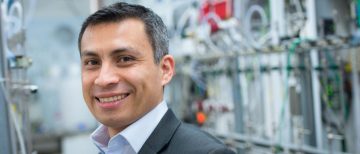
Walter Merida Interviewed About the Future of Hydrogen Fuel-Cell Cars
Walter Merida, MECH professor, Director of the Clean Energy Research Centre (CERC) and Interim Associate Dean of Research and Industrial Partnerships was interviewed by the Globe and Mail about the future of hydrogen fuel-cell cars. Read the full article here.
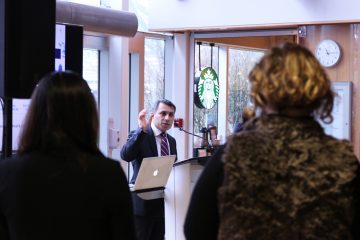
Walter Mérida discusses how high-tech data could speed transit buses, save fuel and time
Walter Merida, Director of the UBC Clean Energy Research Centre, and MECH prof was interviewed by the Vancouver Sun about the future of transit. He said next-generation electric and hydrogen fuel-cell vehicles should be the next step for transit agencies to improve efficiency and sustainability, and utilizing the “Internet of Things” should also be a priority. […]