Pete Ostafichuk honoured with the national Wighton Fellowship

Pete Ostafichuk honoured with the national Wighton Fellowship

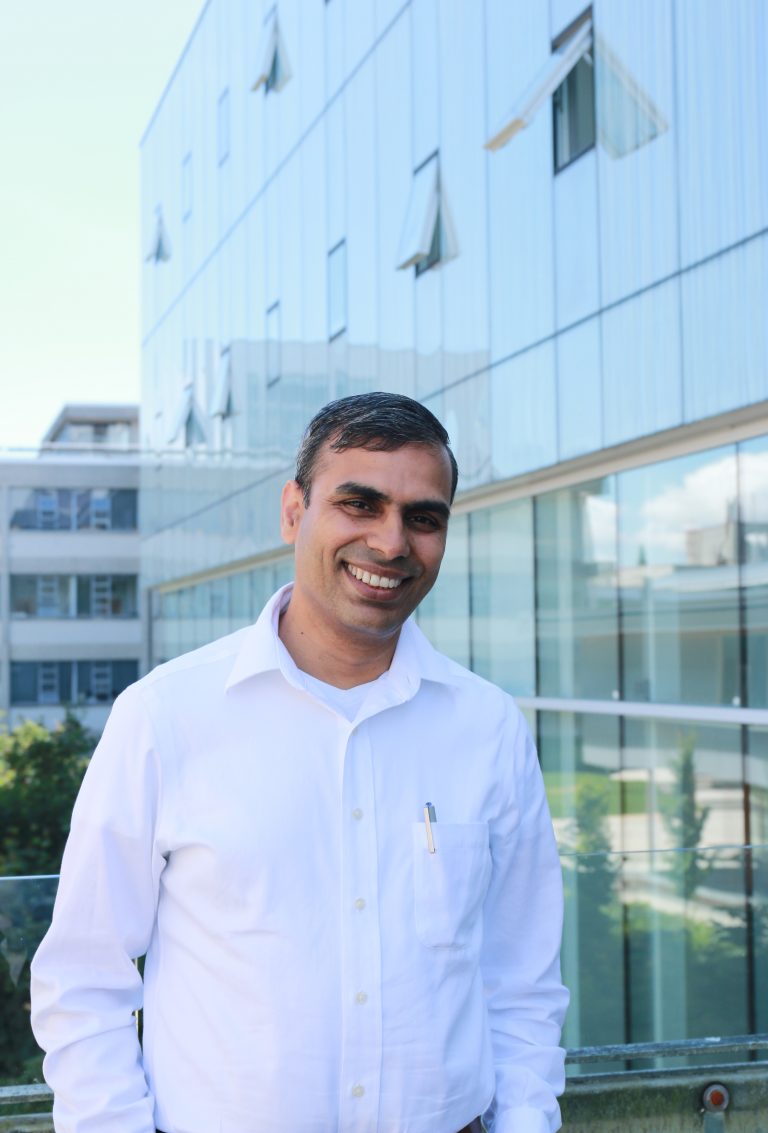
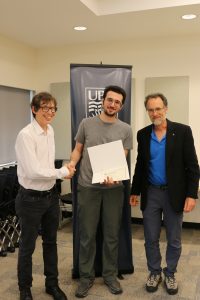
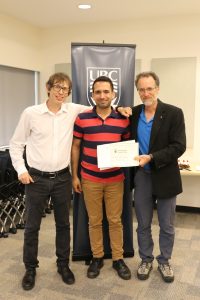
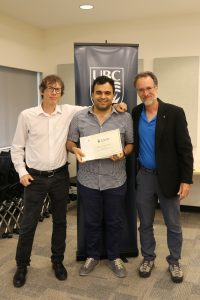
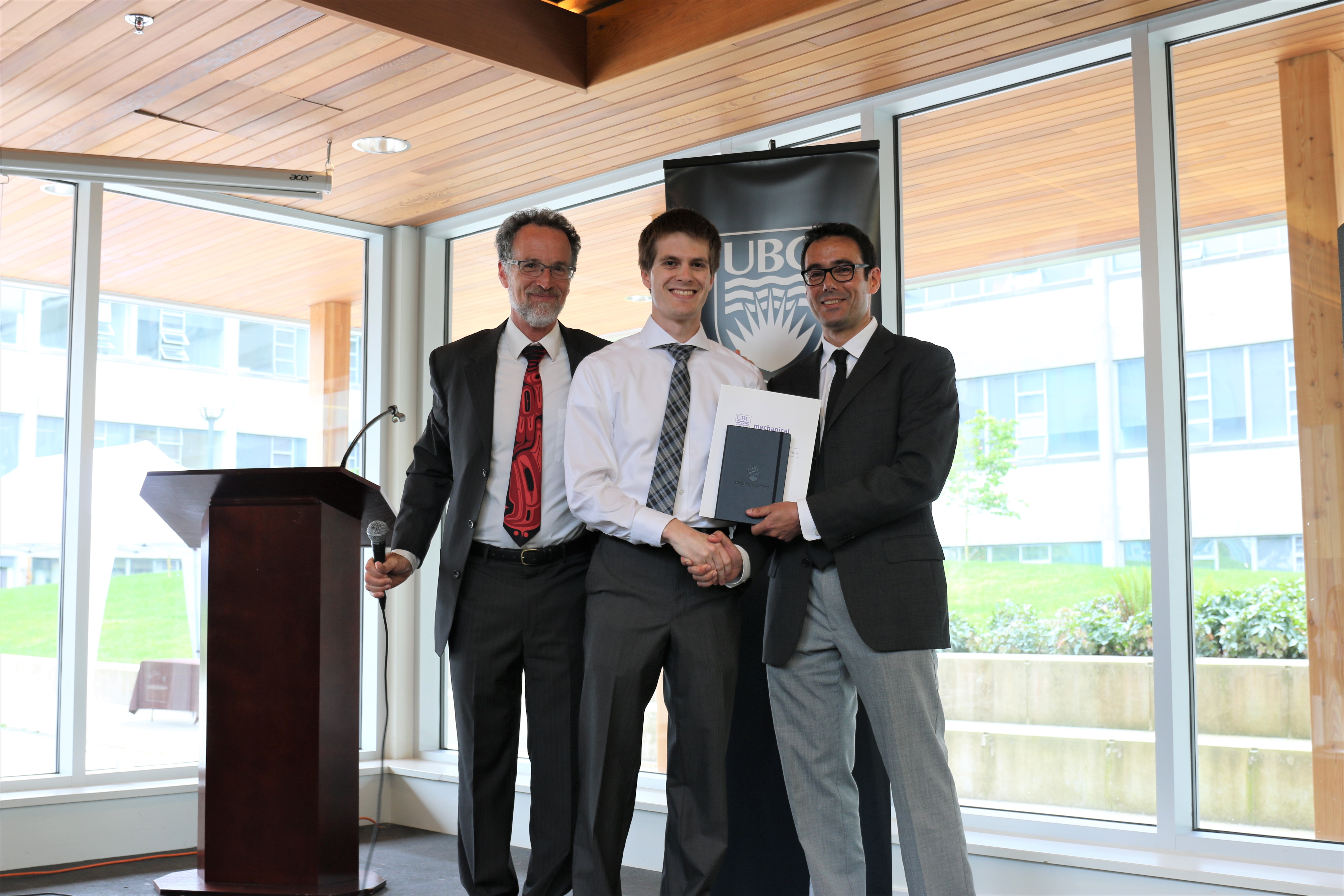
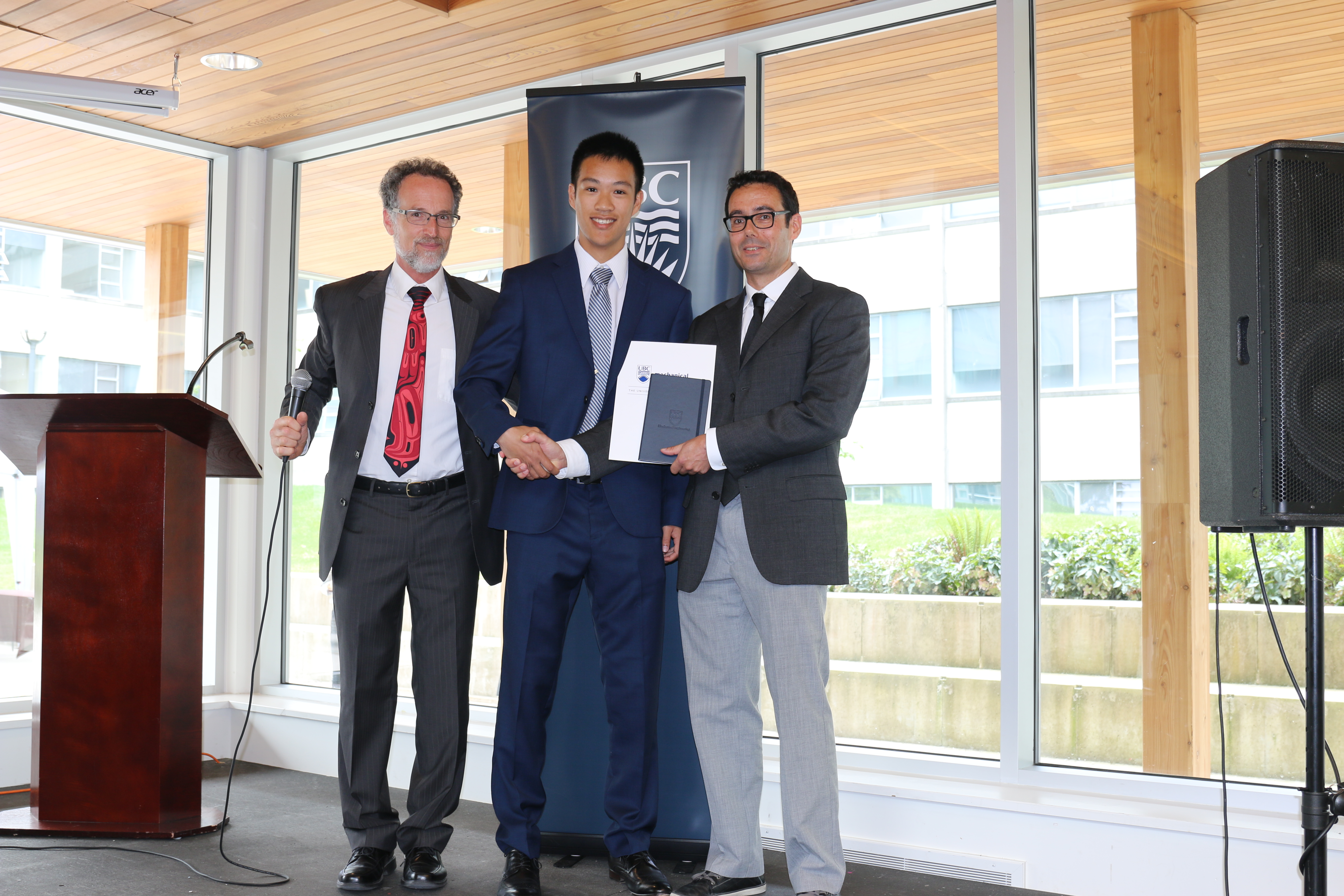
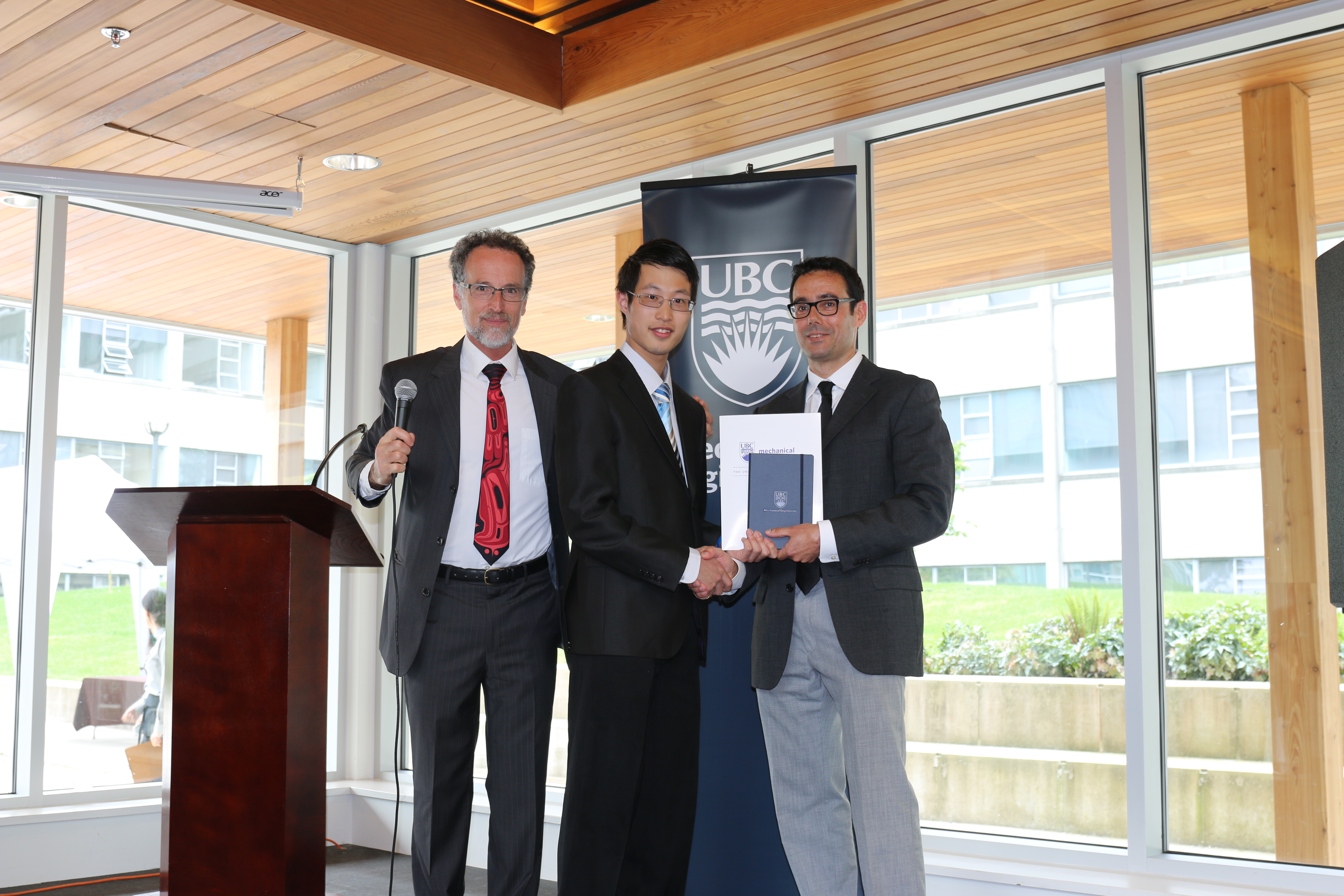
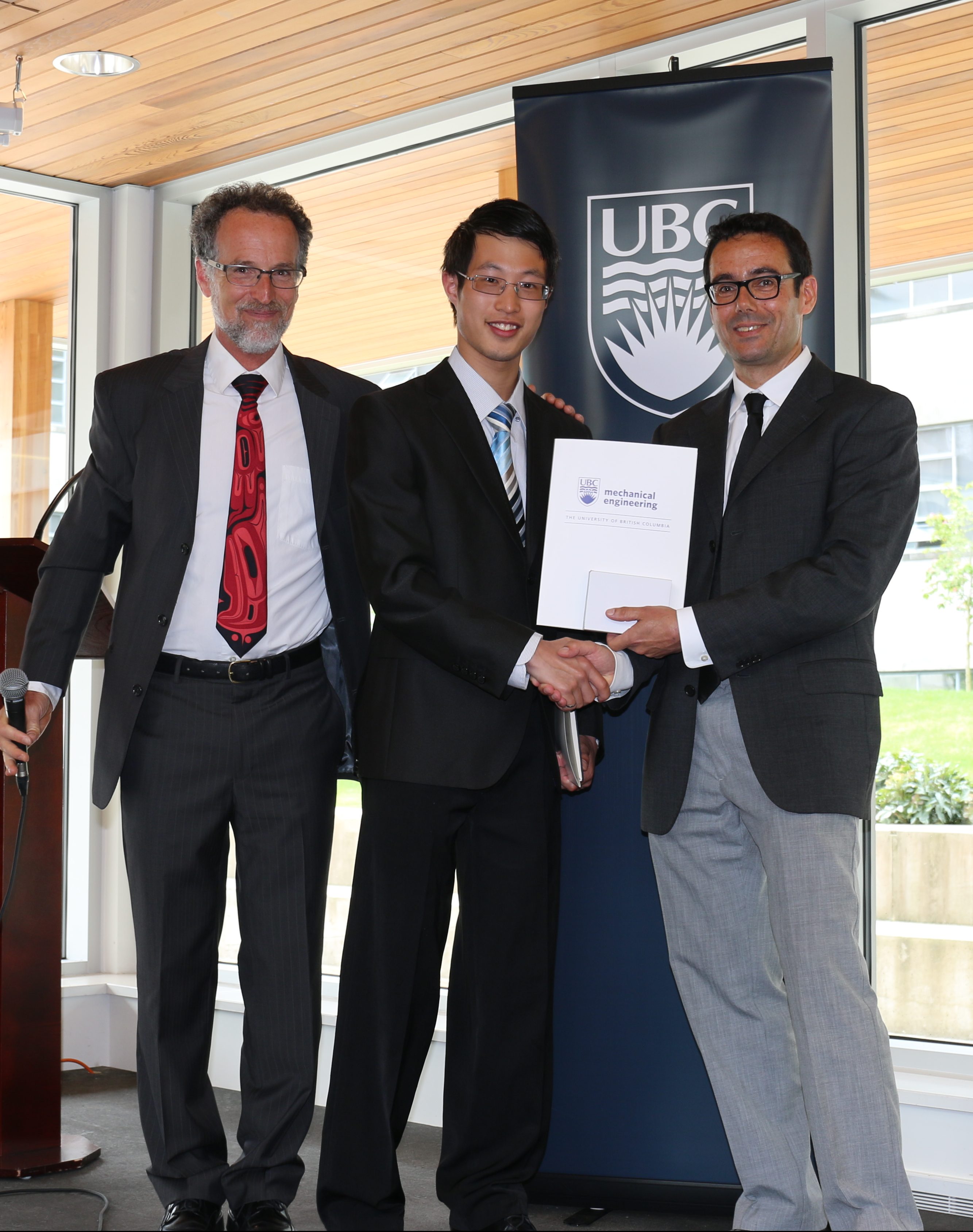
On June 6, 2017, Dr. Peter Ostafichuk was named the 32nd Wighton Fellow. Awarded by the the National Council of Deans of Engineering and Applied Science (NCDEAS) and the Sandford Fleming Foundation, the Wighton Fellowship is a national award to recognize excellence in the development and teaching of laboratory-based courses in Canadian undergraduate engineering programs. Ostafichuk was nominated for this award due to his significant contributions in the development of the MECH 2 program, his continual involvement in the First Year Engineering program, and his innovative teaching style.

Since the award’s inception in 1987, Ostafichuk is the second UBC faculty member to receive this prestigious fellowship, with the first being the Department’s very own Professor Jon Mikkelsen, who received the award in 2005 in recognition of his work in redeveloping Mechanical Engineering’s laboratory program.

In addition to the honour of receiving this award, Ostafichuk will also receive a $3000 stipend which is funded by a generous endowment from the late Dr. J. L. Wighton, formerly a professor of Engineering, whose commitment to the laboratory component of engineering curricula led to the formation of the Fellowship in 1986 in cooperation with the NCDEAS and the Sandford Fleming Foundation.

Congratulations Peter!

Dr. Anasavarapu Srikantha Phani wins 2016/2017 Killam Teaching Prize

On May 31, 2017, Associate Professor Dr. Anasavarapu Srikantha Phani was announced as a recipient of the 2016-2017 UBC Killam Teaching Prize for the Faculty of Applied Science (Vancouver), which is the university’s highest award for teaching. Presented at the May 2017 convocation by Hugh Brock, Associate Provost, Brock had the following to say about Phani:

“Behind the calm and thoughtful lecture style of Dr. Srikantha Phani lies a passion and enthusiasm for sharing his knowledge with students. An expert in vibrations and solid mechanics, he develops complex engineering concepts using a combination of traditional lecture methods, in-class and video demonstrations, and labs. He succeeds in making difficult materials understandable to students with a wide range of abilities. Both in and out of the classroom, Dr. Phani is known for his genuine interest in student success and his willingness to take the time to help students develop their critical thinking skills and their ability to apply new concepts to real world problems. He is a caring and supportive educator, well respected by students and colleagues alike.”

Specializing in Dynamics and Applied Mechanics, Phani teaches many high level MECH courses, from MECH 463 (Mechanical Vibrations) and MECH 507 (Analytical Dynamics). As of 2010, he also holds the position of Tier 2 Canada Research Chair in Dynamics of Lattice Material and Devices.

The Killam Teaching Prizes are awarded annually, from the Killam Endowment Fund, to faculty nominated by students, colleagues, and alumni in recognition of excellence in teaching. Along with Phani, Dr. Terje Haukaas, from the Department of Civil Engineering and the NAME program, will also receive an award for the Faculty of Applied Science.

Please join us in congratulating Phani on this outstanding achievement!

James Olson becomes the Faculty of Applied Science interim dean

Effective June 5, 2017, Applied Science has welcomed our very own James Olson, PEng as the interim dean for the Faculty of Applied Science.

He follows Marc Parlange, who joined the Faculty as dean in 2013 and is now provost of Monash University in Melbourne, Australia.

A professor of mechanical engineering at UBC, Olson has held many leadership roles at the university, including director of the Pulp and Paper Centre, interim director of the Institute for Computing, Information and Cognitive Systems and associate dean of research and industry partnerships at the Faculty of Applied Science.

“The past few years have seen many positive changes in UBC Applied Science — more diversity, stronger academic and industry connections, even better student opportunities for study, research and entrepreneurship — and I intend to keep us on this upward trajectory,” says Olson.

After graduating from UBC with a BASc in engineering physics and a PhD in chemical engineering, Olson spent nearly a decade as research engineer at the Pulp and Paper Research Institute of Canada. He returned to UBC as an assistant professor in 1999, where he has conducted award-winning research in the field of forest products.

Recently named a Fellow of the Canadian Academy of Engineers, Olson is the recipient of numerous other honours, including two NSERC Synergy Awards, two NSERC Discovery Accelerator Supplements, an APEGBC Meritorious Achievement Award, the BC Lieutenant Governor’s Innovation Award and nine best paper awards.

“There is nothing more rewarding than solving challenging real-world problems to improve people’s lives,” says Olson. “This is what the applied sciences are all about, and I look forward to working with students, staff and faculty members to continue to make this happen.”


Original story and photo credit: APSC News

MEGA Appreciation Tea

Thank you to all of the Mechanical Engineering Graduate Association (MEGA) Executive members who joined us at the MEGA Appreciation Tea! We appreciate all the hard work you do to support our graduate students.


For more information about MEGA, please visit their website here: http://mega.mech.ubc.ca/

Congratulations May 2017 Grads!

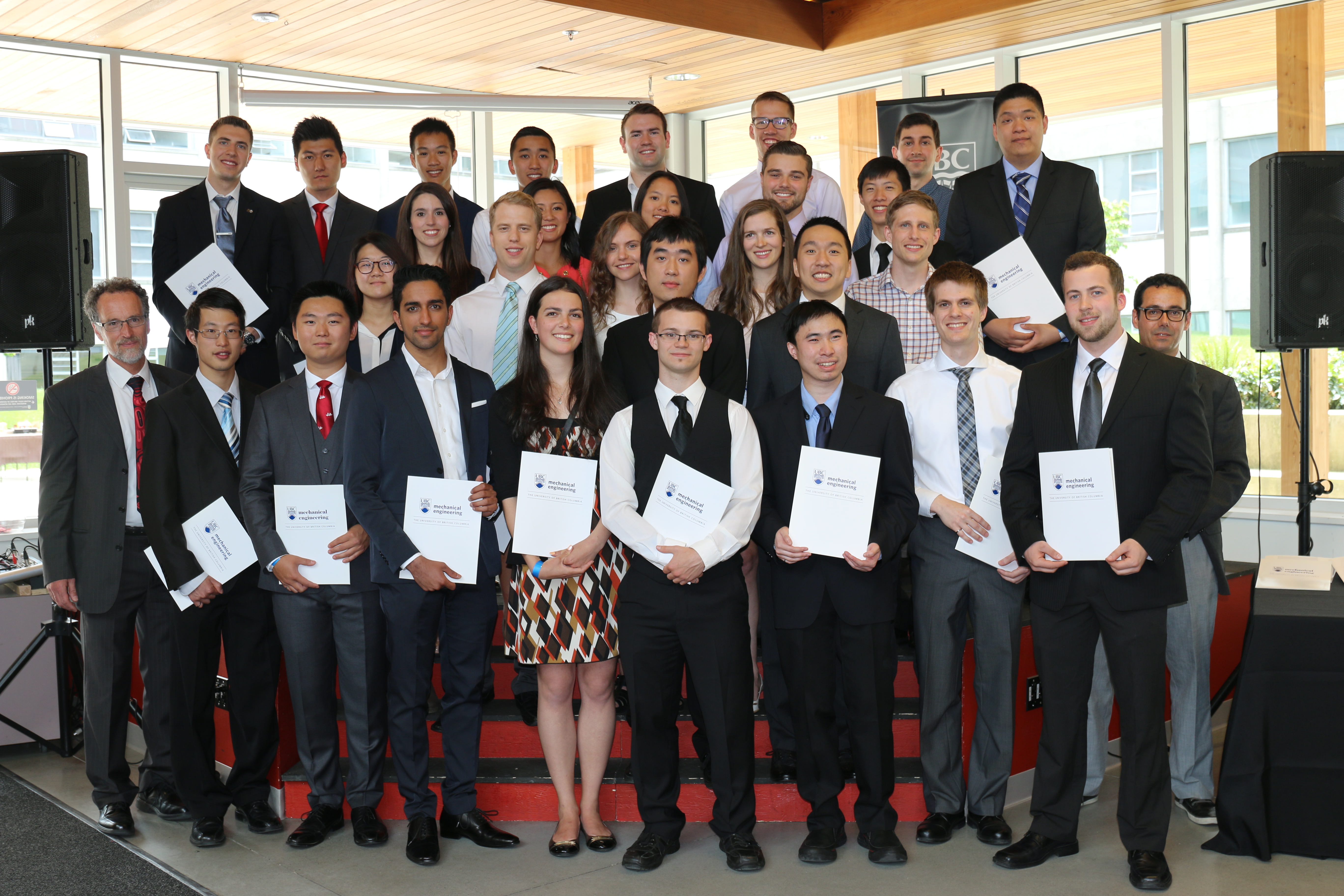
Please join us in congratulating our most recent graduating class, who crossed the stage on May 31, 2017!

A special congratulations also goes out to all of our award winners, who have made outstanding academic and/or leadership achievements during the course of their program. See below for this year’s winners.

Letson Prizes

Awarded to the Head of the graduating class for each Option.

Awarded to:

  • Rory Smith (General Option)
  • Jonathan Marr (Biomedical Option)
  • Jian Ng (Mechatronics Option)
  • Sonia Taylor (Thermofluids Option)


Canadian Society for Mechanical Engineering Gold Medal

For overall outstanding achievement.

Awarded to: Alexander Michalatos


APEG Achievement Award

Given to one graduating student in each Department who shows great promise.

Awarded to: Jian Ng


Capstone Design Award

Recognizes outstanding accomplishments in Engineering Design.

Awarded to: Team #9, for the Design of a TUC RUC fuel membrane tester, sponsored by Greenlight Innovation.

Team members:

  • Ryan Bredin (pictured below)
  • Theo Fan
  • Devon Leroux
  • Connor Robertson
  • Xueke (Roxie) Yu

“The team designed and fabricated a bench-top precision testing apparatus to simultaneously and autonomously conduct thickness, resistance and permeability measurements of a fuel cell gas diffusion layer membrane under calibrated mechanical loading conditions. The deliverables included the design and fabrication of the apparatus, electronic controls for the testing protocols and a complete software package and graphic user interface to conduct the testing procedure and collect the data.” (Dr. Mike van der Loos)


Outstanding Student Leader Award

Recognizes the top undergraduate student who has demonstrated strong leadership skills and made outstanding contributions to the Department and Faculty, specifically in the realms of student affairs, design competition teams, professional association student chapters, and other related activities.

Awarded to: Ashley Mak

“This year, Ashley served as the President of Club Mech. She has demonstrated exemplary leadership skills in organizing events for students and making sure the MECH student body was well represented.

Throughout her degree, she has continually given her time and effort to contribute to the betterment of our Department, the University, and the student engineering community as a whole.” (Dr. Sheldon Green)


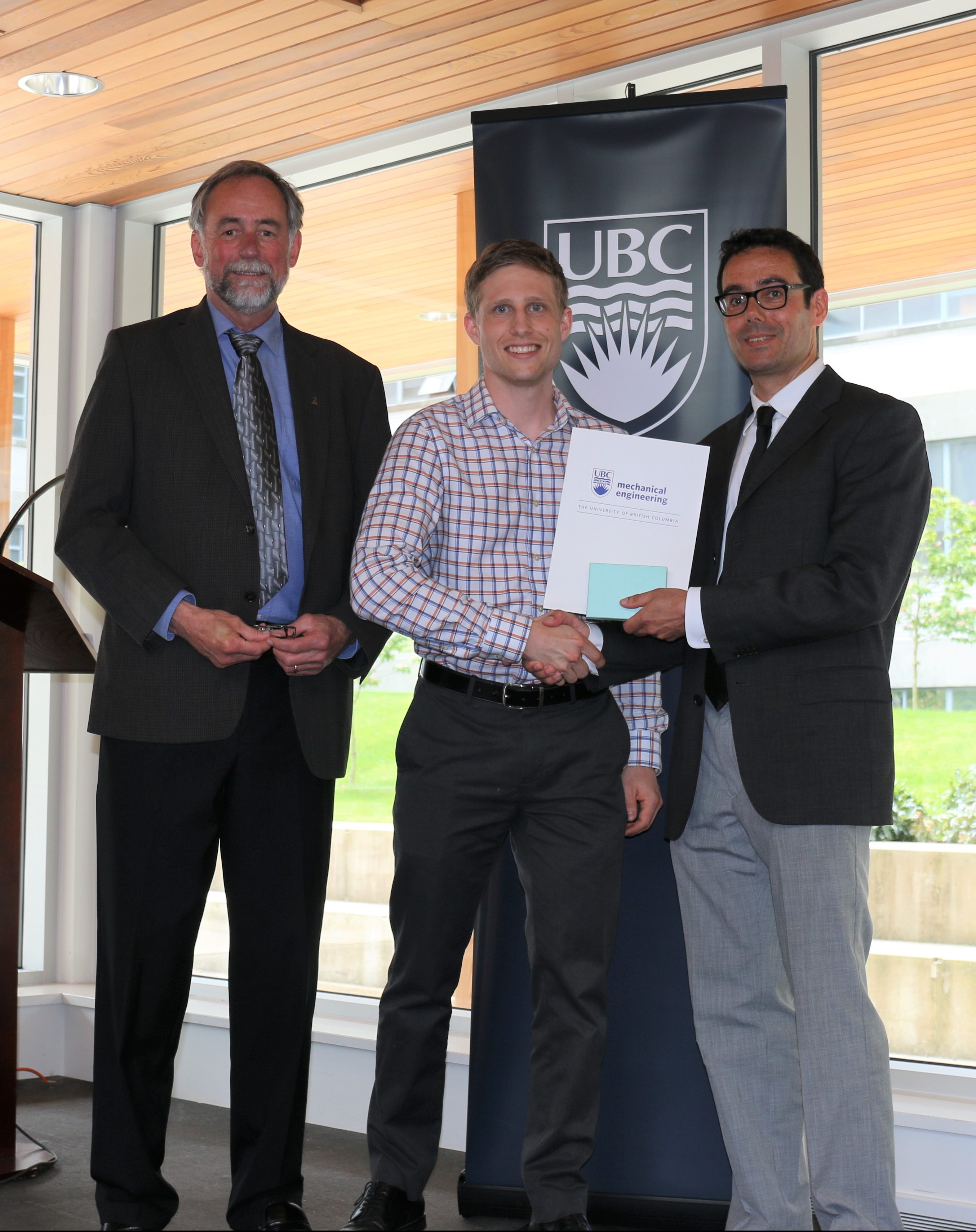
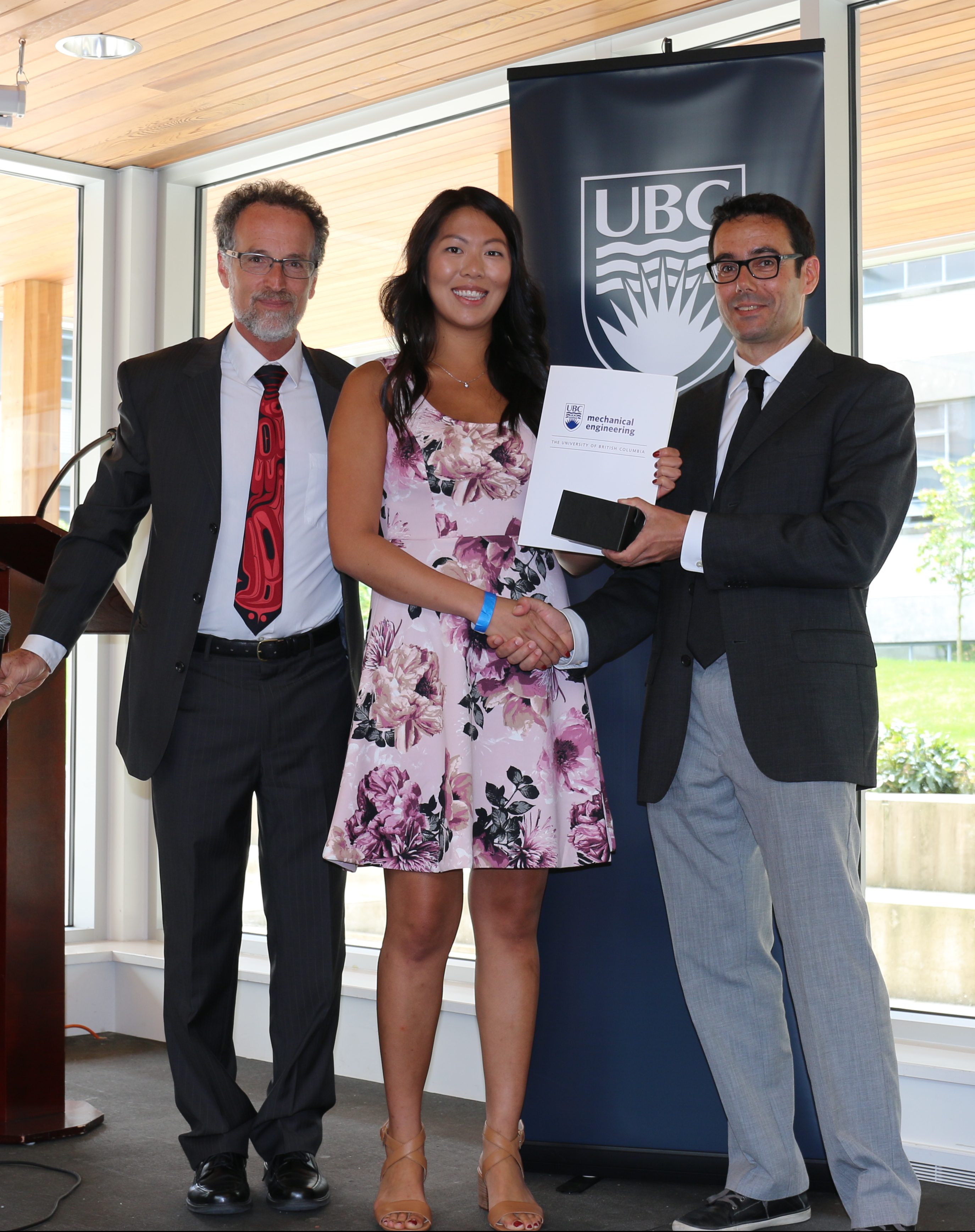
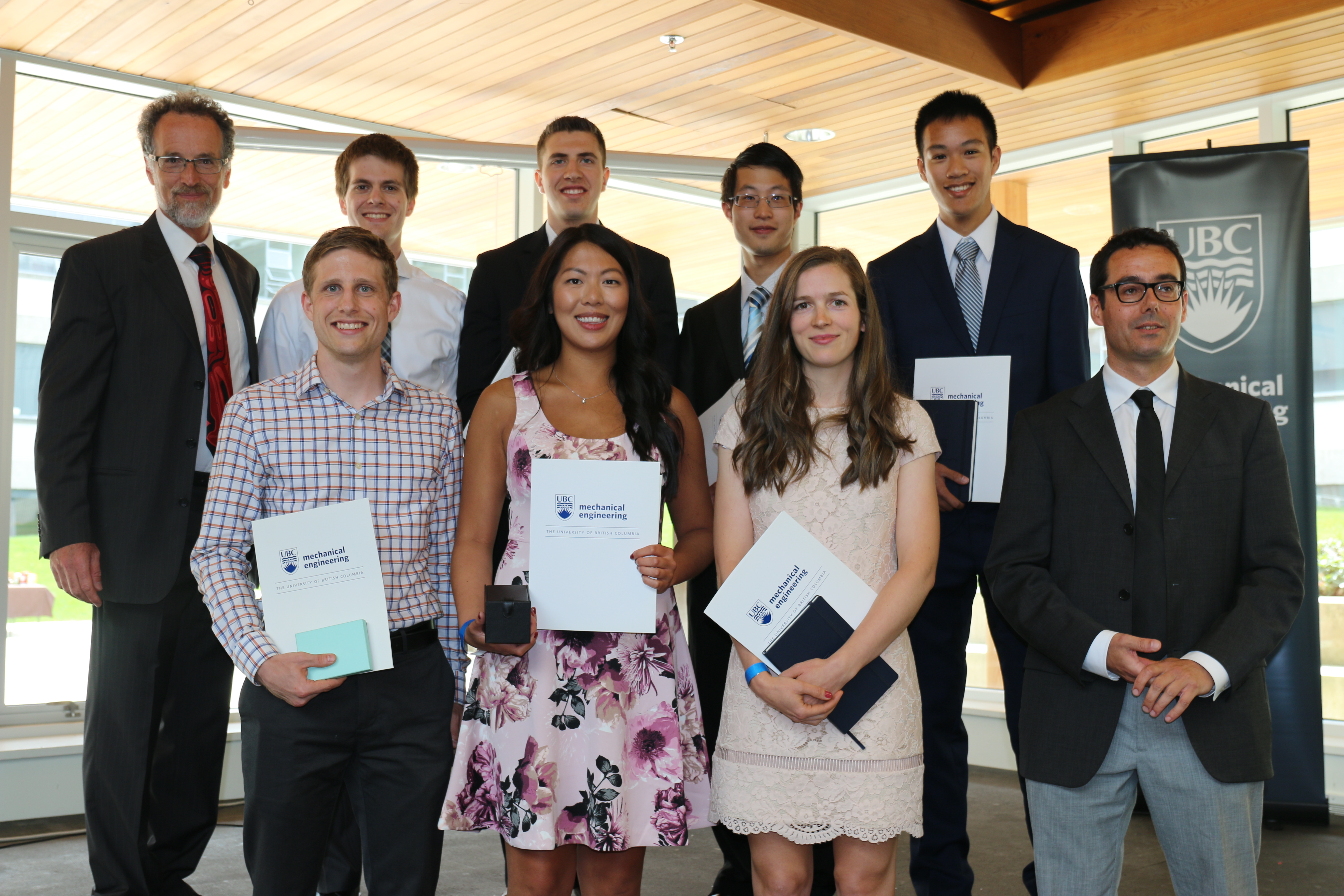
The winners of the Letson Prizes, CSME Gold Medal, APEG Achievement Award, Capstone Design Award, and Outstanding Student Leader Award.


Degree with Distinction

For students who achieved an overall first-class average in second- through fourth-year courses.

Awarded to (in alphabetical order):


Students who received a Degree with Distinction.

Sheldon Green, Gwynn Elfring, and Benny Nimmervoll receive the 2017 Dean’s Award for Excellence in Service

From left: Dean Marc Parlange, Dean’s Award for Excellence in Service recipients Maged Senbel, Mary Jansepar, Stuart Mackenzie, Gwynn Elfring, Sheldon Green (not pictured: Benny Nimmervoll)

On May 16, 2017, at the annual Applied Science Appreciation Barbeque Department Head Sheldon Green, Assistant Professor Gwynn Elfring, and Mechatronics Technician Benny Nimmervoll received the Dean’s Award for Excellence in Service. Created to recognize the work that faculty members engage in outside of their regular teaching responsibilities, and the exceptional work and dedication staff show to the Faculty. this award is only presented to three faculty and staff members each year. Green, Elfring, and Nimmervoll were also all presented with a $2,000 award and a personalized plaque for recognition of their excellence in service, leadership and administration, and their contributions to the Faculty.

Dean Parlange also had the following kind words to say:*

Sheldon Green

Having completed 10 years as Department Head, Sheldon’s name has been put forward by his fellow Heads and colleagues as a tribute to the outstanding nature of his service contributions to both to his department and to the Faculty of Applied Science. He approaches all tasks in a principled manner, and is known for rigorous governance practices and sound fiscal management. His style of leadership is highly consultative, humble and effective, ensuring an equal voice for all in matters that affect the department. He serves as a champion for students, aboriginal outreach, and diversity, and places a high priority on ensuring that all of his faculty colleagues succeed in their careers.

Gwynn Elfring

As a relatively new member of the Department, Gwynn has already made a marked impact. When he sees an issue or a problem to be solved, he jumps right in to address it. For example, he identified a need for a fluid mechanics seminar series, and took it upon himself to organize it, including obtaining funding, lobbying his colleagues for support, and finally coordinating it. The Distinguished Seminar Series in Fluid Mechanics has become a major success, attracting internationally renowned speakers from such universities as Stanford, MIT and Harvard.

Benny Nimmervoll

With caring and ingenuity combined with a passion for continuous improvement, Mech technician and machinist Benny Nimmervoll has been a driver of change. For 23 years, he has not only provided exceptional machine shop support for teaching and research, but also streamlined and improved services by envisioning and implementing new on line systems. His commitment to education is evident: mentoring in courses like Mech 491 and his successful co-application for a TLEF grant to develop instructional machining videos. Benny cares about people and diversity, and his patience, good humour, and personalized approach makes the machine shop a welcoming place for all.

To read more about the award and the other recipients, see the story in APSC News: Applied Science celebrates exemplary staff and faculty at annual appreciate barbeque


*quotes and photo taken from APSC News


UBC AeroDesign Places 3rd at SAE Aero Design East

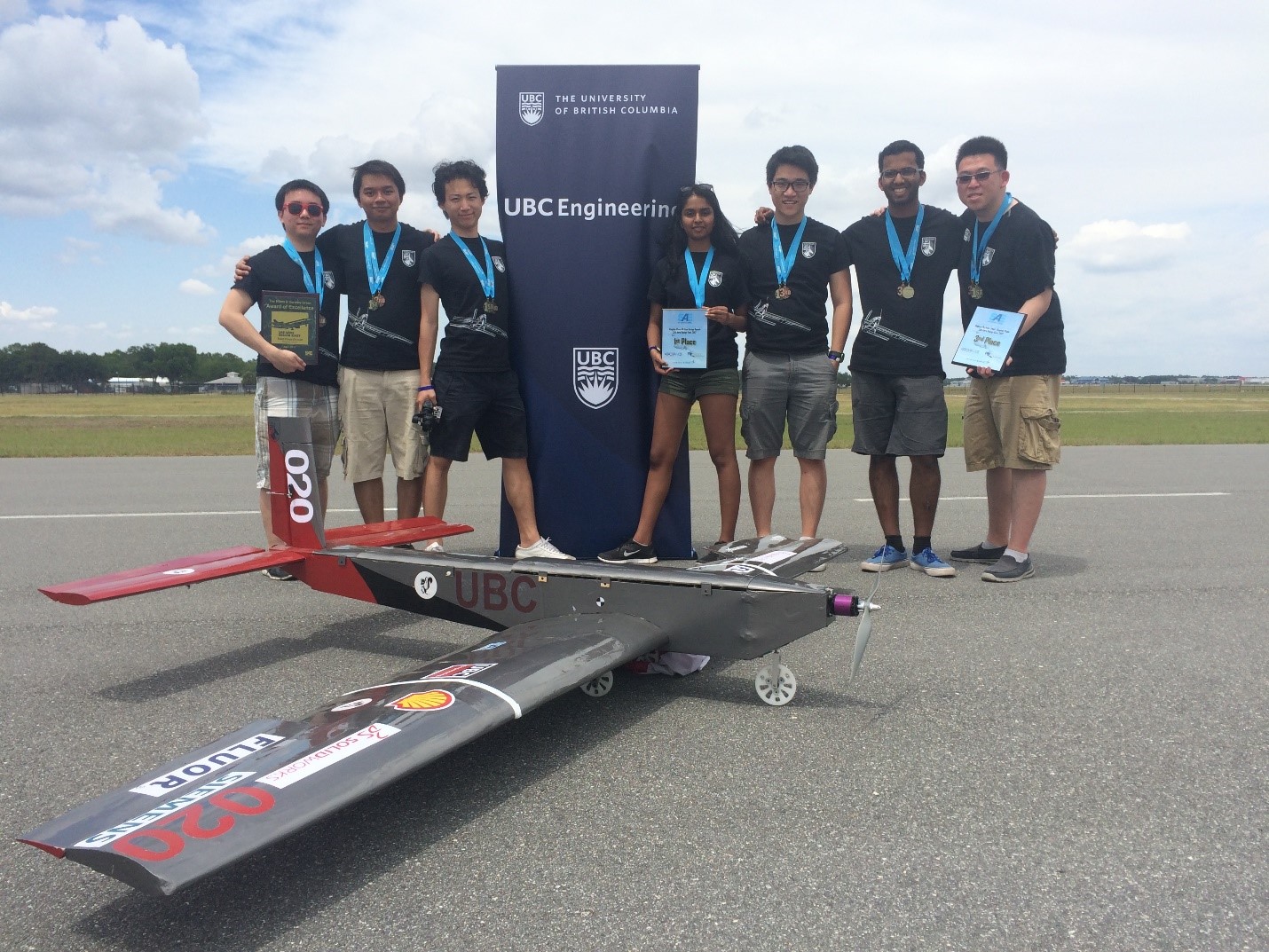
Figure 1: Team members at the 2017 competition from left to right: Angus Wong (3rd Year MECH), Ichsan Ausri (3rd Year MECH), Zhaowei Huo (2nd Year ELEC), Arthi Muniyappan (Team Captain, 3rd Year MECH), Nicholas Hui (3rd Year MECH), Adil Saldanha (2nd Year ELEC), and Walter Teo (3rd Year MECH).

Figure 1: Team members at the 2017 competition from left to right: Angus Wong (3rd Year MECH), Ichsan Ausri (3rd Year MECH), Zhaowei Huo (2nd Year ELEC), Arthi Muniyappan (Team Captain, 3rd Year MECH), Nicholas Hui (3rd Year MECH), Adil Saldanha (2nd Year ELEC), and Walter Teo (3rd Year MECH).


Congratulations to the UBC AeroDesign team, who recently received third place at the 2017 SAE Aero Design East competition. Held in Lakeland, Florida, the SAE Aero Design competition tests undergraduate and graduate students with real-life engineering challenges, and requires teams to produce creative design solutions to these challenges. This year, 40 teams competed in this intense three day competition.

In addition to receiving the Elliot and Dorothy Green Award of Excellence for third place overall, the team also brought home first place for their design report, and third place in the highest payload lifted category.

The team of 33 students designed and built from scratch a competitive, purpose-built aircraft ready to transport passengers and luggage. Their narrow-body design seats 40 passengers (represented by tennis balls) and completed every flight round with only 1000W of power.

The UBC AeroDesign Team would like to thank Dr. Gwynn Elfring (Team Faculty Advisor) for his support, and Mr. John Siu (Team Pilot) for flying the plane at the competition. The team is also grateful for sponsorship from: UBC Mechanical Engineering, UBC Engineering Professional Activities Fund, Walter H. Gage Memorial Fund, Siemens, SOLIDWORKS, Sierra Wireless, Shell Canada, T2 Systems, Fluor Canada, MISUMI USA, and APEGBC.


Walter Mérida named Wall Scholar

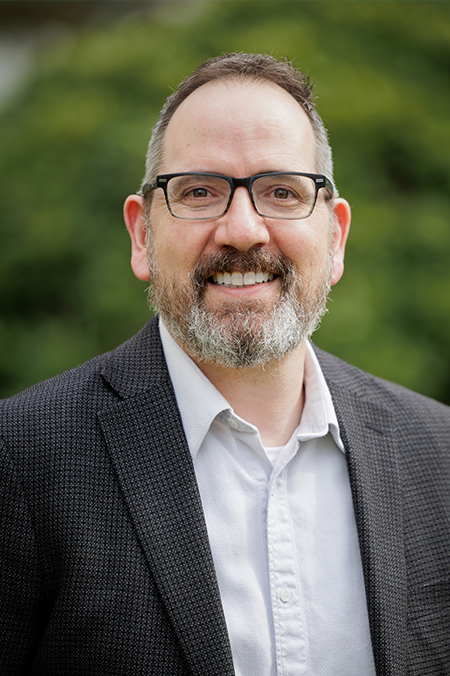
Walter Mérida

Walter Mérida, PEng, a UBC mechanical engineering professor, has received a Wall Scholar Research Award from the Peter Wall Institute for Advanced Studies.

Recognizing UBC faculty members with exceptional research records and a demonstrated interest in interdisiplinary research, the award provides recipients, who may belong to any academic discipline, a one-year residency at the Wall Institute and $20,000 for research-related expenses. The objective of the award is to create “a dynamic and diverse intellectual community at the Institute.”

One of ten Wall Scholars selected this year, Mérida will begin his residency on August 1. His award citation reads:

Walter has worked on clean energy solutions for more than twenty years. In 1996-1999, he managed projects between Ballard Power Systems, British Gas Investments Canada, University of Victoria and Simon Fraser University.

He was a founding Board member for General Hydrogen Corporation (1999-2000) and he joined UBC in 2002. Walter was a visiting professor at the Fraunhofer Institute for Solar Energy Systems (2010), and he worked at the National Research Council from 2002 to 2011. He leads the Transportation Futures Group at the Pacific Institute for Climate Solutions, and he has developed industry-led consortia on clean energy technologies.

Walter serves on the Board of Directors for the Canadian Urban Transit Research and Innovation Consortium, the Canadian Hydrogen and Fuel Cell Association, and the Institute for Breakthrough Energy Technologies. In 2016, he was recognized as one of Canada’s Clean50. Walter is currently the director of UBC’s Clean Energy Research Centre.

During his term at the Peter Wall Institute, Walter will explore the ethical, economic and social dimensions for advanced transportation systems in a low-carbon economy. As vehicles and road infrastructure become integrated, many new business models become possible. Civil infrastructure assets (buildings, parkades) may become active participants in city-scale energy management schemes. Intelligent recharging schedules (and membership programs) can improve the utilisation of electric vehicles. Electric or zero emission car-share programs and bi-directional vehicle recharging will change the current ownership and financing models.


Original Story by APSC News.

Mauricio Ponga’s article selected as one of MSMSE’s “Highlights of 2016”

An article published by MECH Professor Mauricio Ponga was recently selected by the Modelling and Simulation in Materials Science and Engineering (MSMSE) journal in their exclusive “Highlights of 2016” collection. The Highlights collection includes the top articles published in MSMSE each year, selected on the basis of referee or Editorial Board endorsements, novelty, scientific impact and broadness of appeal.

In his article, “Dynamic behavior of nano-voids in magnesium under hydrostatic tensile stress,” Ponga investigates the mechanisms responsible for nano-void growth in single crystal magnesium under dynamic hydrostatic tensile stress.

Those interested in Modelling and Simulation of Materials can find Ponga and other highlighted articles here. Articles included in the Highlights collection will be free to access for all readers throughout 2017, so we encourage you to enjoy this free resource!

Innovative software converts Wi-Fi data into energy savings

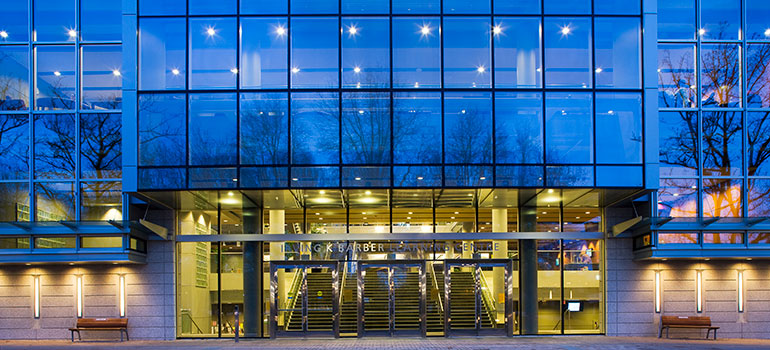
The Irving K. Barber Learning Centre library. Credit: Lara Swimmer Photography

The Irving K. Barber Learning Centre library. Credit: Lara Swimmer Photography

For the first time in Canada, a University of British Columbia engineer has found a way to use Wi-Fi to determine the number of building occupants and adjust ventilation accordingly – saving energy without sacrificing air quality.

“Every day, thousands of smartphones, laptops and tablets connect to the Wi-Fi network at UBC,” said Stefan Storey, who holds a master’s in mechanical engineering and a PhD in resource management and environmental studies from UBC. “Our Bridge software anonymously counts the number of wireless devices in each room and passes the counts on to UBC’s building control system, which then adjusts airflow through the relevant building, practically in real time.”

Based on an occupant count, the control system can vary the airflow to a room, ramping it up for a busy lecture, or down during the times in between.

UBC worked with Storey to test the technology at the Irving K. Barber Learning Centre library, which serves thousands of students and staff. They found that it reduced energy consumption by five per cent over a period of 12 months, while maintaining air quality and occupant comfort.

David Woodson, UBC’s managing director, energy and water services, says the new system could help the university reduce greenhouse gas emissions by hundreds of tonnes and save as much as $100,000 in energy costs per year for core campus buildings. UBC is installing the technology in 10 more buildings over the next several months.

“This software uses the existing Wi-Fi network to provide good air quality and thermal comfort, so costs are lower and disruption is less compared to other occupancy detection technologies,” said Woodson, adding that UBC’s Wi-Fi users are completely protected as all private information is removed in strict compliance with Canadian privacy legislation.

For Storey, the project highlights the potential benefits of using Wi-Fi systems to create “smart buildings.” He co-founded the company Sensible Building Science around his innovation, with support from entrepreneurship@UBC, which helps UBC student, alumni, faculty and staff entrepreneurs as they take their ventures from idea to market. His patent-pending innovation is now being installed at campuses across B.C.apsc.

“As far as I know, this is the first technology in North America to use Wi-Fi access points as a sensor network and as a way to communicate with building control systems. As we continue to develop it, we can help many more buildings become much more responsive to occupant needs,” said Storey.

Lou Corpuz-Bosshart
UBC Public Affairs
604.822.2048
604.999.0473
lou.bosshart@ubc.ca
Original story: APSC News