New model highlights importance of virus size in SARS-CoV-2 replication

New model highlights importance of virus size in SARS-CoV-2 replication

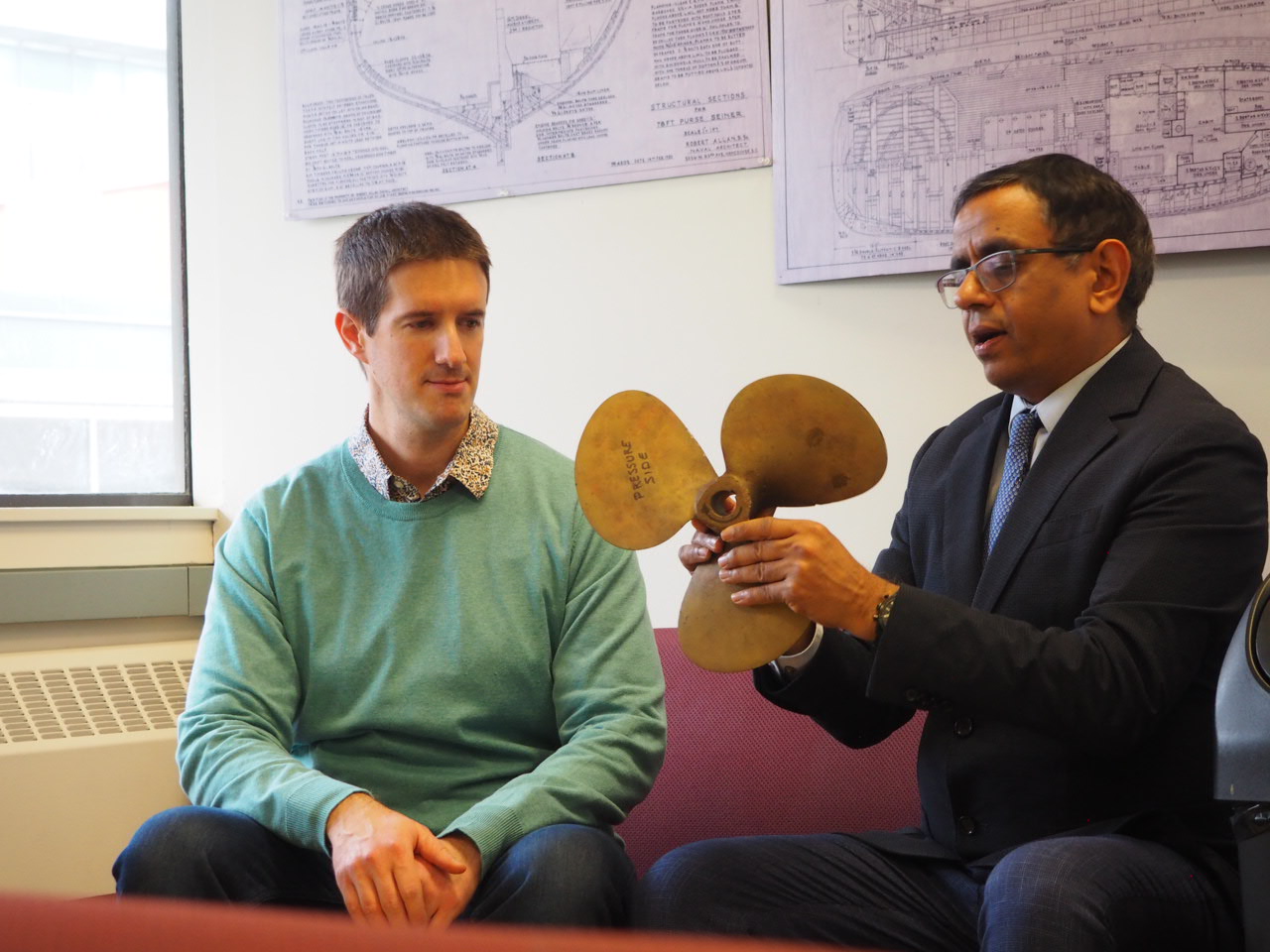
EurekAlert, Physics.org: As the world recovers from the economic and social impacts of COVID-19, researchers like Mattia Bacca continue to study SARS-CoV-2 and related viruses to be better prepared for future pandemics.

Dr. Bacca, an assistant professor at the University of British Columbia, used his particular expertise—micromechanics, the study of extremely tiny structures—to develop a simple mechanical model of how viruses replicate inside a cell.

Setting a new course: It’s never too late to make a career change

Originally appeared on  APSC News.


“Ships are complex systems of systems that require naval architects to use creativity, innovation, and leadership to deliver vessels built to operate in the future maritime environment.”

Yves-Etienne Landry, Rising Stars Fall 2022

Yves-Etienne Landry

I was born and raised in Jonquière, Québec and decided to join the Canadian Armed Forces straight out of high school to serve as a Naval Combat Systems Engineer. I received a B.Eng. in Mechanical Engineering from the Royal Military College of Canada and a Master’s Certificate in Project Management from Carleton University’s Sprott School of Business. My naval career has spanned over nineteen years, serving as the Project Integration Engineer for the Protected Military Satellite Communications project, the Weapons Engineer for the Canadian Surface Combatant project, Head of the Combat Systems Engineering Department onboard the HMCS Montréal, and most recently as the Project Security Manager and Information Manager for the Canadian Surface Combatant Project.

Why did you choose to go into your field of study at UBC?

The Royal Canadian Navy undertook a large scale, high-priority initiative of revitalising its fleet through the National Shipbuilding Strategy. I was at a turning point in my career and was seeking a new challenge. I wanted to work at the forefront of this initiative by contributing to the successful delivery of ships for Canada. The M.Eng in Naval Architecture and Marine Engineering program at UBC provides the necessary foundation to work in the field immediately upon graduation. What appealed to me most was the diversity of hands-on experience of the various professors, who imparted both technical knowledge as well as professional and life experience in their teaching.

What has made your time at UBC memorable?

People would have to be at the top of the list! The industry experience of each professor allowed them to provide real-world examples and exercises that would benefit everyone when joining the industry. They consistently strived to pique our professional curiosity, challenged us to achieve our full potential and were always there to support us during difficult times. Our cohort had a wide array of knowledge and experience, which made every lecture more interesting since we were always encouraged to share stories with fellow classmates. Coming from a naval background, I particularly enjoyed learning more about the practices and operations in the commercial side. Besides people, I think another aspect of the program that should be mentioned is the ship design project. It gave us a chance to navigate the design process as a team while providing the opportunity to consolidate the knowledge we gained during our studies. As a finale, the student design celebration was a unique event where we were able to showcase our design in front of representatives from local shipyards and naval design firms.

What have you learned that is most valuable?

Other than all the knowledge acquired during the M. Eng program, I would say that I learned a lot about time management and the need for strong work ethic. The one-year program is intensive with five courses per term; therefore there are many assignments, quizzes, mid-terms, and exams to contend with. With two young children at home, I had to carefully plan my week to ensure I could get everything done. This allowed me to gain a better appreciation for how long an assignment would take. Learning to be more effective at estimating your time to complete a task is a valuable skill in any industry.

What advice would you give a student entering your degree program?

Naval Architecture and Marine Engineering is a vast field of study. I have learned so much this past year and I often feel like I barely scratched the surface. Be curious, be engaged, ask questions and have fun!

What are some contributions you would like to make when it comes to the future of work in your field?

Following the completion of my program, I returned to work at the Department of National Defence for the Director General Maritime Equipment Program Management as a sub-section head responsible for Ship Stability and Hydrodynamics. I look forward to the many challenges associated with managing the stability and weight growth as the Halifax-class ships approach the end of their design life. The International Marine Design Conference (IMDC 2022) provided a great opportunity to expand my knowledge in new aspects of naval architecture and marine engineering. I am particularly interested in the integration of digital twin technology as a collaborative tool to facilitate decision making during the design, construction and operation of a given vessel.

CBC highlights alumnus David Scott, who built Canada’s first privately-made hovercraft

CBC: B.C. man reunites with the Space Age hovercraft he built in the 1960s.  David Scott made the hovercraft — now at a Vancouver museum — in his basement over two years in the mid-1960s. They occupied visions of a utopian future during the 1960s, when the Space Age was in its heyday. But while hovercrafts — which can travel over land, water, and other surfaces — never quite took off, one man’s own realization of that vision was exhibited to his loved ones on Friday. That was when David Scott of Gabriola Island, B.C., showed off his creation to his extended family for the first time.

MECH Staff win Dean’s Award for Excellence in Impact & Inclusive Leadership

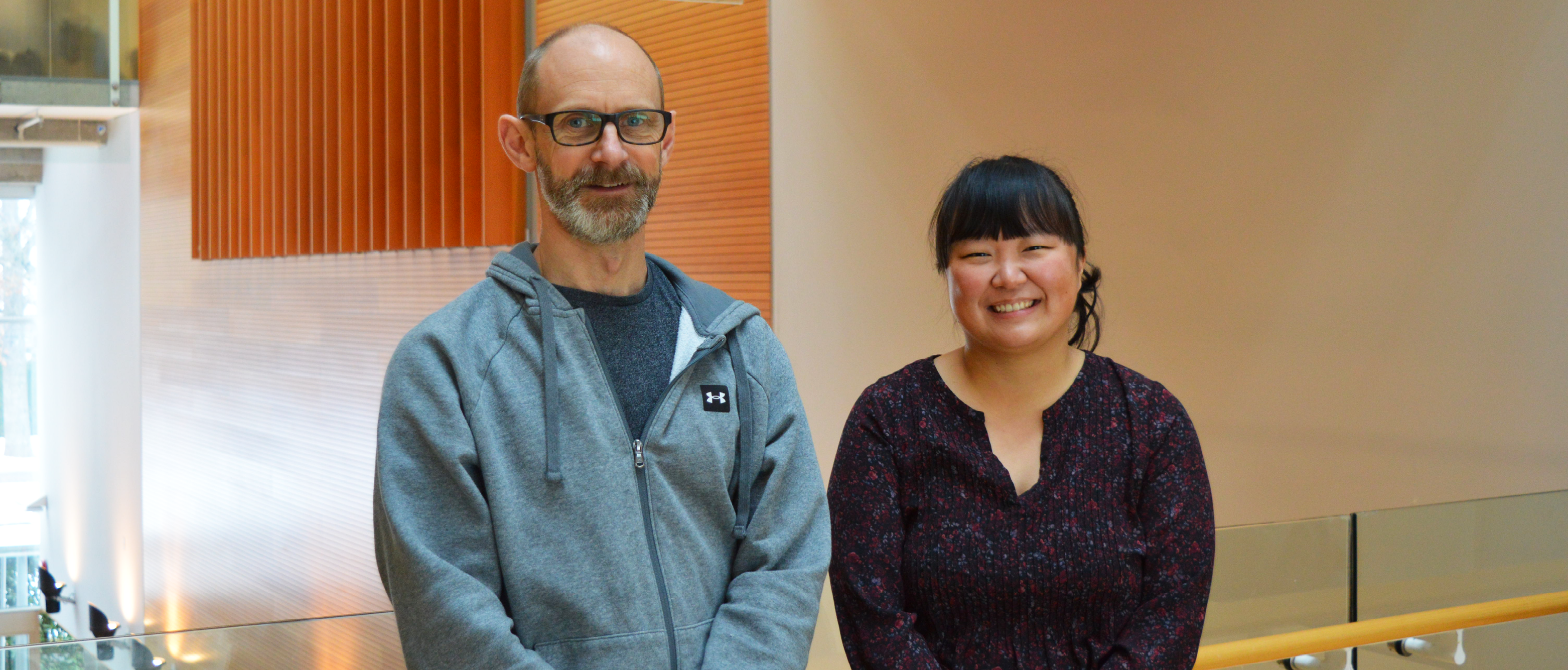
Mechanical Engineering staff members Heather Gerrits and Erik Wilson have each been recognized for their contributions to the Faculty of Applied Science with a 2022 Staff Dean’s Award for Excellence. Gerrits is the Manager of the department’s Student Services Office and has received the award for Inclusive Leadership while Wilson, an Engineering Technician with our Machine Shop, was given the award for Excellence in Impact.
“Erik Wilson makes an impact with a bang! And a thud! And with amazing design and implementation of technology to create exceptional laboratory experiences for our students: hands-on, practical and effective.”

Erik Wilson has made a tangible impact on students’ hands-on, experiential learning at UBC Mechanical Engineering. His many contributions include providing dedicated set up for student lab work; reconfiguring their learning environment in MECH’s modular Undergraduate Lab so students can gain different design, prototyping and testing experiences; finding innovative solutions to help the department support student design teams, and technical mentorship for students.  His insights and problem solving have continuously improved our laboratory curriculum and he is an invaluable resource for Mechanical Engineering instructors, our facilities staff, and our student services team. This is the second time Erik Wilson has been recognized for his contributions to UBC; in 2018 he and colleagues Roland Genshorek, Bernhard Nimmervoll were awarded the President’s Staff Award by former UBC President Santa Ono.

“There are leaders who inspire with a vision and dream; leaders who encourage, nurture, and grow the people around them; leaders who help their team achieve big goals and create connections. And then there are leaders who do it all – Heather is one.”

Enhancing the student experience for over 10 years, Heather Gerrits leads the Mechanical Engineering Student Services team in assisting students throughout their journey at MECH – from prospective student to member of our alumni community.  Her team not only provides advising to current undergraduate and graduate students, as well as graduate admissions expertise, but also facilitates teaching by providing support to instructors and department leadership, as well as engaging the wider community through alumni events and research and student news. Her in-depth knowledge of UBC policies and resources and her dedication to engaging student feedback ensures decision-making in the department accounts for student needs. Gerrits has also championed EDI.I improvements to the MECH curriculum, and built connections with other units to cooperate in pursuing larger APSC inclusion goals. She provides an inclusive and supportive work environment for her team, encouraging them to cross-train, as well as pursue their own professional development.

Congratulations to Heather and Erik on this recognition of your outstanding work! Read about all the recipients of the 2022 Staff Dean’s Award for Excellence in the announcement by the Faculty of Applied Science.

Media Mention: Vancouver Sun talks to Dr. Walter Mérida on EV battery performance if stuck in the snow

VANCOUVER SUN: Electric-vehicle drivers need to be as prepared as other drivers to endure winter traffic delays, such as the chaos Tuesday night that left some commuters stranded on snowy Lower Mainland highways for up to 12 hours. However, they likely won’t have to worry about exhausting batteries while sitting idle in the snow, so long as they’ve kept their drive batteries charged, according to experts.

Congratulations to our November 2022 Graduates

Graduation cake

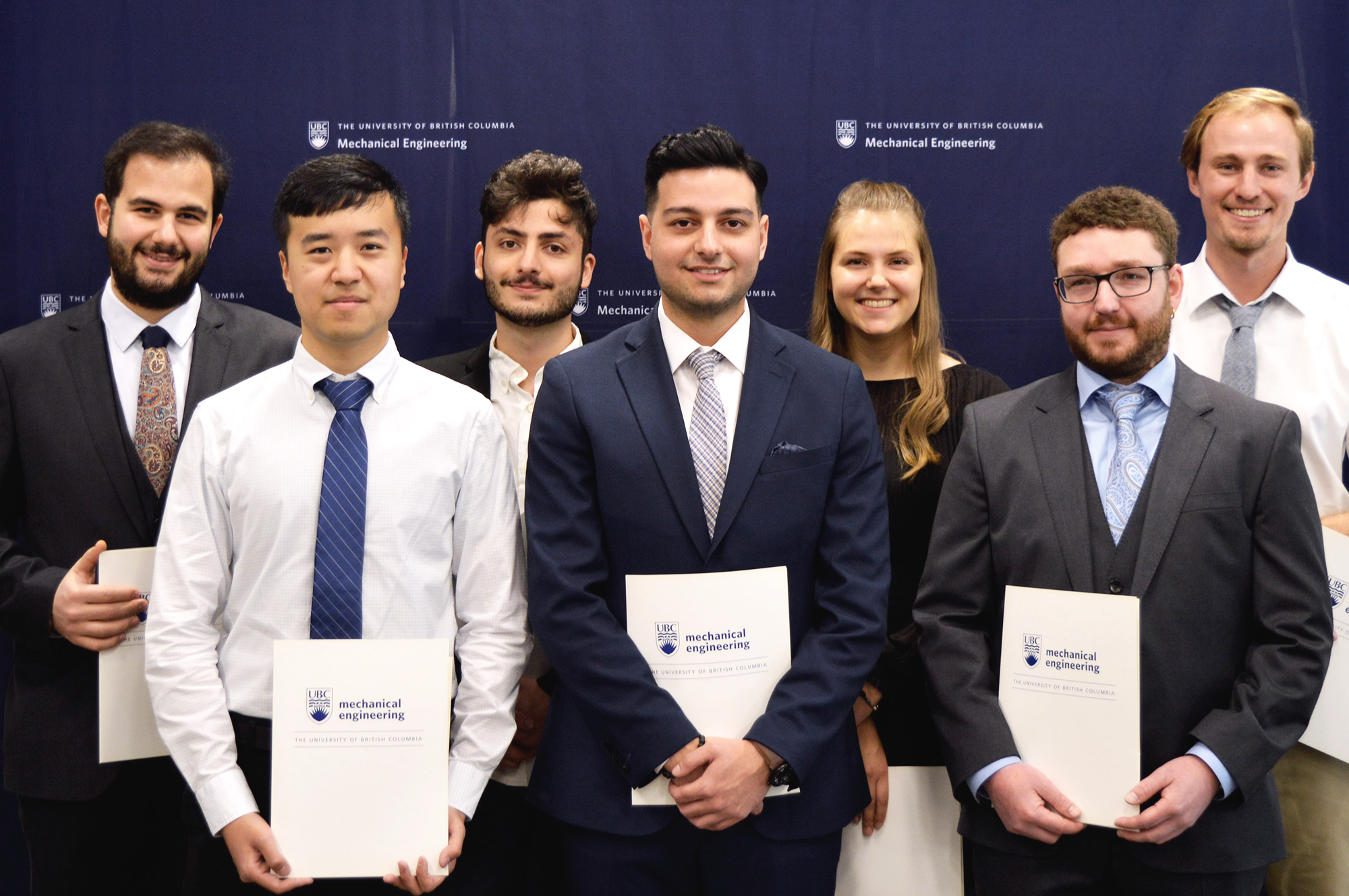
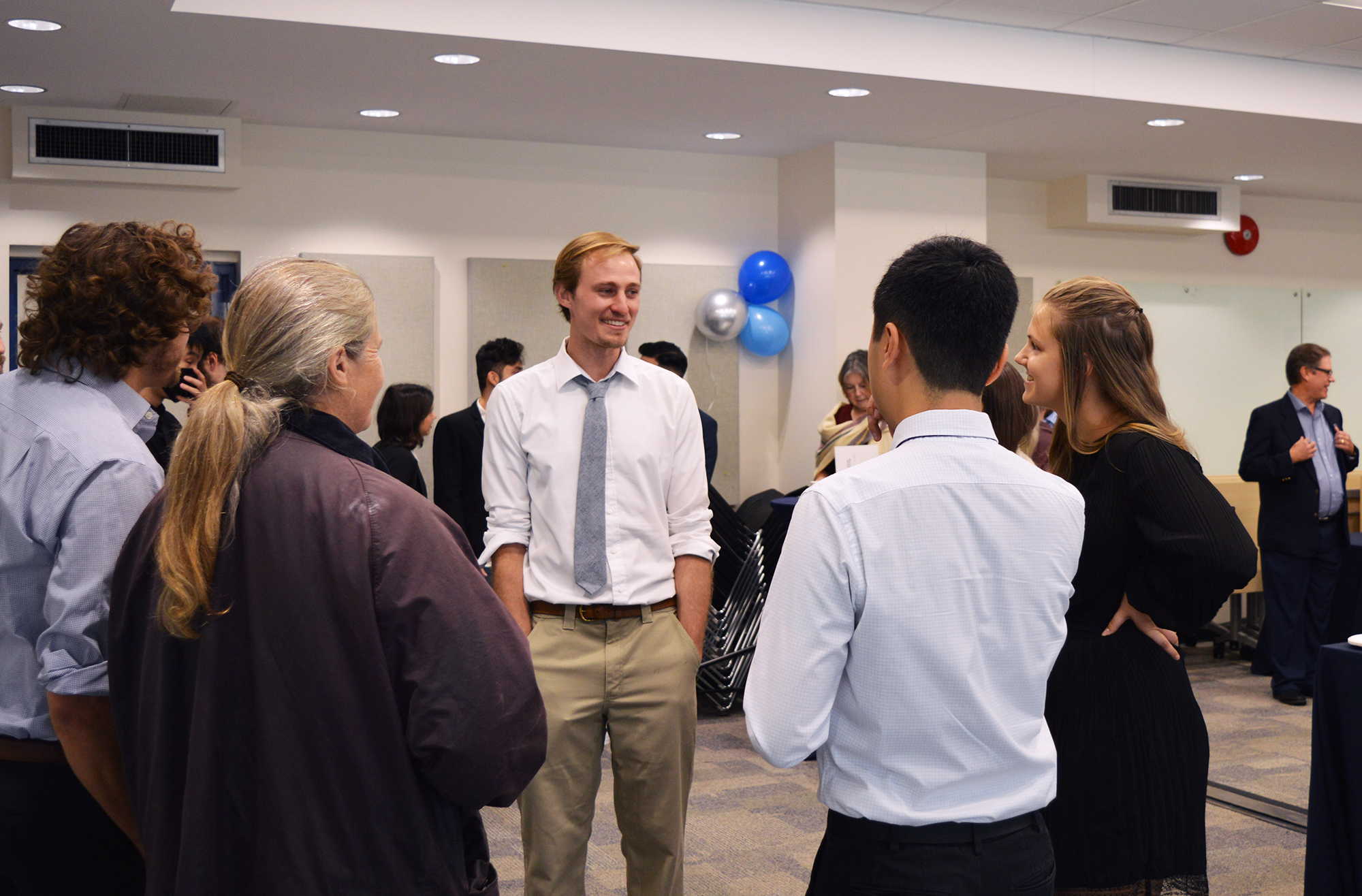
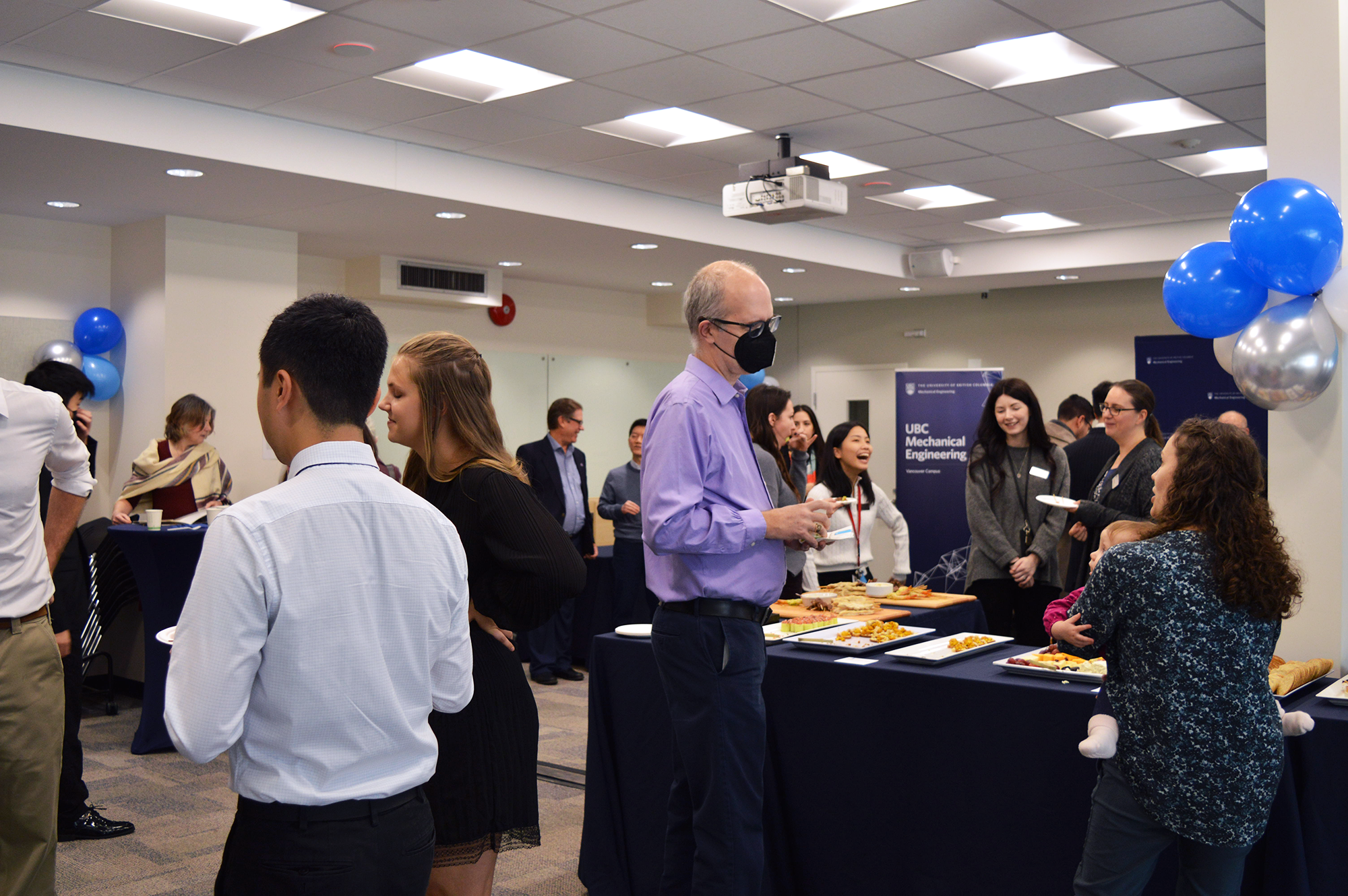
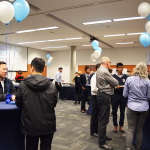
On November 24, the Department of Mechanical Engineering celebrated our students graduating in UBC’s November convocation with a reception and awards ceremony. Before graduands crossed the stage and to receive their degrees at the Chan Centre, they joined us one last time in CEME to celebrate with family, classmates, faculty and staff. While November graduation is a smaller cohort than the one in June, it is an important time to recognize the achievements of our graduate students, many of whom receive their degrees in November.

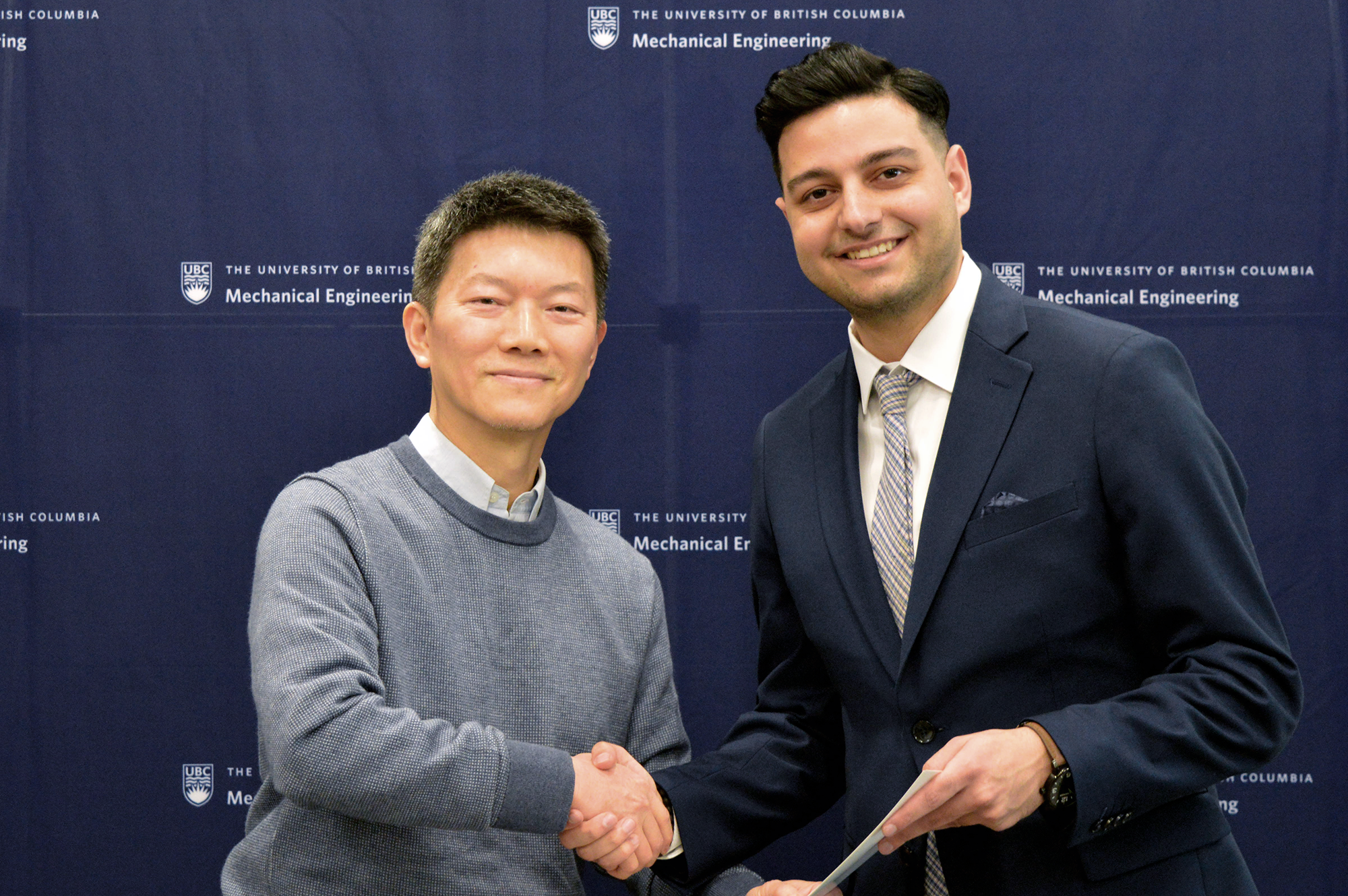
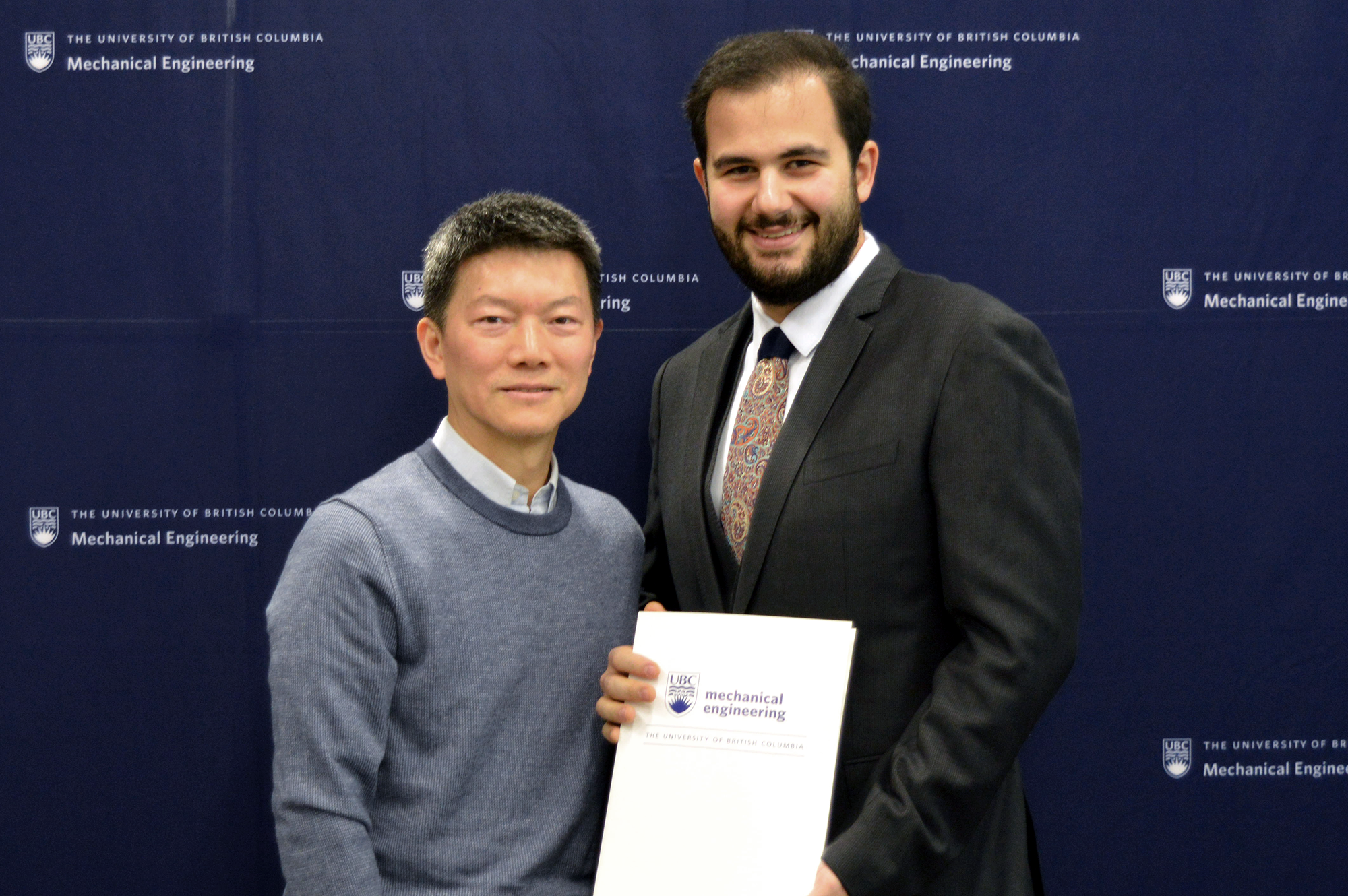
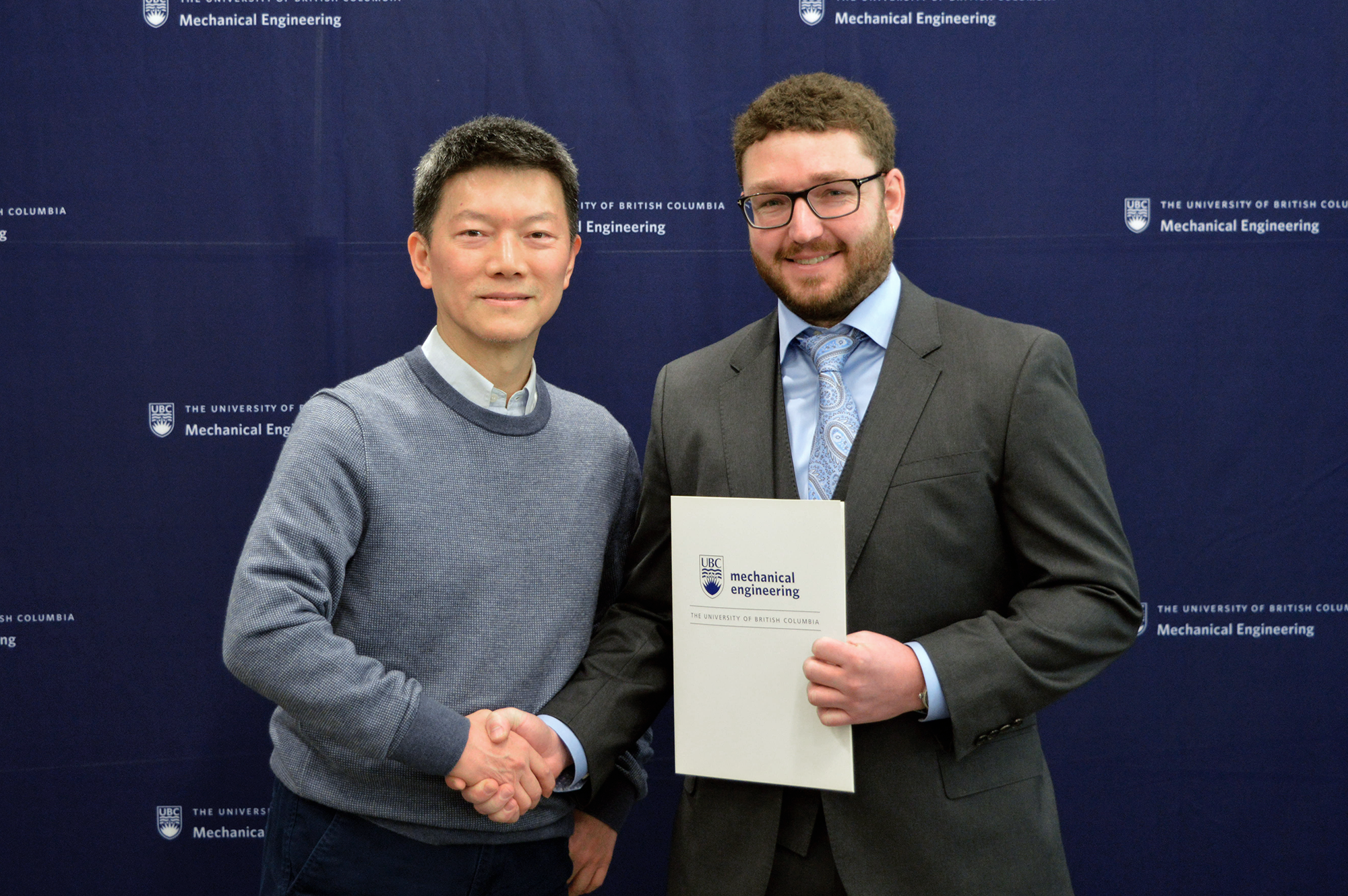
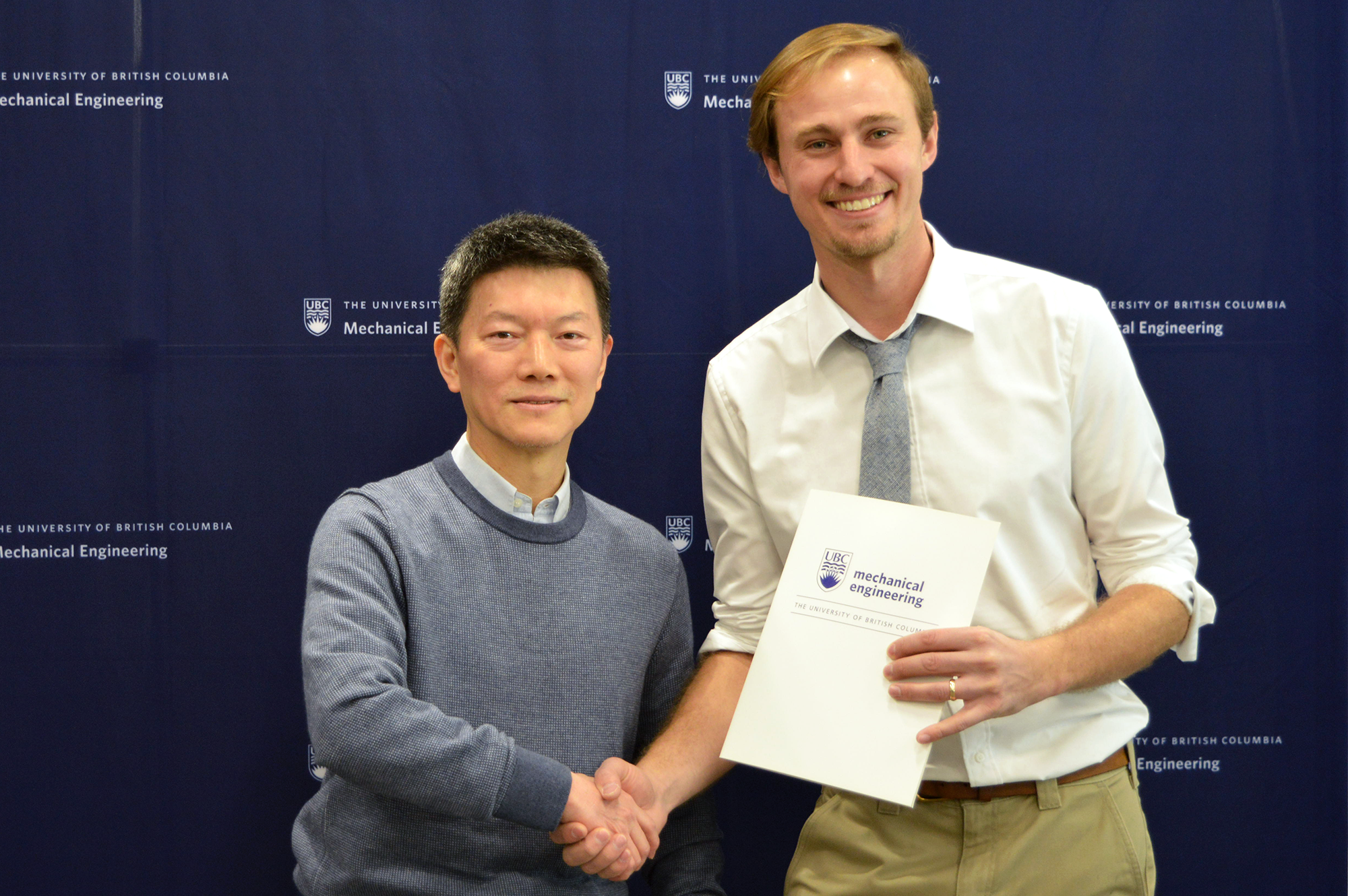
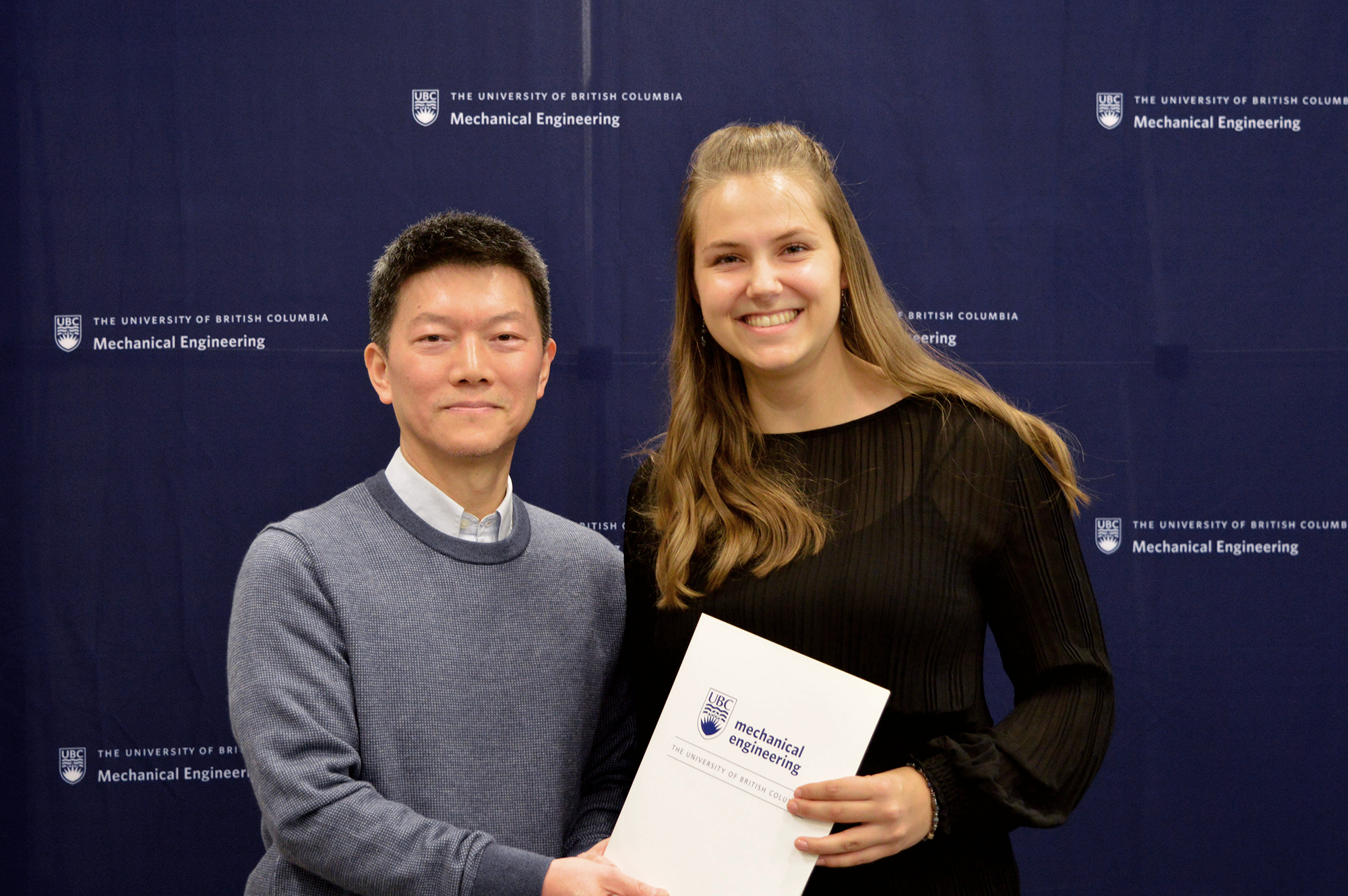
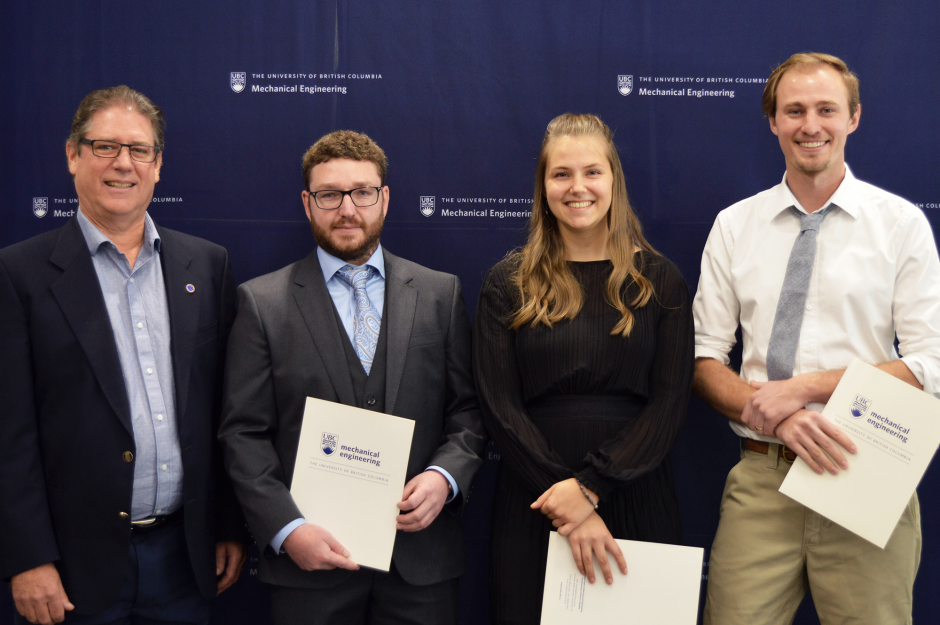
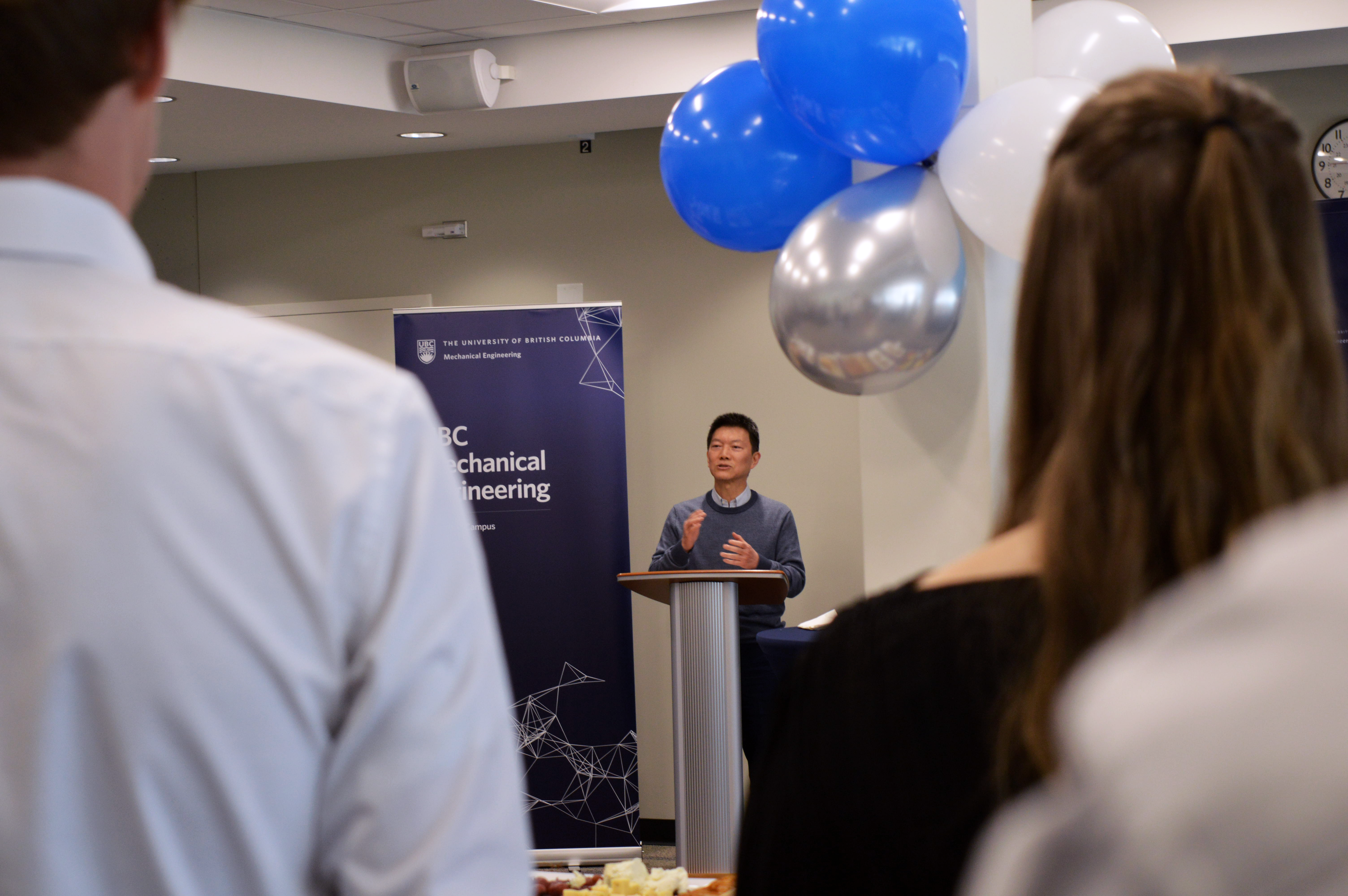
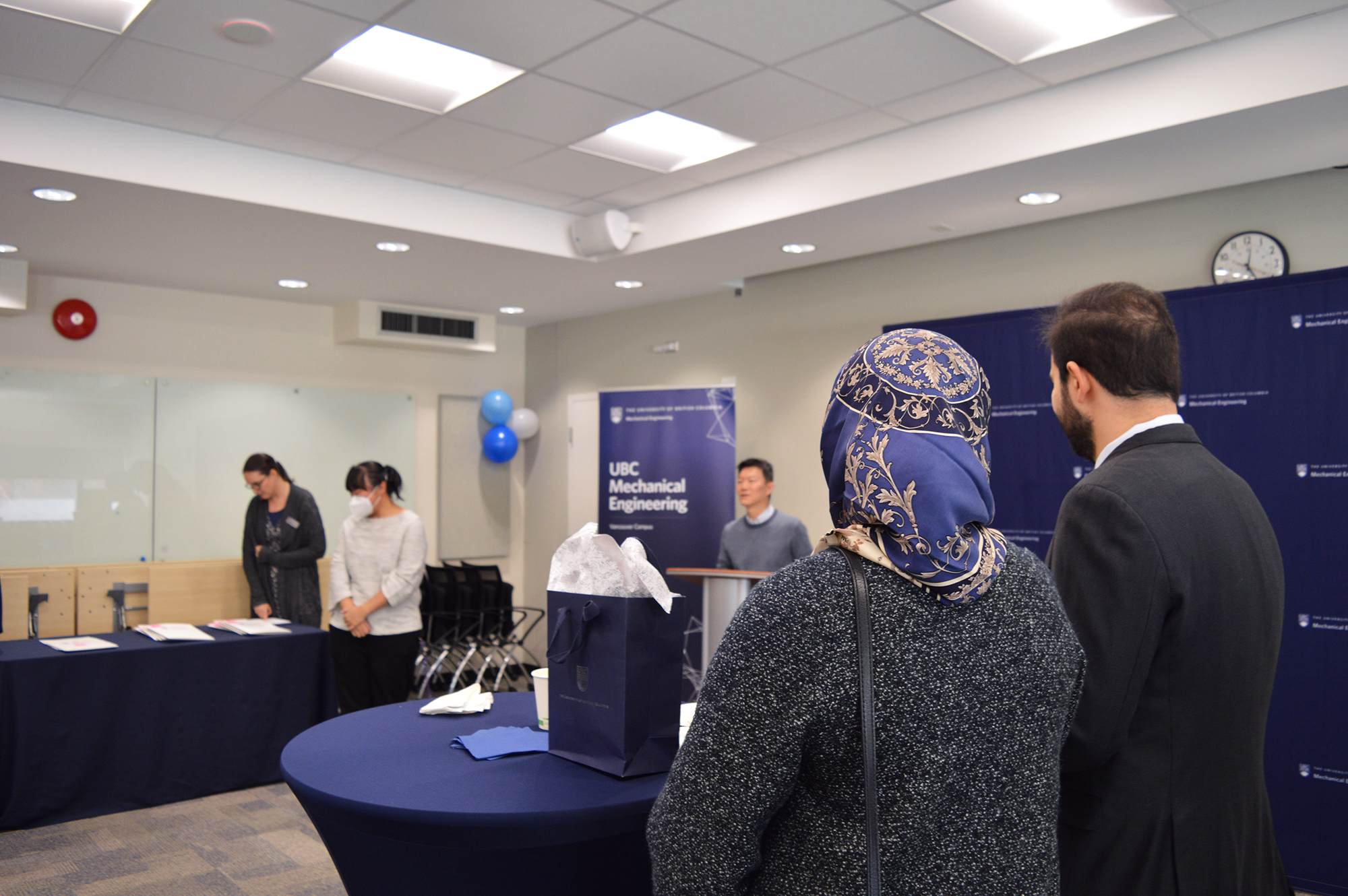
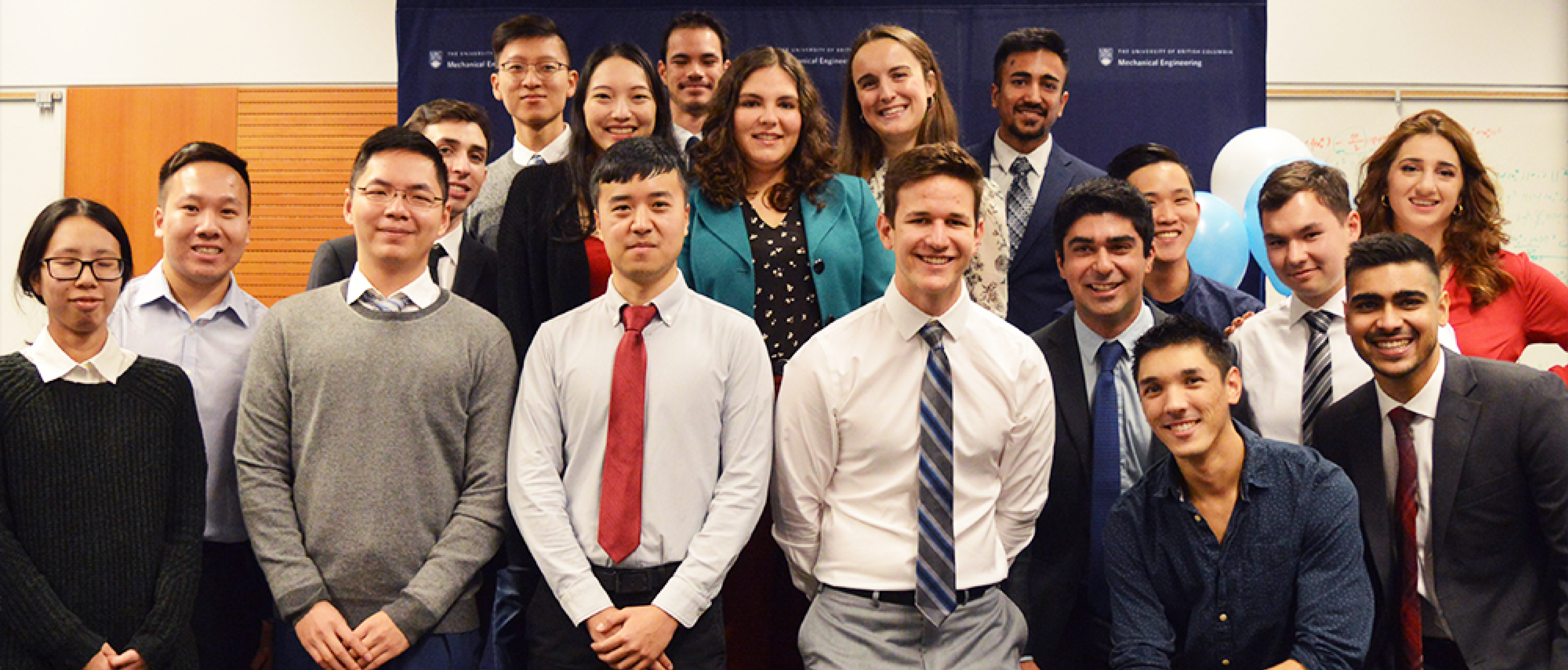
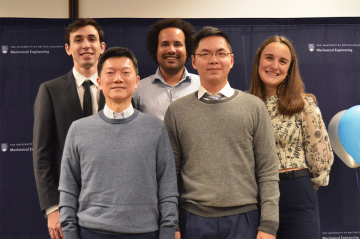
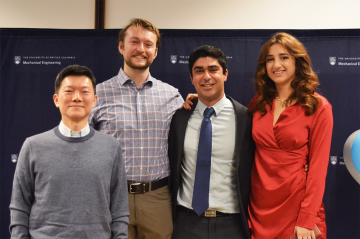
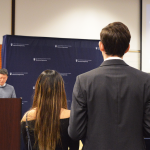
In a brief awards ceremony, Department Head Dr. Steve Feng recognized students’ academic achievements, awarding Degree with Distinction to outstanding UBC Mechanical Engineering graduates.  Adjunct Professor Dan McGreer of the the Naval Architecture and Marine Engineering program presented the award the NAME Design Award for outstanding accomplishments in design by the program’s Master of Engineering students.

2022 Degree with Distinction 

Graduate students who achieved an overall average above 90% throughout their program were awarded a Degree with Distinction:

  • Amirpasha Kamalhedayat, MASC
  • Reza Partovi, MASC
  • Abby Jorgenson, MEng NAME
  • Jeffrey Pine, MEng NAME
  • Matthew Shaunessy, MEng NAME
  • Yunxi Wang, MEng NAME
  • Felix Wu, MEng NAME
  • Hamed Helisaz, PhD
  • Mohammad Mohammadzadeh Keleshteri, PhD


2022 NAME Engineering Design Award

The award was given to the team that designed a BC Emergency Health Services Ambulance Vessel in the 2022 Computer Aided Ship Design course:

  • Abby Jorgenson
  • Yves-Etienne Landry
  • Jeffrey Pine
  • Matthew Shaunessy


Congratulations to all our graduates on your accomplishments here at UBC, and good luck with all your future endeavours! We are proud to welcome you to our alumni community.


CARIS research on wheelchair users’ sense of autonomy in November issue of “Assistive Technology”

The November 2022 issue of Assistive Technology features research by members of the Collaborative Advanced Robotics and Intelligent Systems (CARIS) Laboratory, UBC’s Department of Occupational Science and Occupational Therapy, and the International Collaboration on Repair Discoveries (ICORD). The group, including Mechanical Engineering alumna and CARIS PhD graduate Dr. Mahsa Kalili and CARIS Director Professor Mike Van der Loos, studied how wheelchair users’ sense of autonomy changes with the type of mobility device and environment they are navigating. CARIS is dedicated to researching human-robot interaction in a variety of spheres, including the use of AI in enhancing assistive technology such as wheelchairs.

Different types of Wheeled Mobility Assistive Devices (WMAD) can inhibit or promote their user’s independence, accessibility to different places and involvement in life events. It is common for WMAD users to use more than one type of assistive device to navigate different environments. This paper explores the level of autonomy offered across various WMAD: manual wheelchairs, manual wheelchairs with add-ons that allow for navigating different types of terrain, and powered wheelchairs/scooters, contextualizing users’ experience of autonomy within the different environments where the devices were used.

The group collected data on which mobility devices users favoured across a range of indoor, outdoor, home, public and transportation environments, and when they would switch devices. Overall satisfaction due to perceived autonomy was highest with manual wheelchairs and manual wheelchairs with add-ons, though powered wheelchairs/scooters were preferred outdoors on different terrains. Manual wheelchairs with add-ons seemed to allow for the greatest flexibility between environments and activities while reducing strain on the user, and this study suggests that further development of modular add-ons that address issues such as ease of installation, weight, size, surface traction and addition of powered capabilities could expand users’ autonomy in varied environments.

“Perception of autonomy among people who use wheeled mobility assistive devices: Dependence on the type of wheeled assistive technology” can be viewed at doi.org/10.1080/10400435.2021.1934611.

CBR Blog features Multi-Scale Design Lab work: Emerging AI Methods to Assess Transfusion Quality

PhD student and Canadian Blood Services graduate fellowship awardee Erik Lamoureux writes about his research on using AI to assess red blood cell deformability in microscopy images, as part of Dr. Hongshen Ma’s Multi-Scale Design Lab.


Celebrating the MECH classes of 2020 and 2021 on campus

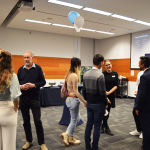
The Department of Mechanical Engineering was delighted to welcome back our 2020 and 2021 graduates who returned to campus for their in-person convocation ceremony on Tuesday, November 22nd, after celebrating their graduation virtually due to COVID-19 safety restrictions. Since we were unable to mark this important occasion with our usual awards reception when they received their degrees, the Department of Mechanical Engineering was honored celebrate our graduates’ university achievements on Tuesday with a reception for our alumni and their families, where they could reconnect with their classmates and professors before crossing the Chan Centre stage.

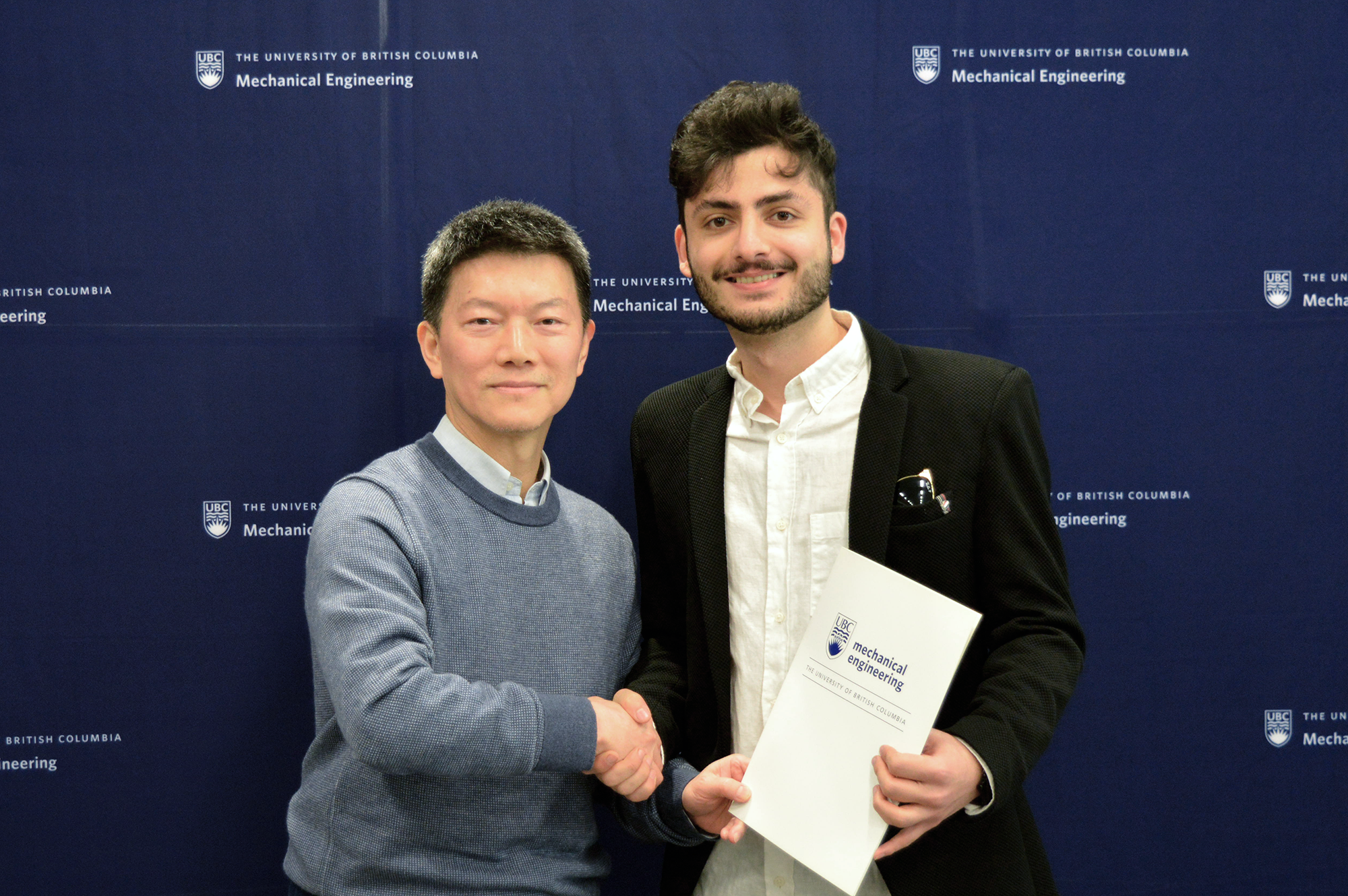
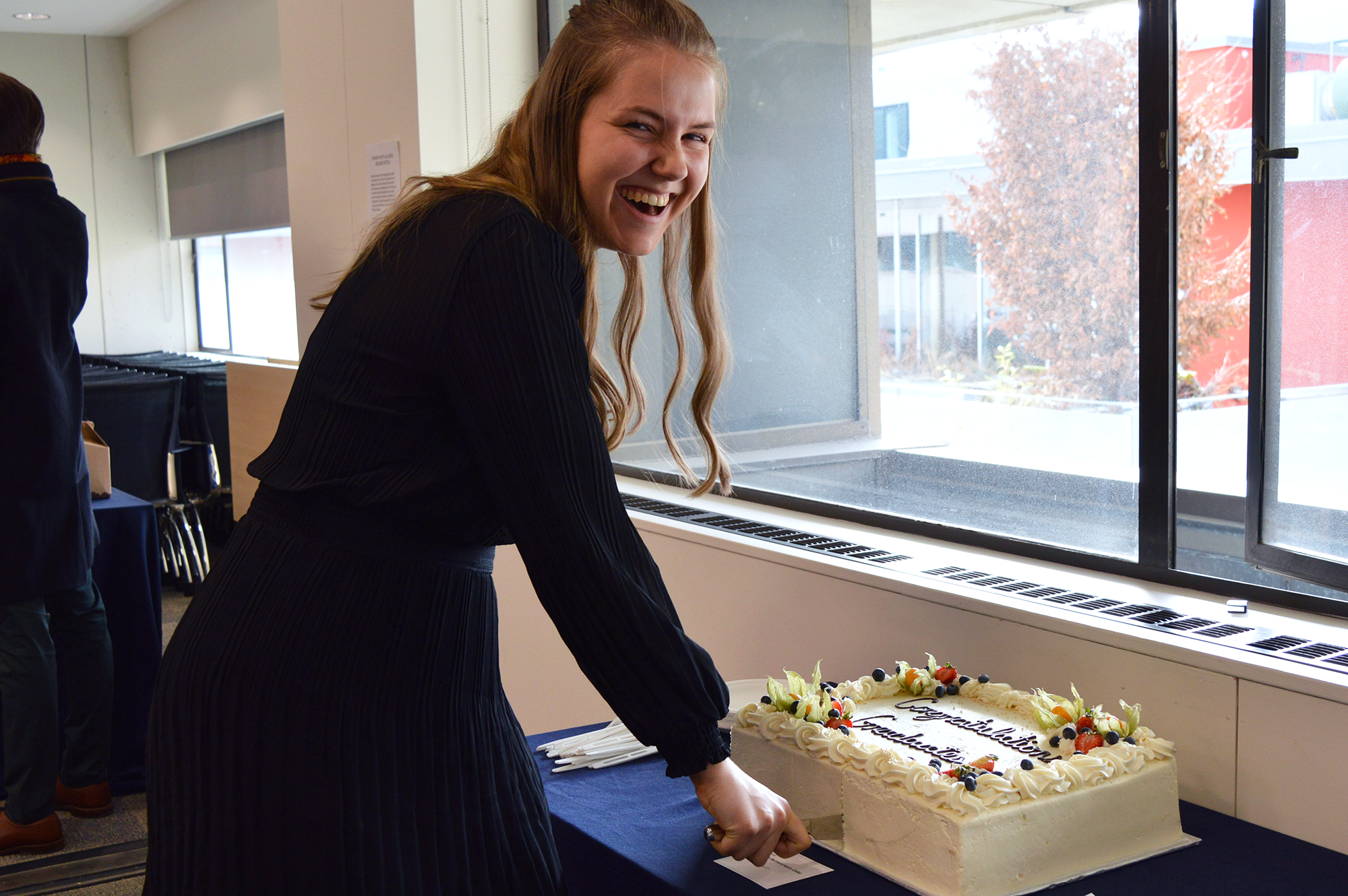
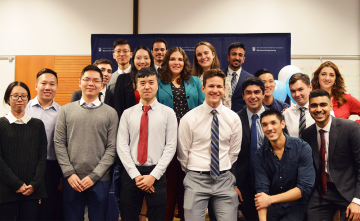
While graduates were formally recognized for their academic and leadership achievements during virtual receptions in 2020 and 2021, the Department held a brief awards ceremony to capture photos of our attending honorees. Another in-person graduation tradition, the celebratory cake was cut by 2021 President of the Mechanical Engineering Undergraduate Club, Émilie Boras.


Major awards recognize students for their top academic achievement in their graduating class or in a specific subject area. 

Leadership Awards are given to students who continually excelled at being effective leaders among their peers and in their communities while at UBC.

Academic Achievement Awards recognize undergraduates who achieve a first-class average and graduate students who achieve a 90% average throughout their MECH program.

For the full list of Major Award, Leadership Award, and Academic Achievement award recipients, visit our 2020 and 2021 virtual graduation reception pages. Congratulations to our class of 2020 and 2021 on your well-deserved convocation! We were honored to celebrate this important achievement with you on campus once again.