Microdermics Inc, co-founded by MECH professor Boris Stoeber featured by CMC Microsystems

Microdermics Inc, co-founded by MECH professor Boris Stoeber featured by CMC Microsystems

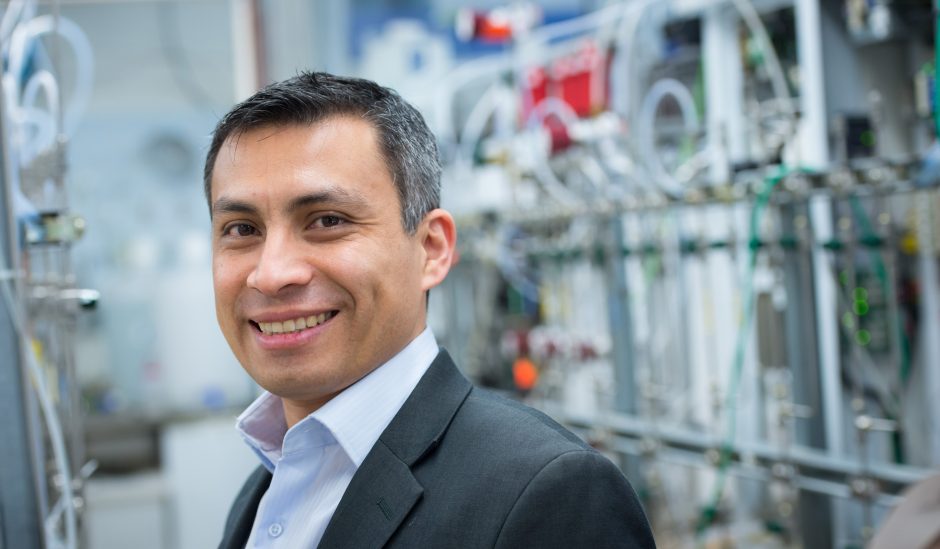
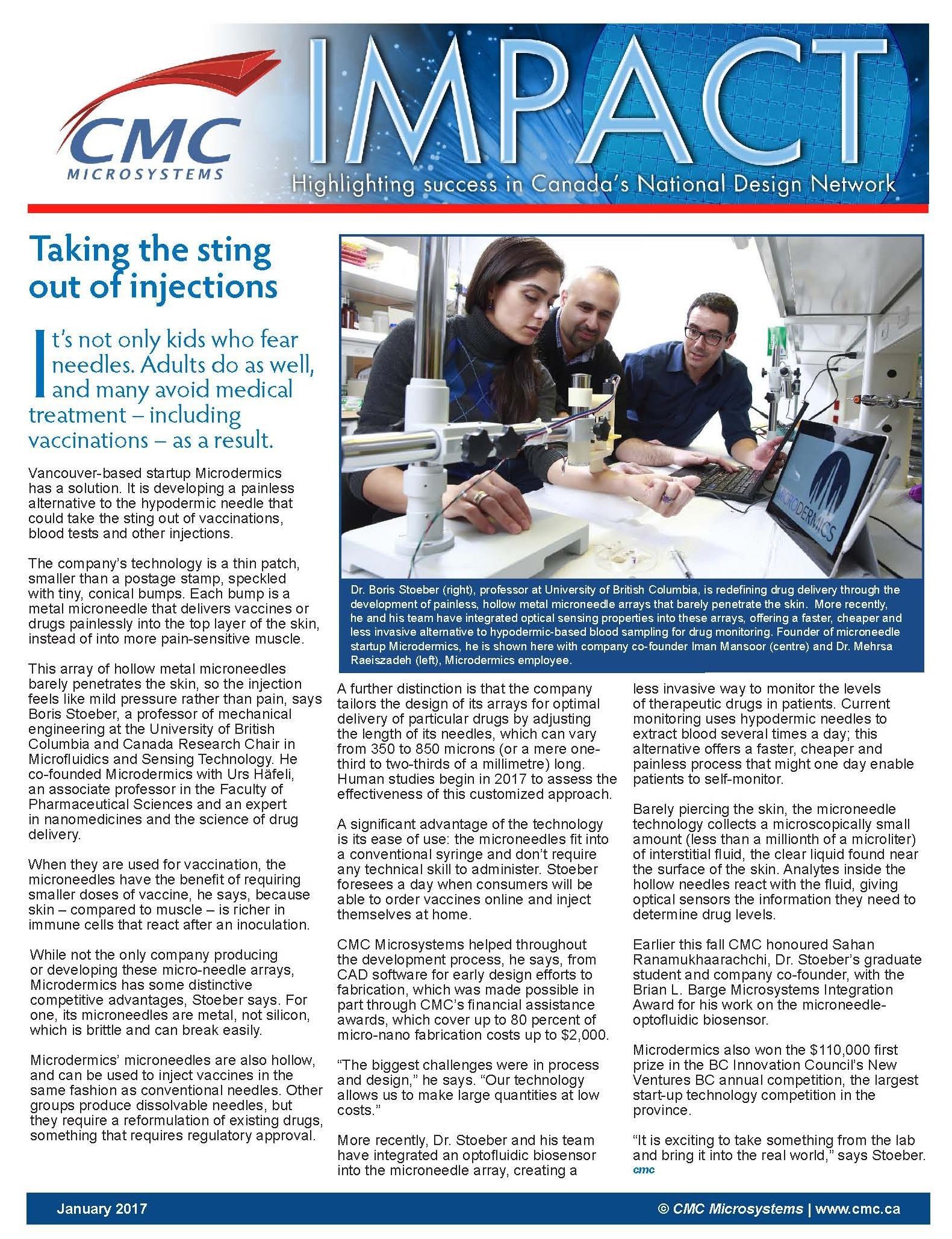
CMC Microsystems, a company that works with and supports researchers and industry across Canada’s National Design Network, recently interviewed MECH professor and co-founder Boris Stoeber on the success of his UBC based start-up Microdermics Inc. Currently, the startup is working to develop a hollow microneedle that would serve as a painless alternative to the hypodermic needle.

The article highlights the company’s recent achievements, such as winning the $110,000 first prize in the BC Innovation Council’s New Ventures BC annual competition, and discusses what makes their product so competitive.

Read the full article below.

CMC Microsystems article

Follow the history of Microdermics through our various stories:

UBC faculty and alumni win first and third place (and several other awards) at BCIC New Ventures Competition (September 2016)

UBC researchers develop painless and inexpensive microneedle to monitor drugs (July 2016)

To read more features from CMC Microsystems, please visit their website at: http://www.cmc.ca/NewsAndEvents/Articles.aspx

Andrea Palmer speaks at UBC Applied Science’s Innovate 2016

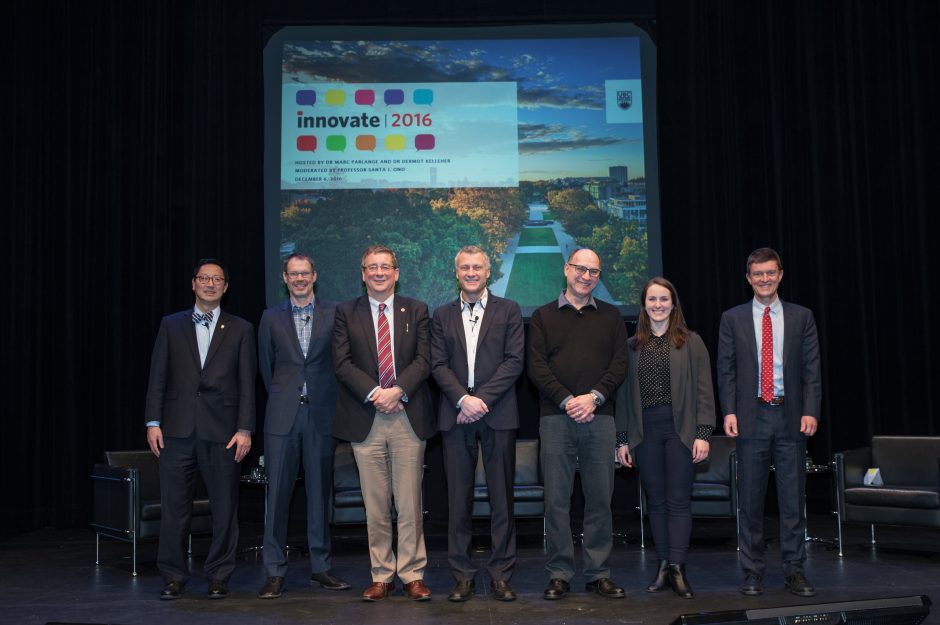
Andrea Palmer stands with UBC President Santa Ono, Dean Marc Parlange, and other Innovate 2016 presenters.

Andrea Palmer stands with UBC President Santa Ono, Dean Marc Parlange, and other Innovate 2016 presenters.

On Tuesday, December 2016, UBC Applied Science held the third annual Innovate, a dialogue series that brings applied research to the community and provides a pathway for industry partnerships. This year’s event was co-hosted by the Faculty of Medicine, who highlighted stories of UBC-linked startups with biomedical engineering roots.

Among this year’s five presenters was MECH alumna Andrea Palmer, founder and CEO of Awake Labs. In her presentation, Andrea discussed the work currently being done at Awake Labs. An autism health company that is committed to empowering those living on the autism spectrum, her company is responsible for the development of Reveal, a wearable that measures and tracks physiological signals in real time to help autistic people and their caregivers understand changes in behaviour.

Check out Andrea’s talk below:

For more about this year’s Innovate, please visit Innovate 2016.

MECH alumna Morgane Oger, BC’s first transgender woman to be nominated by major party

CBC featured Morgane Oger, a UBC alumna who became be the first transgender person to be nominated by a major Canadian political party as a candidate at any level of government.

Oger, who studied graduated from Mechanical Engineering at UBC in ’93, is a member of the Vancouver Board of Education’s Pride Committee and is chair of the Trans Alliance Society.

The story also appeared on Yahoo and similar stories appeared in the Vancouver Courier and Vancouver Sun.

To read the full CBC story, please visit: CBC.

Walter Mérida discusses how high-tech data could speed transit buses, save fuel and time

Walter Merida, Director of the UBC Clean Energy Research Centre, and MECH prof was interviewed by the Vancouver Sun about the future of transit.

He said next-generation electric and hydrogen fuel-cell vehicles should be the next step for transit agencies to improve efficiency and sustainability, and utilizing the “Internet of Things” should also be a priority.

“The basic premise is that right now vehicles are already connected; already communicating with other vehicles, but the next logical step is, of course, the vehicles (getting) connected to the city’s infrastructure,” he said.

To read the full story please visit: Vancouver Sun

Big NSERC gains for UBC advanced manufacturing research

yusuf-from-apsc-news

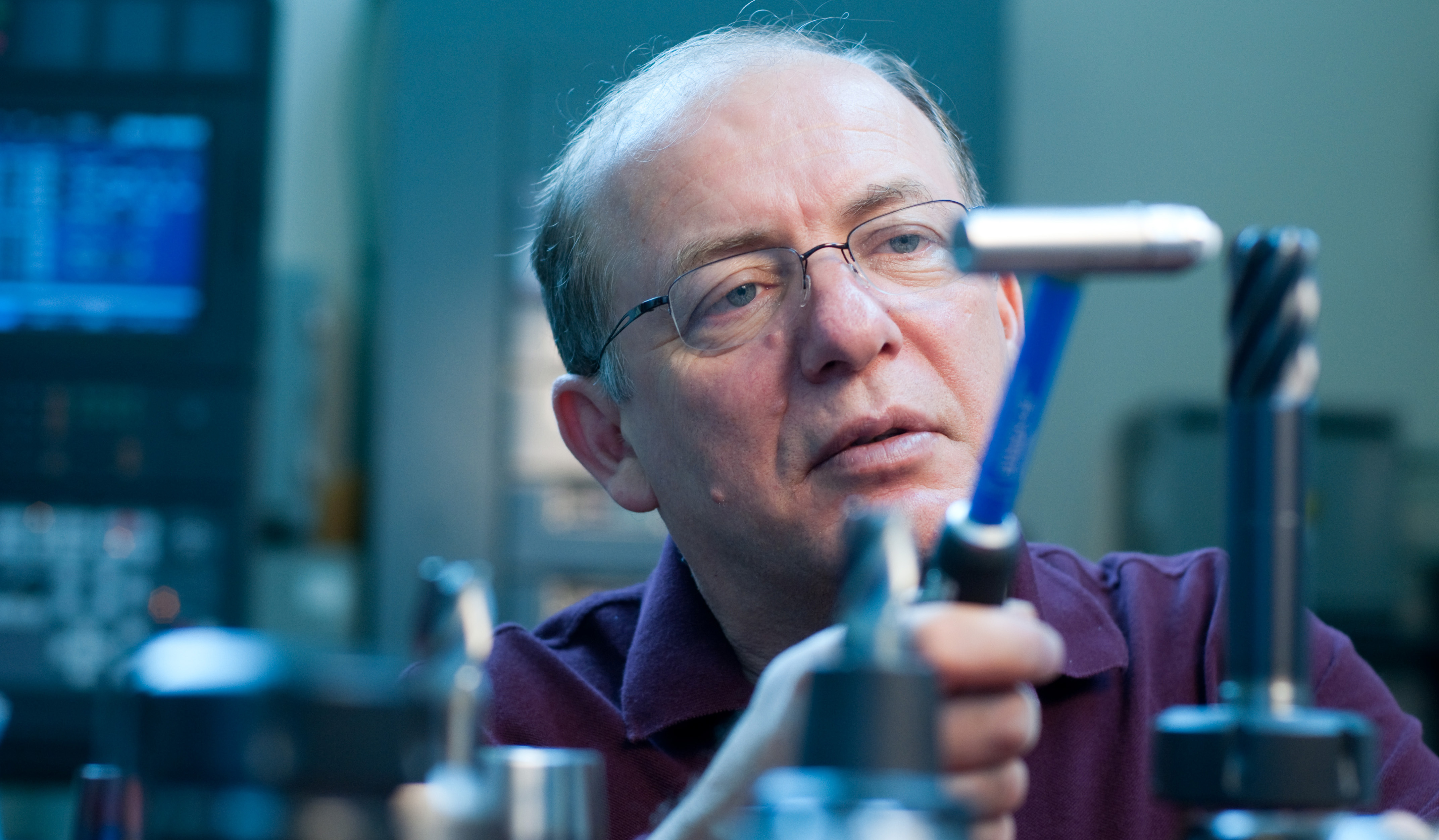
UBC mechanical engineering professor Yusuf Altintas, P.Eng., has been awarded one of four 2016 Strategic Partnership Grants for Networks by the Natural Sciences and Engineering Research Council (NSERC), valued at $5.5 million over five years.

The recipients were announced on October 19, 2016 at Carleton University by the Honourable Kirsty Duncan, Minister of Science, and the Honourable Catherine McKenna, Minister of Environment and Climate Change.

Altintas and his research partners have also received significant industry funding to complement the NSERC grant: $1.785 million from Canadian companies (Pratt & Whitney Canada, Honda Canada, Ontario Drive & Gear, Memex, Origin, CADlink and Alcoa) and $781,000 from international companies (Sandvik Sweden, Danobat, Boeing, the Industrial Technology Research Institute of Taiwan and SIMIC Korea) over five years.

Supporting large-scale, multidisciplinary research projects that require a network approach, the Strategic Partnership Grants for Networks are intended to increase research and training in four target areas (including advanced manufacturing) “that could strongly enhance Canada’s economy, society and/or environment within the next 10 years.” Such research and training must be conducted through partnerships between academic researchers and industry or government organizations.

“Facilitating close connections and partnerships with business ensures that discovery research is enriched by industry perspectives and market needs,” says B. Mario Pinto, president of NSERC.

Altintas is the scientific director of the Canadian Network for Research and Innovation in Machining Technology (CANRIMT). Comprised of university researchers (17 faculty members from seven Canadian universities) and industrial partners, CANRIMT is developing mathematical simulation models integrated with software tools that are helping Canadian companies design and manufacture innovative products more cheaply and quickly. The network’s core research is carried out at UBC.

The modelling and analysis tools created by CANRIMT, which are part of a virtual machining technology platform, enable accurate computer simulations of complex machining systems. Accounting for a variety of relevant factors (including the properties of the materials being used, cutting conditions, machine tool vibration and geometry, and the computer system that controls the motion of the machine tool), these simulations allow companies to predict how real machines will interact with real work materials, correct any errors, and otherwise optimize their machining processes without conducting expensive, time-consuming physical trials.

The first phase of CANRIMT, which was awarded a Strategic Partnership Grant in 2010, produced software for 5-axis milling, drilling, turning and boring that is currently in use by the Canadian aerospace industry and is being tested for application in the automotive and machinery manufacturing industries worldwide.

In its second phase, CANRIMT aims to integrate virtual models into real-time, physical machining systems in order to create intelligent digital machining systems that cover the entire product development chain. To meet existing and growing demands in the Canadian aerospace, automotive, energy, machinery and medical device industries, CANRIMT is also working to improve the functionality and accuracy of its virtual machining technology.

In addition to encouraging collaborations between academia and industry, the partnership grants have a strong educational purpose, requiring that winning projects “offer opportunities for enhanced training of highly qualified personnel that takes advantage of the multidisciplinary and multi-sectoral environment of a network.” CANRIMT is expected to train over 85 new graduate students and engineers in network laboratories and the manufacturing facilities of its industrial partners over the next five years.

By developing the world’s most advanced virtual machining system for macro- and micro-machining operations, Altintas and his collaborators are transforming Canadian machining practices and establishing Canada as a global leader in advanced manufacturing. The other networks recognized by NSERC address such challenges as pollution, sustainable natural resource extraction and modernizing the stewardship of Canadian lakes.


Original post from APSC News.
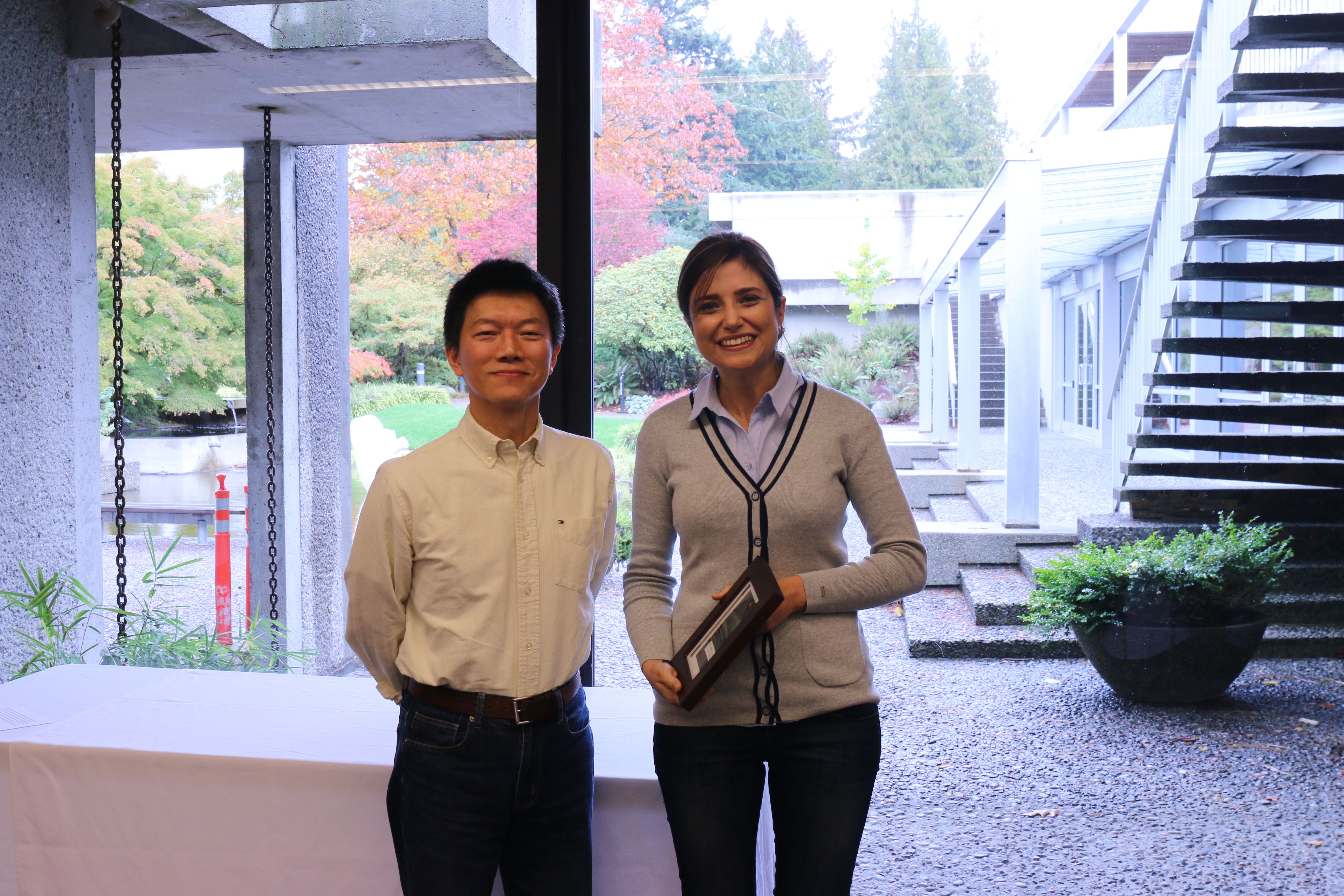
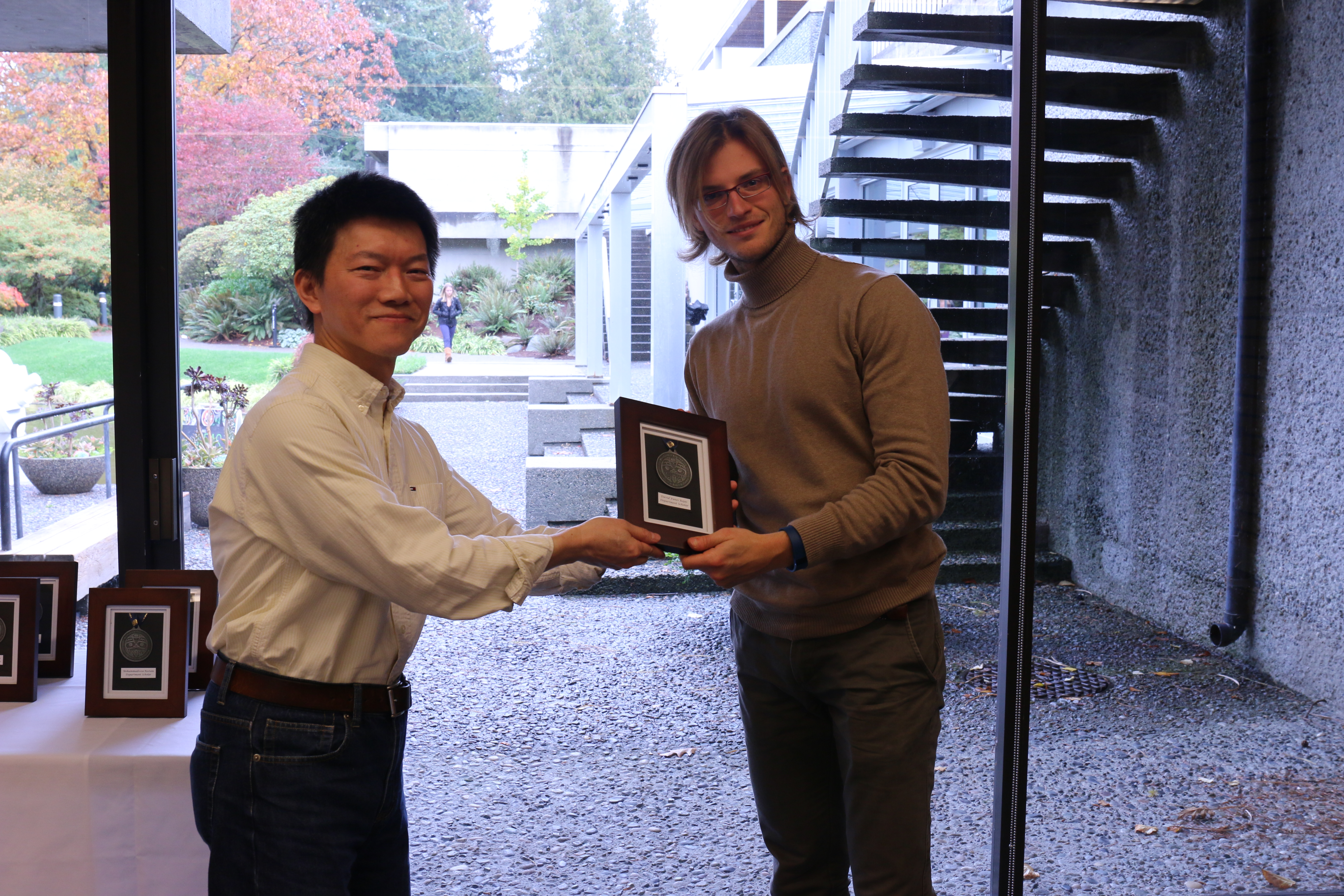
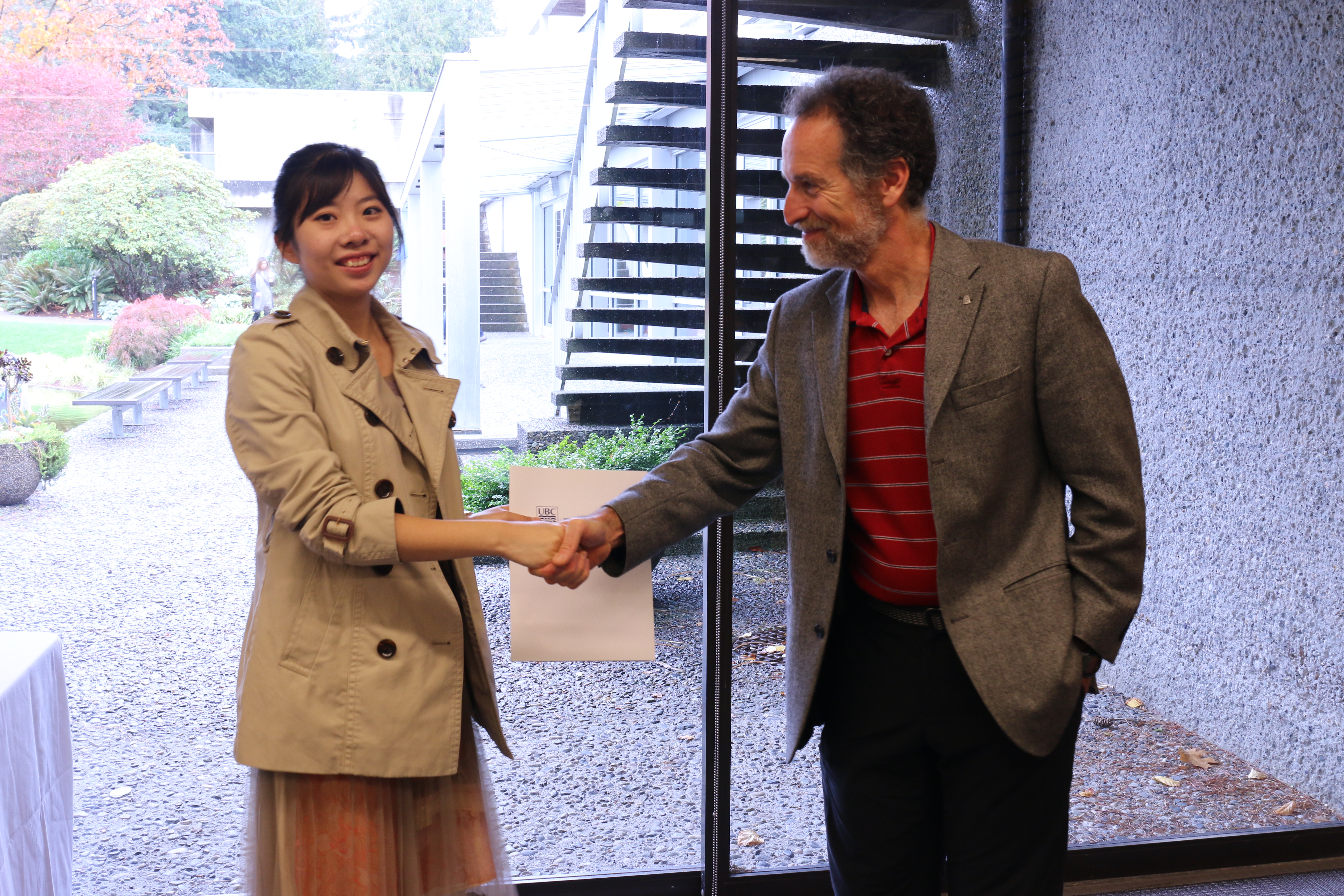
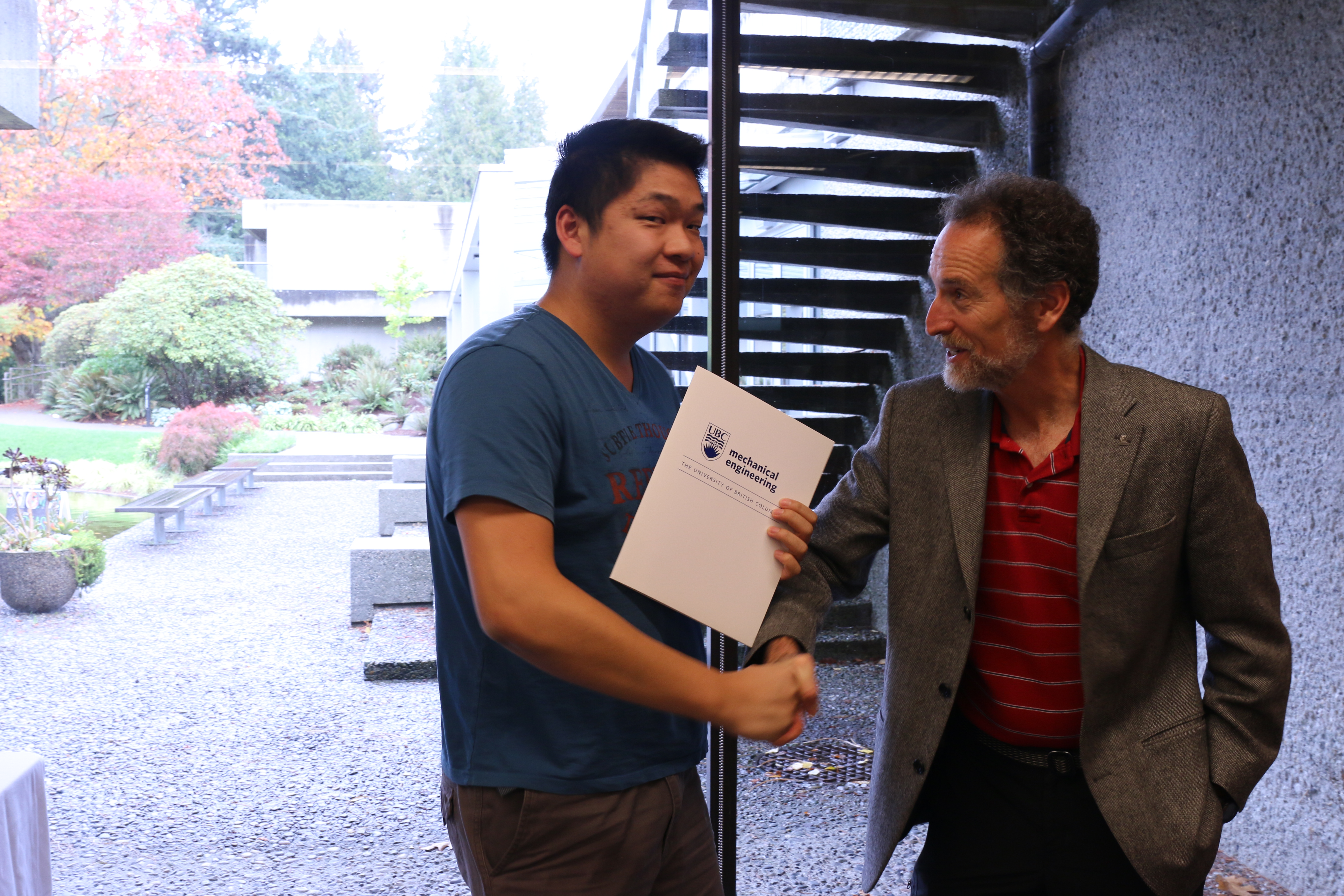
Congratulations to our Department Scholars and Outstanding 2016 Undergrads!

img_5908

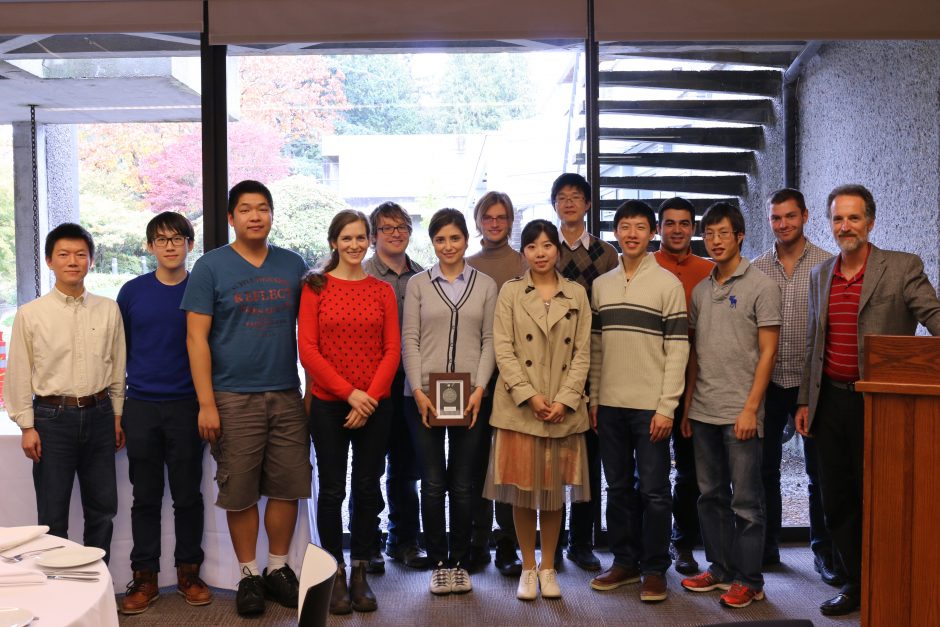
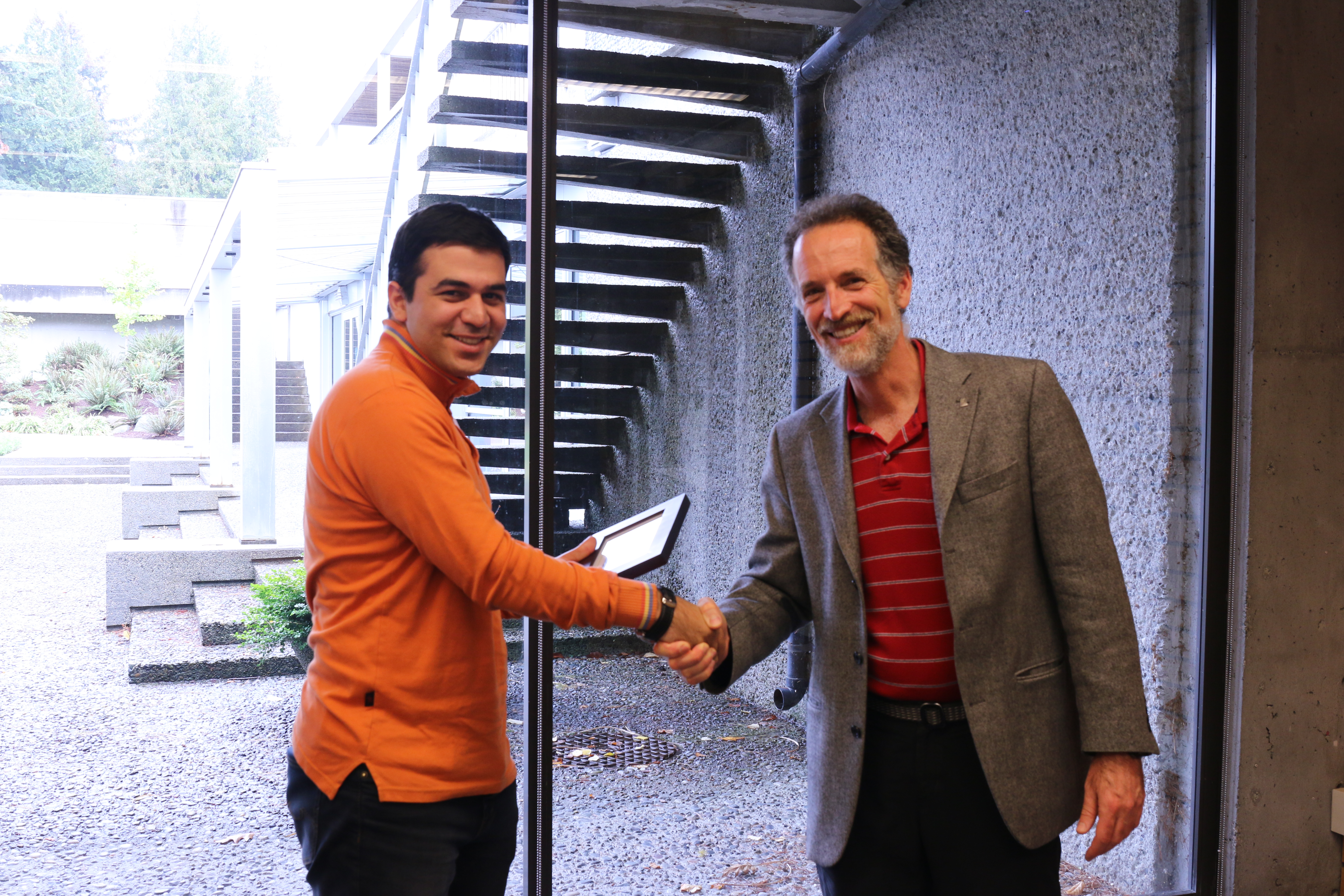
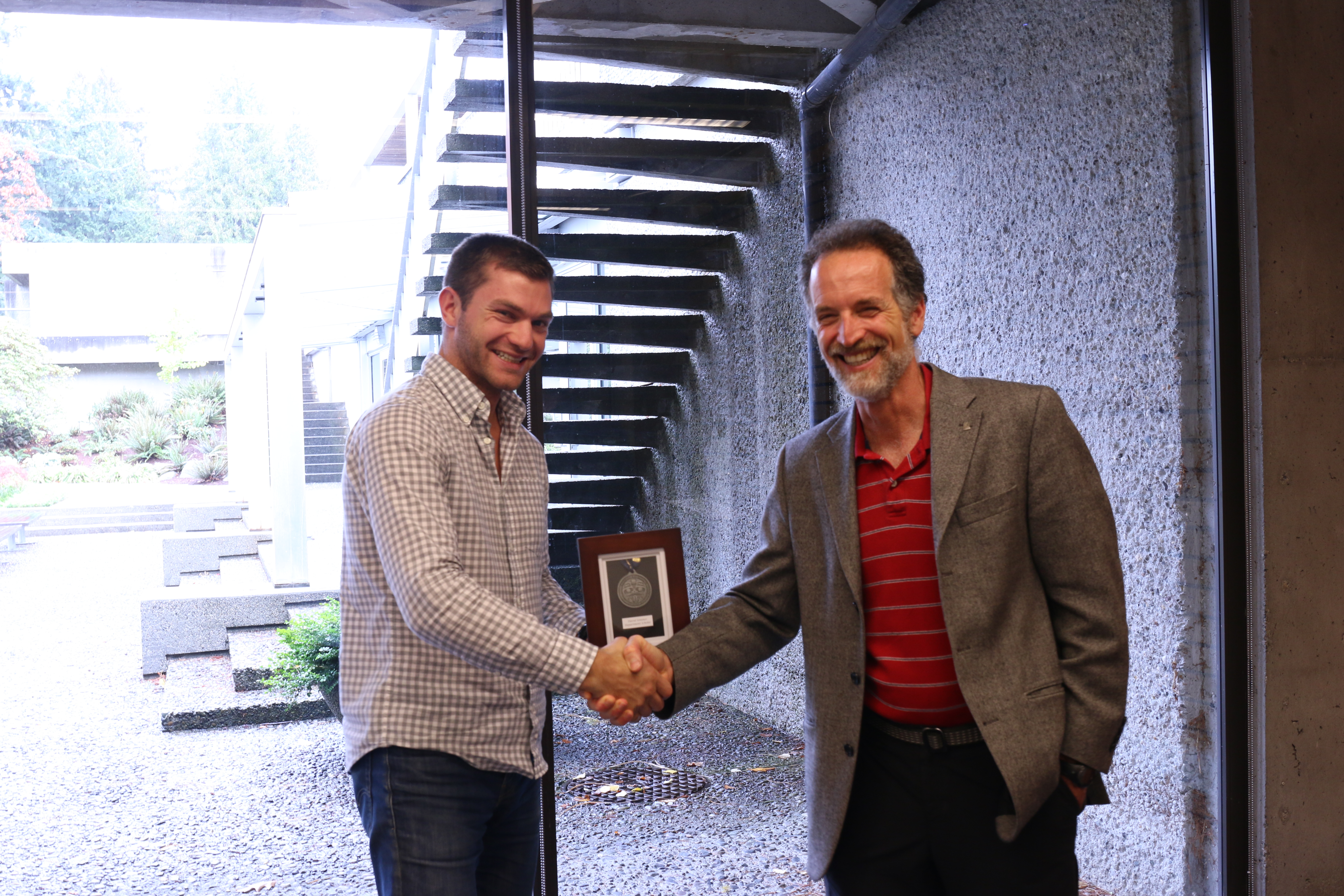
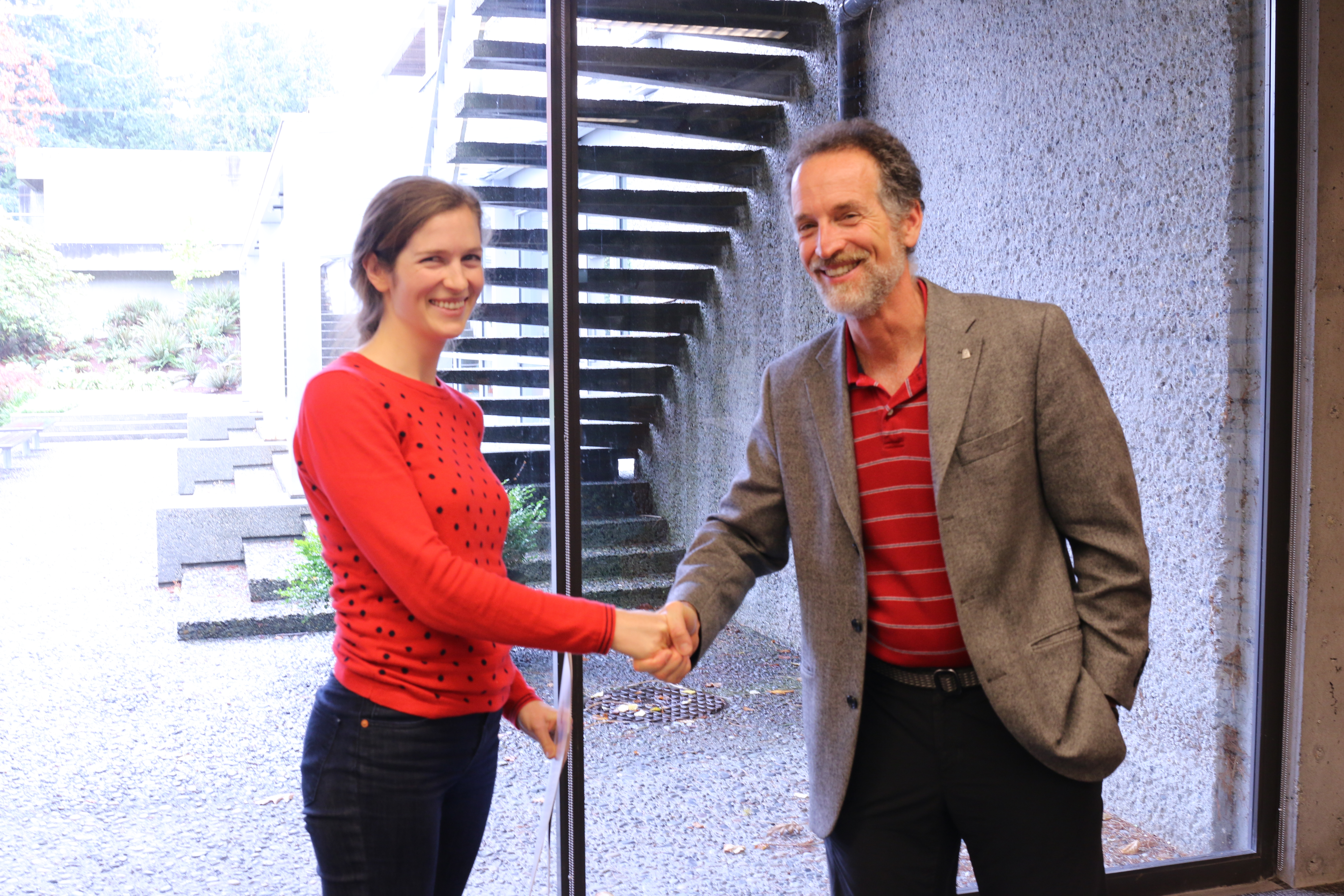
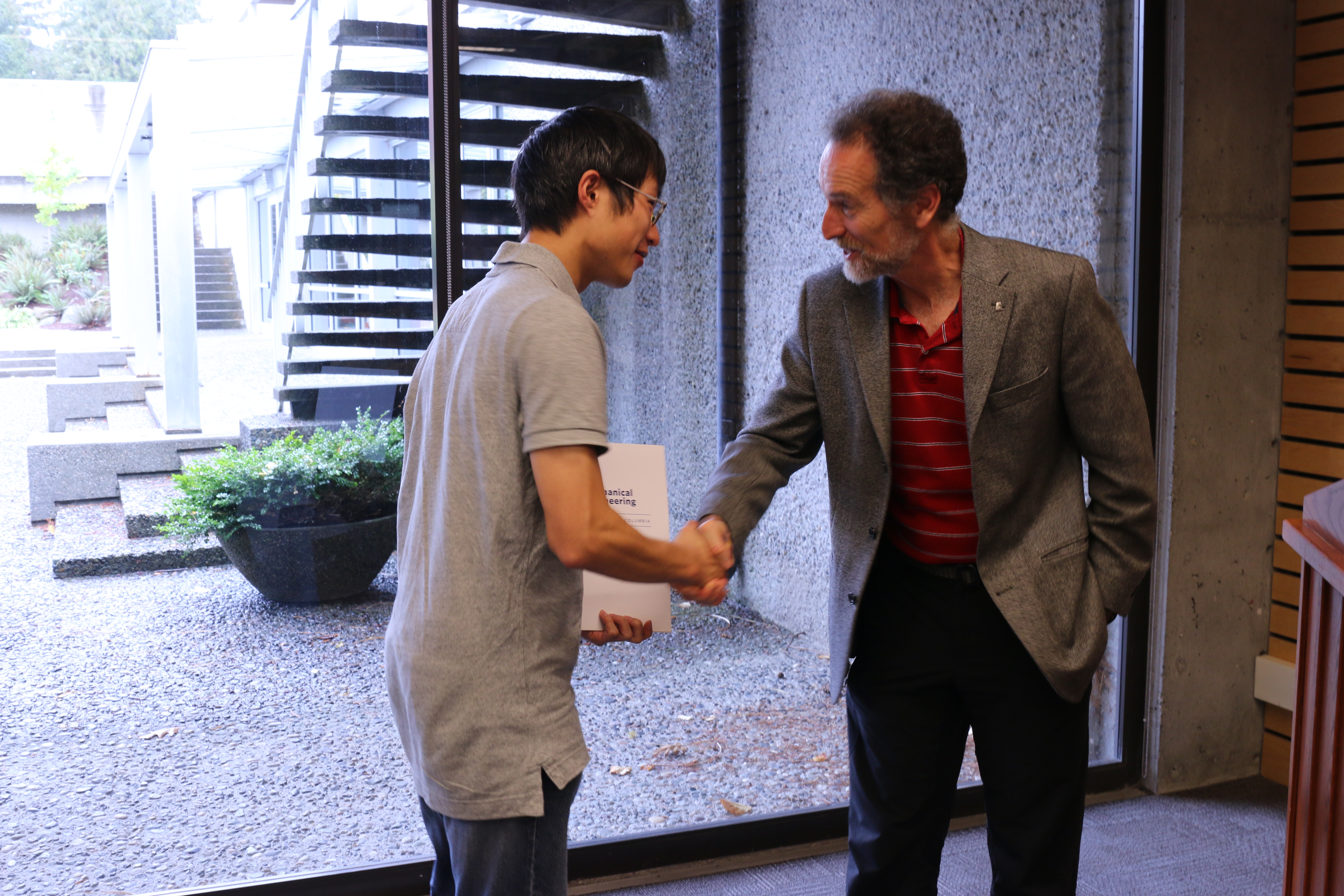
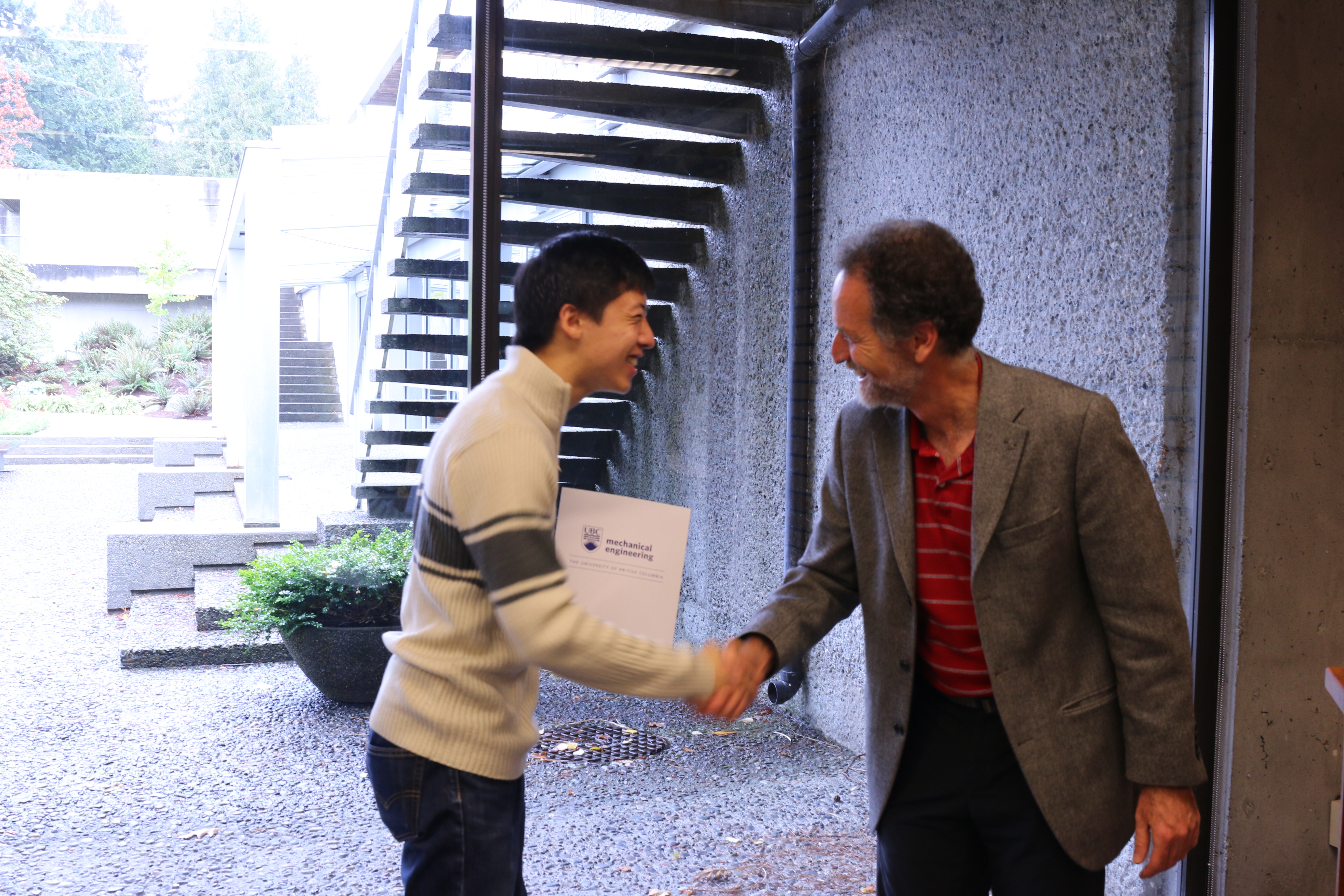
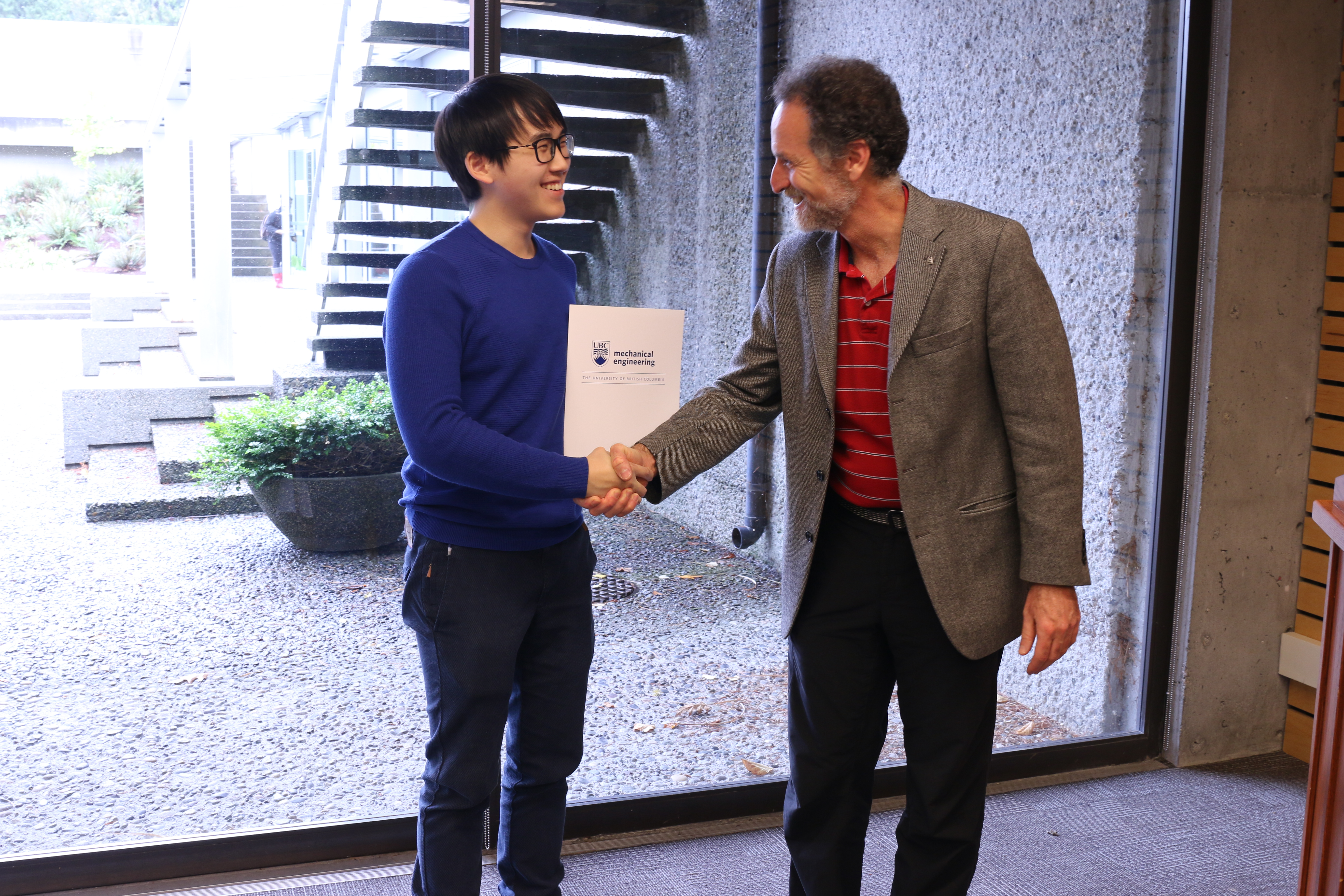
On October 18th, 2016, the Mechanical Engineering department recognized graduate and undergraduate students who have excelled in their academic programs.

For outstanding achievements in graduate studies and research, the following students received a medal and the honorary designation of Department Scholar:

Sarah Crosby
David Funes Rojas
Mehadi Hasan
Michael Karpinski-Leydier
Kui Pan
Hatef Rahmani
Mohammadreza Rostam
David Sommer
Alexander Sylvester
Hoda Talebian
Miayan Yeremi

For excellence in the undergraduate program, the department awarded certificates of achievement to the following students:

Michael Alexander Andersen
Albert Kong
Zhaoshuo Li
Daniel Benjamin Lin
David Kar Kit Luo
Jonathan Patrick Marr
Jian Lik Ng
Sophie Ramsden
Rory Alexander Smith
Sonia Ruth Taylor
Jordan Wong
Ruolan Ye

Please join us in congratulating these exceptional students!


Walter Mérida receives award for ‘clean capitalism’

merida-clean50

Walter Mérida, P.Eng., director of the UBC Clean Energy Research Centre and a professor in the Department of Mechanical Engineering has been announced as a recipient of a 2017 Clean50 award under the category of Education and Thought Leadership.

The Clean50 recognizes remarkable and inspiring leaders and connects those leaders in order to bridge gaps and build connections. Their annual awards offer recognition to Canada’s leaders in sustainability and are selected from 16 diverse categories that transcend numerous industries, academia, different levels of government, thought leaders and advocates.

Award citation

A clean energy solutions developer for over 20 years, Walter is now an equal part innovation accelerator energizer bunny. He formed and led a clean-energy partnership between UBC and the Fraunhofer Society in Germany and with 23 other diverse partners. He leads a multi-institutional group (Transportation Futures) at the Pacific Institute for Climate Solutions, serves as Director for the Canadian Urban Transit Research and Innovation Consortium, the Canadian Hydrogen and Fuel Cell Association, and is one of the founders for the Institute for Breakthrough Energy Technologies in Vancouver, and oh – also oversees a Master of Engineering Leadership program in clean energy.

More information

http://cerc.ubc.ca

https://clean50.com/


Original story from APSC News

UBC faculty and alumni win first and third place (and several other awards) at BCIC New Ventures Competition

microdermics-1st-prize

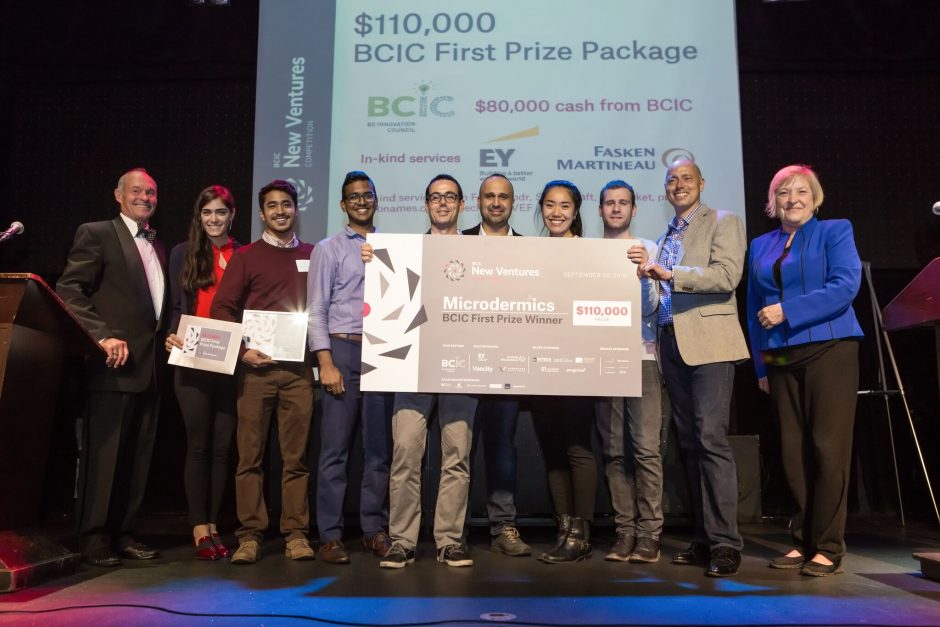
The Microdermics team receiving the 1st prize package.

Monday, September 26th was an exciting day for UBC MECH faculty and alumni, receiving several awards at this year’s BC Innovation Council’s (BCIC) New Ventures Competition. The competition is one of North America’s largest technology business idea competitions, which attracts BC entrepreneurs from a wide range of industries including cleantech, ICT, bioenergy, agritech, life sciences and more. Microdermics Inc., a Vancouver based start-up and UBC spin-off co-founded by professor Boris Stoeber and alumnus Dr. Iman Mansoor, was awarded first place in the competition, which includes a prize package valued at $110,000. The company was also awarded the CDRD Life Sciences Prize for their contribution to health-related research and product innovation.

Microdermics received the BCIC award for the development of a hollow metal microneedle injection system, a painless alternative for delivering vaccinations and therapeutics, and monitoring drugs in the bloodstream. Their product could one day replace costly, invasive hypodermic needles and improve patient comfort.

Iris Automation, whose CTO James Howard graduated from UBC Mechanical Engineering in 2016, placed third for their development of a collision avoidance system for industrial drone use. The system allows drones to “see, think and have situational awareness like humans do,”* which allows the drones to be used for agricultural surveys, pipeline inspections, mining exploration, search and rescue, and more. In addition to the $35,000 third prize package, Iris Automation also received the $22,000 BC Resource Industry Prize.

Sensible Building Science, founded by MASc MECH alumnus Stefan Storey, was also awarded the $10,000 City Innovation Prize at the event — a prize presented to the top performing venture whose primary market or potential primary market are city departments or agencies. The company received the award for their dedication to creating “smarter” buildings, or buildings equipped with controls which are able to base ventilation and heating decisions on the exact location of people, leading to less energy consumption, increased ventilation, and more comfortable occupants.

Congratulations to all three companies for your exciting successes!


To read more about the BCIC New Ventures Competition and UBC faculty and alumni success, visit their blog.

For more information about the companies, please visit their websites: www.microdermics.com   www.irisonboard.com   www.sensiblebuildingscience.com

Andrea Palmer, founder of Awake Labs, receives Startup Canada’s Young Entrepreneur Award

Start Tel Aviv Competition 2016

Photos from Startup Canada’s announcement


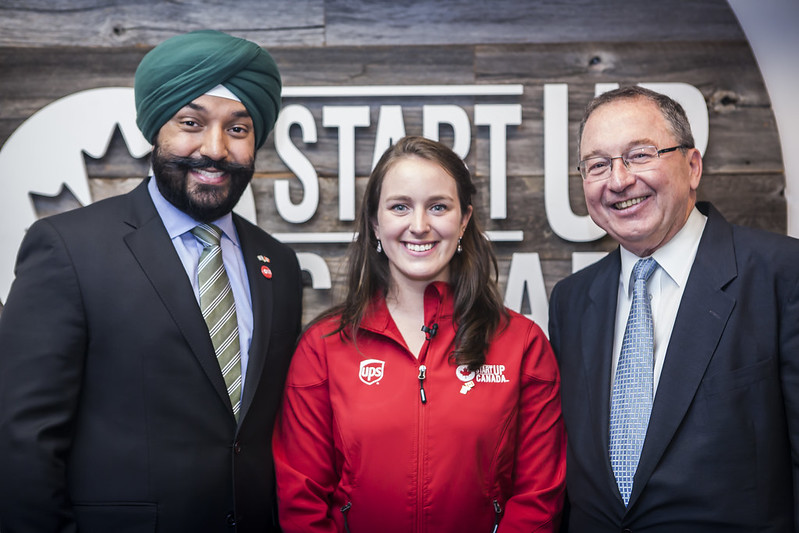
Andrea Palmer-Boroski, who graduated from UBC Mechanical Engineering in 2015, has won Startup Canada’s Young Entrepreneur Award for the region of British Columbia and the North.

The Startup Canada Awards, now in their third year, aim to “celebrate and recognize those driving impact and demonstrating excellence in Canada’s entrepreneurship and innovation community.”

Palmer-Boroski has also won the Canadian arm of Start Tel Aviv, a global startup competition presented in Canada by Startup Canada and the Embassy of Israel. Each of the 31 participating countries selected its top female technology-based-startup founder under 40 years old to represent her nation in Israel.

Along with the other winners, Palmer-Boroski will travel to Tel Aviv to participate in lectures, workshops and meetings with leading Israeli investors and professionals and to attend the DLD Tel Aviv Innovation Festival, an international gathering of companies, entrepreneurs, investors, techies, scientists and others. Tel Aviv has one of the best startup ecosystems in the world, according to a 2015 report by Compass, a San Francisco-based company that provides benchmarking software to startups.

Palmer-Boroski is the CEO and founder of Awake Labs, whose first product, called Reveal, is a wearable band that measures and tracks physiological signals for anxiety. When these signals (heart rate, skin temperature and electrodermal activity) indicate that the wearer is becoming anxious, Reveal sends out an alert through its accompanying app–thereby giving the parents of a child with autism, for instance, an opportunity to prevent problem behaviors such as meltdowns.

The device also lets users tag physiological data with contextual information, which may help people better understand what triggers anxiety in themselves or others. This could be particularly beneficial for non-verbal children with autism.

Reveal was conceived in January 2015, in an undergraduate entrepreneurship course at UBC. Palmer-Boroski and her team originally envisioned their device being used by stressed workers to avoid burnout before they saw its potential value within the autism community.

Since then, Palmer-Boroski has received numerous awards for her work, including first place at the 2015 Canadian Global Impact Competition, which sought to recognize an idea that would “improve the standard of living for one million Canadians within the next three to five years through the use of technology,” and both the 2016 Satchu Prize and the 2016 Outstanding Venture Award from The Next 36, an annual development program for 36 exceptionally promising young Canadian entrepreneurs.

Startup Canada is a national, non-profit organization that works to improve the environment for entrepreneur-run businesses in Canada. Of the 2016 award-winners, Startup Canada CEO Victoria Lennox stated, “As leaders in the entrepreneurship ecosystem, they are each making Canada a better place to start and scale companies.”

Based in Vancouver, Awake Labs has eight employees and is currently testing Reveal with families in B.C. Although at this stage the device is being designed for children with autism, Palmer-Boroski sees later versions of Reveal being used by individuals of all ages with anxiety-related disorders and dementia.

The Startup Canada Awards reception for B.C. and the North is scheduled to be held on October 24 at the Scotiabank Dance Centre (Faris Room, 677 Davie Street, Vancouver, British Columbia, V6B 2G6). Start Tel Aviv will take place from September 25 to 29.

Original story from APSC News

Student group funding application package now available

Student group funding applications are now open! Student groups requesting funding and other support from the MECH Department should complete the application package and submit it by October 9th at 11:59pm. Please note that groups/teams must submit both an electronic and a hard copy to the MECH Student Services Office (CEME 2205). Late applications will not be accepted, however, hard copies will be accepted after the deadline so long as the electronic copies are sent to students@mech.ubc.ca on time.

Click here to download the application package.

To submit an application or if you have any questions, please feel free to talk to Heather in the MECH Student Services Office or email her at students@mech.ubc.ca.