Dr. Juan Abelló wins UBC Killam Teaching Prize

New publication uses deep learning to predict underwater noise

Recent master’s graduate Rachit Gupta and supervisor Associate Professor Rajeev Jaiman have created a three-dimensional deep learning-based computer model to predict unsteady fluid flow, in order to help scientists better understand fluid-structure interaction and ship radiated underwater noise. Underwater noise interferes with the ability of marine animals to do essential activities like communicating, finding a mate, locating food and identifying danger. Marine mammals who use echolocation to navigate their environments are particularly vulnerable to human-made noise, such as the Pacific Northwest’s endangered population of Southern Resident Killer Whales. Understanding the underwater noise made by ships can be complicated, as it is made through a combination of ship operations such as propeller motion, ship vibration, and onboard machinery, as well as interacting both with the water and any solid objects in the surrounding marine environment, including the ship itself.

Exploring how the vibrations interact with both fluids and solids, the researchers have developed a deep learning framework that uses a 3D physics-based digital simulation of a ship and its marine propellers in order to understand the mutual interactions between the distributed noise sources and biologically sensitive habitats. The predictions generated by this model can allow for greater adaptive decision-making and noise mitigation strategies for ships and reduce stress to marine mammals as they navigate the ocean soundscape.

Read “Three-dimensional deep learning-based reduced order model for unsteady flow dynamics with variable Reynolds number” in Physics of Fluids at https://doi.org/10.1063/5.0082741.


Photo by August Politis on Unsplash.

What exactly is air quality, and what affects it in BC?

UBC Beyond talks to several members of the Rapid Air Improvement Network, an interdisciplinary UBC research project co-led by Dr. Steven Rogak and Dr. Naomi Zimmerman.

Department mourns the passing of Professor Emeritus Stanley Hutton

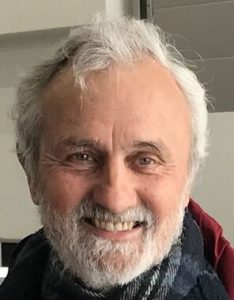
Dr. Stanley Hutton smiles at the camera. Photo via the Vancouver Sun.

The Department of Mechanical Engineering mourns the passing of Professor Emeritus Stanley Hutton on March 13, 2022. After completing his doctoral degree at UBC, and teaching at the University of Adelaide, Australia, he returned to UBC in 1978 to join the Department of Mechanical Engineering as a faculty member. He was an instructor and researcher here for twenty-four years, where he worked to improve our understanding of machine vibration and stability. After his retirement, he was an active contributor to department research, collaborating with other faculty members. He was a beloved colleague and teacher, and will be missed dearly.

UBC honours Dr. Hutton’s memory by lowering the BC, Musqueam and UBC flags at the North Plaza of the Life Building on Thursday, March 31st 2022. His celebration of life will be held on April 3, 2022, at the Vancouver Rowing Club at 1:30 PM. Donations in his memory can be made to the Alzheimer Society of BC.

Read Dr. Hutton’s obituary in the Vancouver Sun.

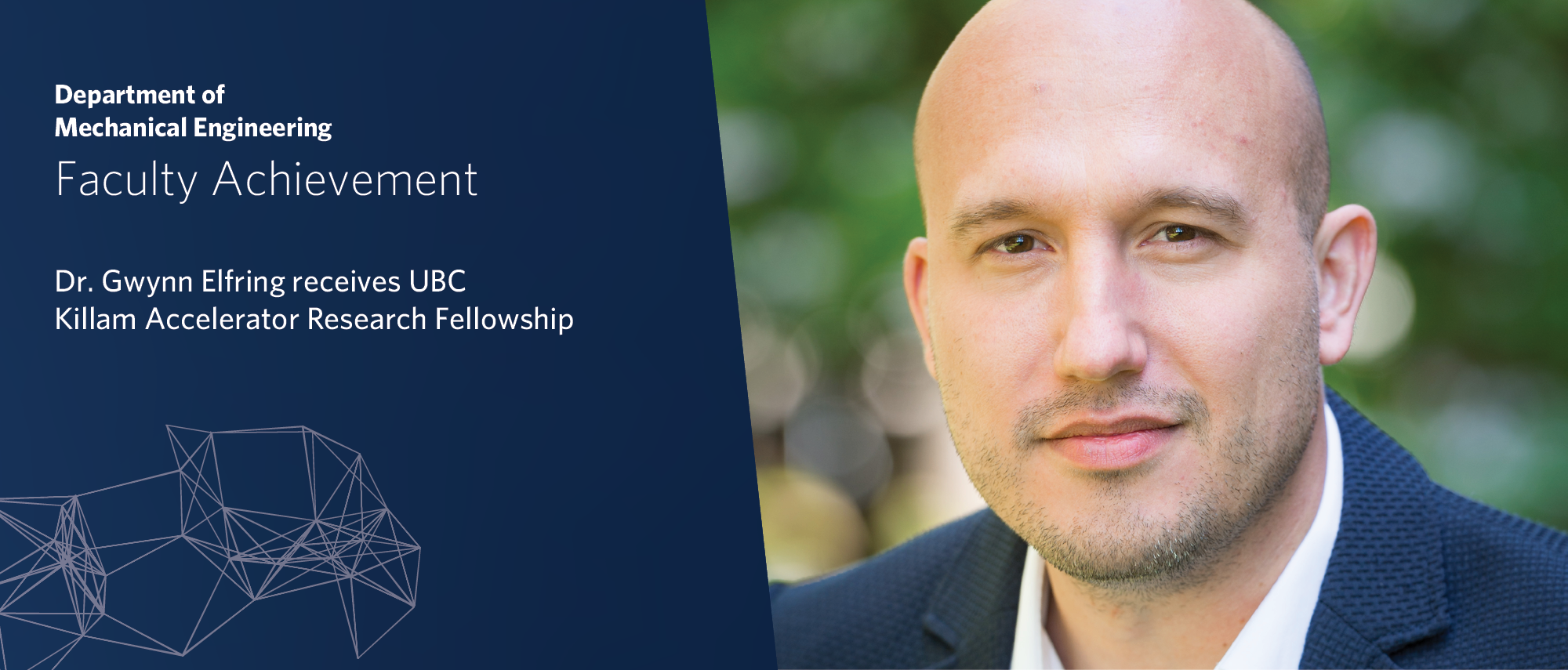
Dr. Gwynn Elfring receives UBC Faculty Research Award

Associate Professor Gwynn Elfring has been awarded one of six UBC Killam Accelerator Research Fellowships, as part of UBC’s 2021 Faculty Research Awards. The awards celebrate research excellence from across the university’s Vancouver and Okanagan campuses. The Killam Accelerator Research Fellowships specifically support “early-career researchers ready to launch the next stage of their careers.” Dr. Elfring researches the mechanics of soft matter, which behaves differently from both solids and non-viscous fluids, and is important to understand when studying organic materials such as cells or membranes. He leads the Soft Matter Group which does interdisciplinary work “at the interface between applied mathematics, physics, engineering and biology,” and is part of the larger UBC Laboratory for Complex and Non-Newtonian Fluid Flow.

Dr. Elfring is one of three UBC Engineering faculty members to be recognized with a Faculty Research Award, alongside Civil Engineering’s Dr. Nemkumar Banthia, and Dr. Anna Blakney from the School of Biomedical Engineering. Read the announcement from the Faculty of Applied Science for more.


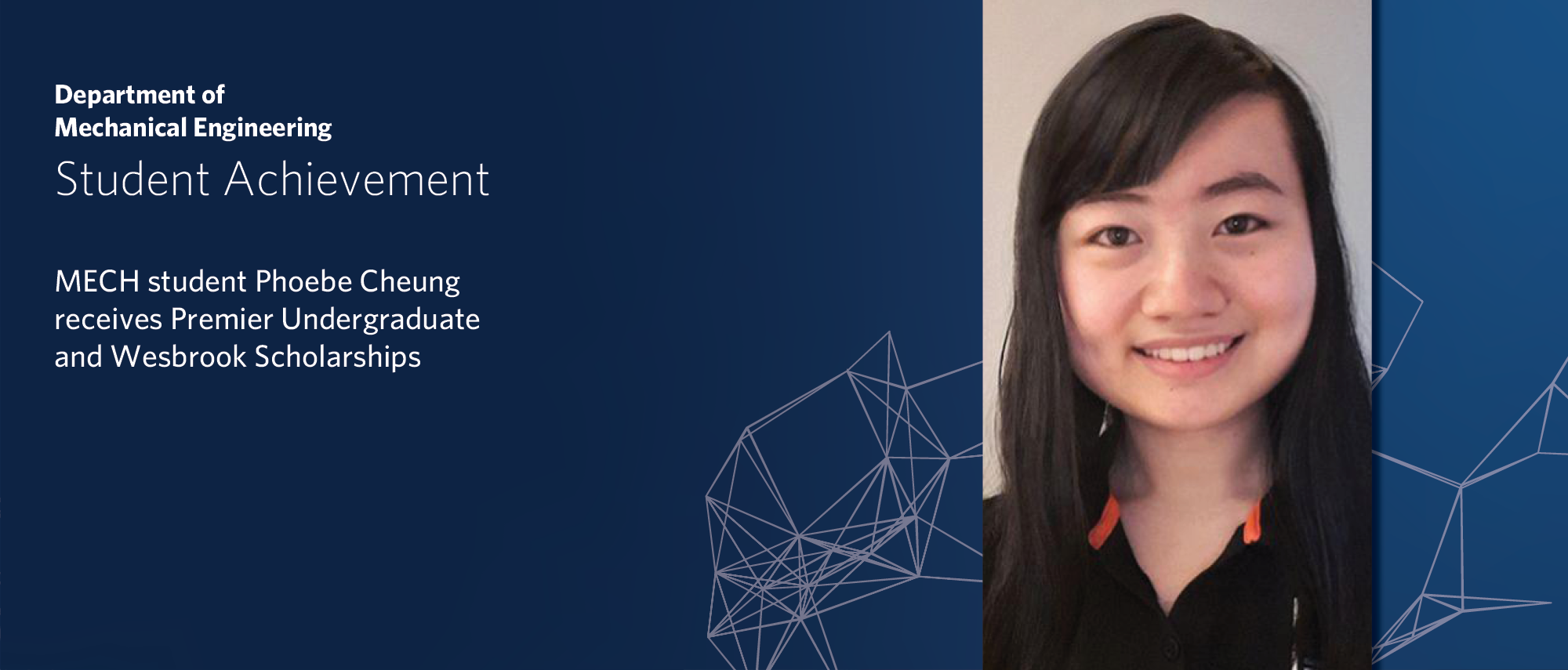
Phoebe Cheung awarded Premier Undergraduate and Wesbrook Scholarships

Congratulations to undergraduate student Phoebe Cheung on being awarded one of twenty UBC Wesbrook Scholarships as well as a Premier Undergraduate HSBC Emerging Leader Scholarship. To receive one of these prestigious scholarships, awardees must be within the top ten percent of their academic year and faculty, as well as “demonstrate strong leadership, teamwork skills, and community participation.” Cheung is one of four UBC Engineering students to receive Premier Undergraduate and Wesbrook Scholarships.

From the Faculty of Applied Science announcement:

Phoebe is a mechanical engineering student in the biomedical option, and she has been an active member of the UBC community since first year. She is currently the team captain of UBC AeroDesign, overseeing the administrative and technical aspects of the team. She is also a researcher at the UBC Micro-Electro-Mechanical Systems Lab, developing soft robotic technology. In addition to being a TA and volunteering at various UBC events, she was also a Geering Up Engineering Outreach instructor, promoting science and engineering to youth across British Columbia. After graduation, she aspires to develop effective and affordable medical devices that would impact the lives of patients across the world. 

Read the full APSC announcement and learn about all the UBC Engineering recipients.

Why protecting air quality in BC matters to your health — not just during wildfire season

Dr. Steven Rogak talks to UBC’s Beyond about ventilating indoor spaces to account for the effects of climate change and respiratory infections like COVID-19, as well as the need to protect our air quality as a community.

High-tech mouthguard tracks head impacts during varsity hockey playoffs

UBC concussion study could pave the way for safer hockey

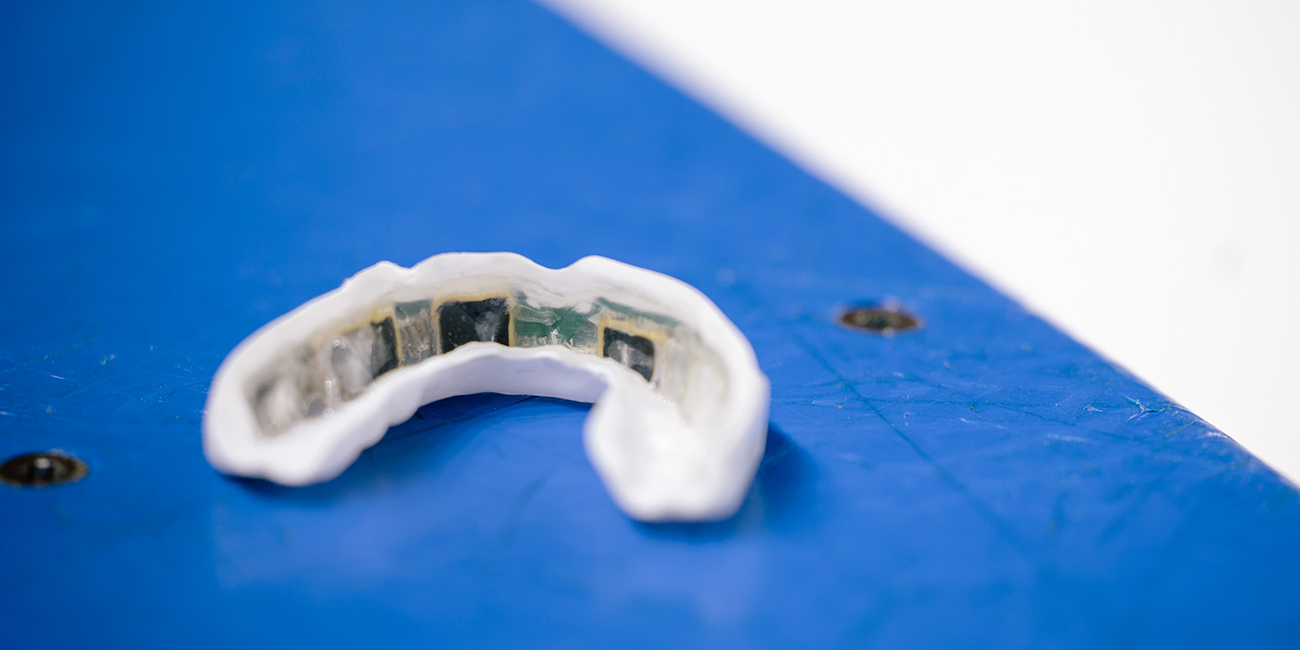
A high-tech mouthguard worn by UBC Thunderbird hockey players will record every big hit of the upcoming playoffs to capture data for UBC researchers who study concussions.

The study is led by Dr. Lyndia Wu, an expert in brain injury biomechanics at UBC’s Faculty of Applied Science. Prior to joining UBC, Dr. Wu helped develop a mouthguard with motion sensors in her PhD work at Stanford University. The mouthguard was later used to study concussions in U.S. college and youth football, and UBC varsity hockey players now wear an advanced version of this mouthguard during games and practice.

The inside of a mouthguard filled with IMG sensors is displayed on the edge of the ice-arena boards“We started a five-year collaborative study with the UBC Thunderbirds men’s and women’s hockey teams with two main research goals: to understand how the brain changes after a concussion in sports and how repeated impacts may lead to longer term brain changes,” says Dr. Wu.
She says the mouthguard is an ideal tool to study these head impacts as it sits closer to the skull than other types of sensors like helmet sensors.

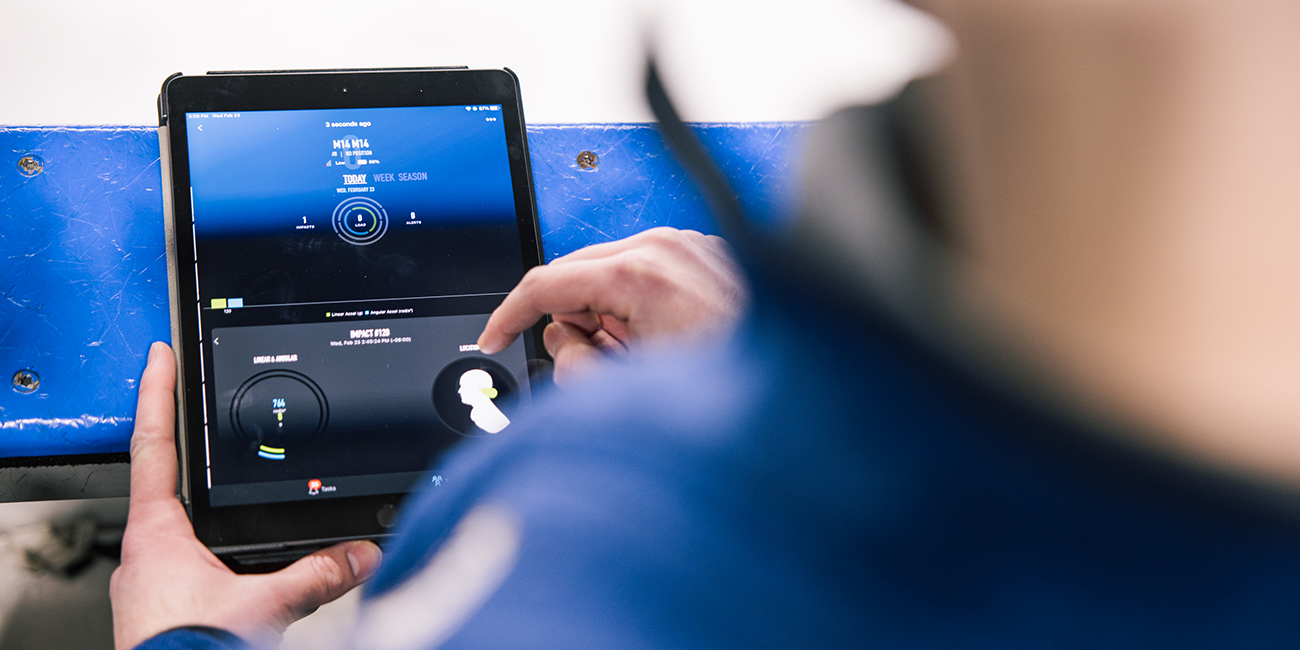
The mouthguard is capable of capturing data such as the speed and direction of the impact and the strength of the blow.

An iPad displays incoming impact data from a high-tech mouthguard which is captured in real-time via bluetoothThe study started recruiting participants last year after receiving a $944,776 grant over five years from the Canadian Institutes of Health Research, working closely with Thunderbirds hockey head coaches Graham Thomas (women’s team) and Sven Butenschön (men’s team).
“Concussions are a part of the game of hockey, because it’s such a fast sport,” says Thomas. “There’s just so much that can happen. We’re doing this [research] for the bigger picture and for the benefit of those who come after us.”

Butenschön says that experiencing a concussion can be more challenging for varsity players than for professional players. “Let’s say you’re playing junior hockey or professional hockey, you get a check to the head, you can isolate, you

can relax and recover. Here at UBC, these players have midterms and exams, and they can’t miss anything because they’ll fall behind quickly with such a demanding academic load.”

Pre- and post-season assessments

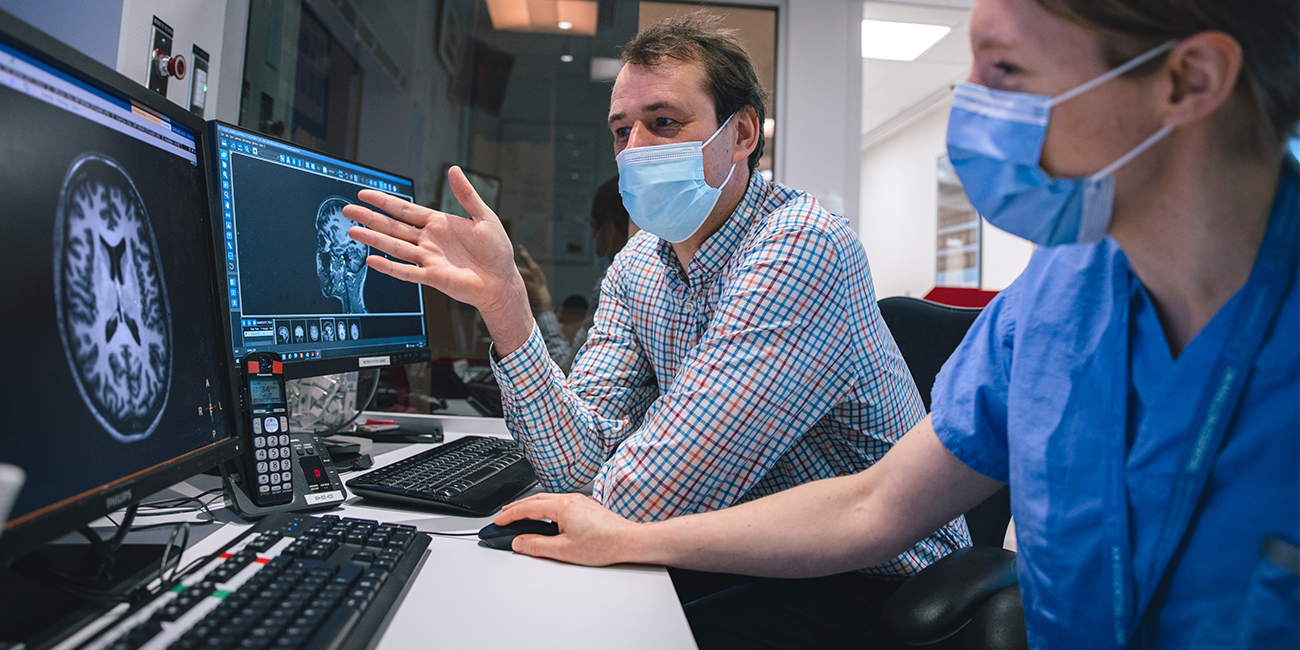
UBC Researchers review brain data being displayed on computer monitors in the MRI Research CentreIn addition to wearing the mouthguards on the ice, the players are given pre- and post-season assessments to track changes in their brain health over time. These tests include MRIs, eye tracking tests, balance tests and cognitive function tests.
“We’re looking at the effects of accumulated head impacts on neurological function so we’re looking at their memory, their moods, their focus, how it affects their balance and also vision,” said study lead Dr. Adam Clansey (he/him), a research associate in mechanical engineering in the faculty of applied science.

The researchers are assessing the impact of severe concussive hits as well as more minor blows to the head.

“Severe hits to the head are what most people are aware of, but even milder hits may have significant effects if they happen multiple times over the years,” says study co-principal investigator Dr. Alexander Rauscher (he/him), an associate professor in the department of paediatrics and the Canada Research Chair in Quantitative MRI.

“Ultimately, we hope to learn how long it takes the brain to recover from a concussion. With this information we can let athletes know that they should take a break after they’ve had a certain number of hits, so that they do not risk ending up with long-term negative effects,” says Dr. Rauscher.

Concussions in women understudied

Another unique aspect of the study is that it is studying both male and female players. Research suggests that women are more likely to sustain a concussion than men, but most of the research has been performed on men.

“There’s been not enough research on female athletes who’ve suffered a sport-related concussion, and so looking at and comparing to male athletes will potentially provide some insight into the sex differences that occur,” says co-principal investigator Dr. Paul van Donkelaar  (he/him), a professor in the school of health and exercise sciences at UBC’s Okanagan campus.

“This research will also help us provide some guidance in terms of allowing both male and female players to play hockey as safely as possible.”

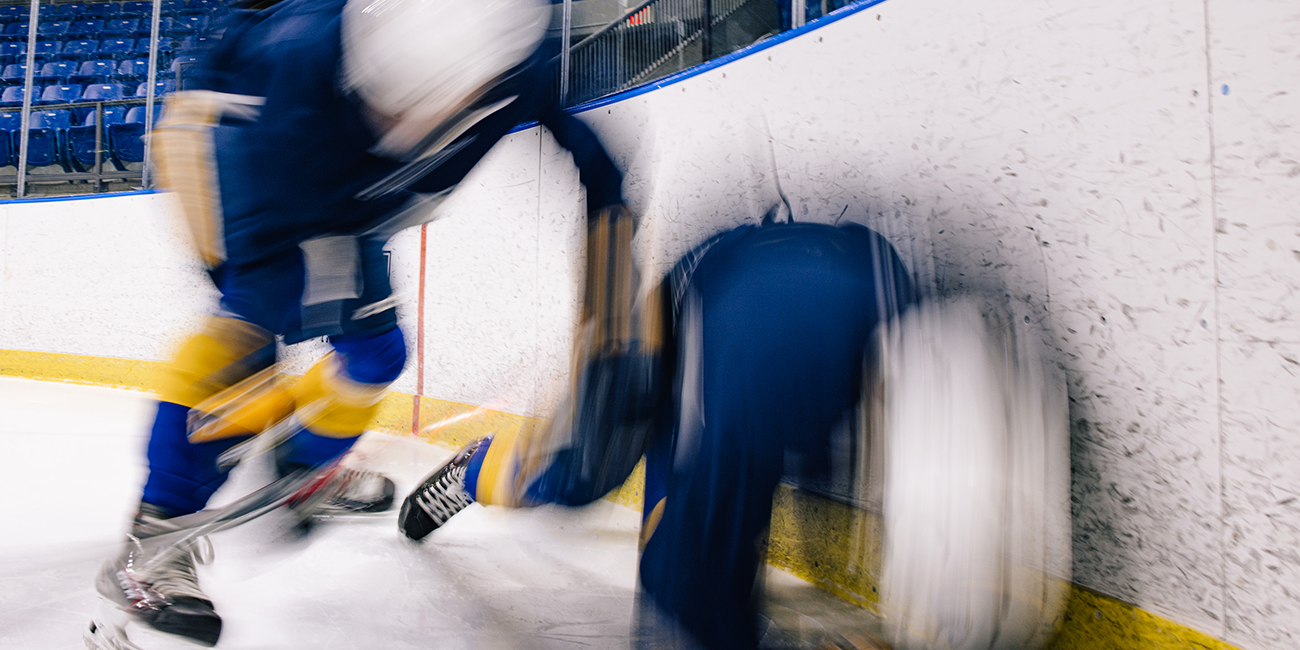
A collision between two hockey players is shown with a blurred effect, capturing the speed at which impacts can occur

The road to safer hockey

While the study has just started, the researchers are hopeful it will lead to better preventative measures such as helmets, improved diagnostic testing and more effective post-concussion treatment.

“Ultimately, we hope to learn how long it takes the brain to recover from a concussion and also give athletes information on where they should take a break after they’ve had a certain number of hits so they do not risk ending up with long-term negative effects,” says Dr. Rauscher.

This study highlights the value of collaboration across different disciplines, adds Dr. Wu. “Concussion research really needs researchers, players and coaches to work closely together and come up with solutions that will benefit future generations of athletes.”

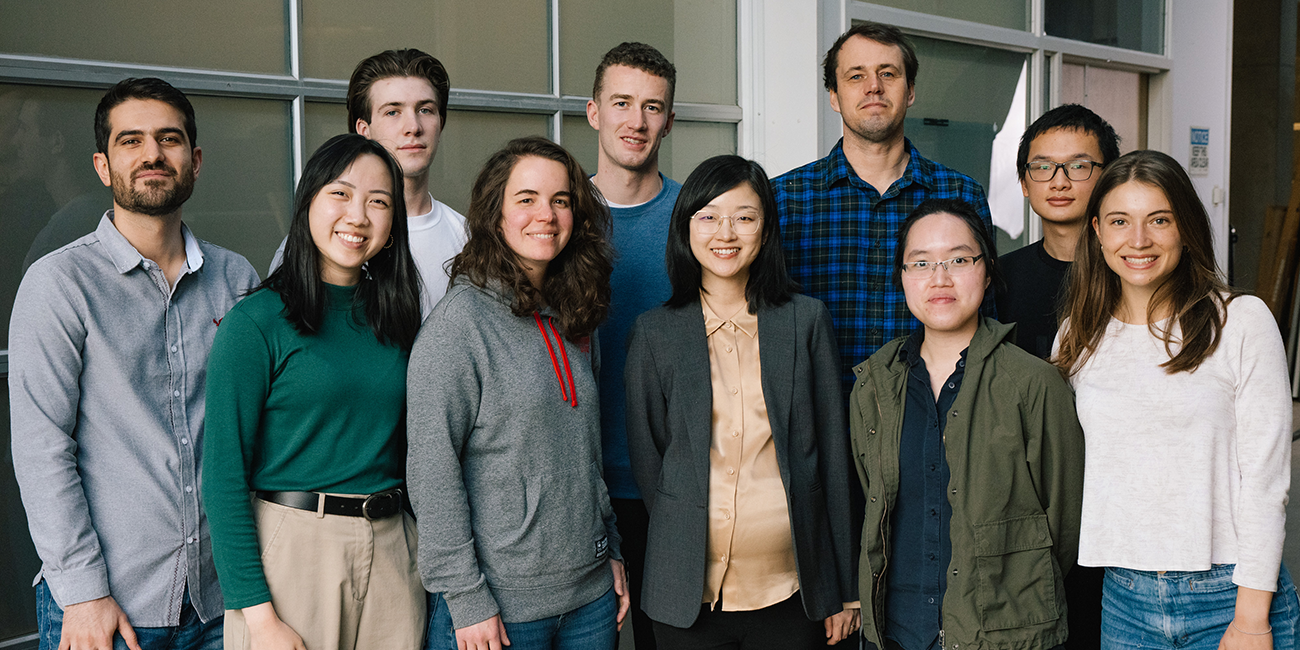
Dr. Lyndia Wu with members of her research team from UBC Mechanical Engineering:

Dr. Lyndia Wu poses with members of her research team from UBC Mechanical Engineering


This article originally appeared on UBC News. Photography by Kai Jacobson.

New Publication: Lubricated Rolling Over a Pool

What happens when the wheels of trains interact with viscous liquids deposited on the track? The answer to this question can help us understand how such industrial liquids can prevent track wear and noise.

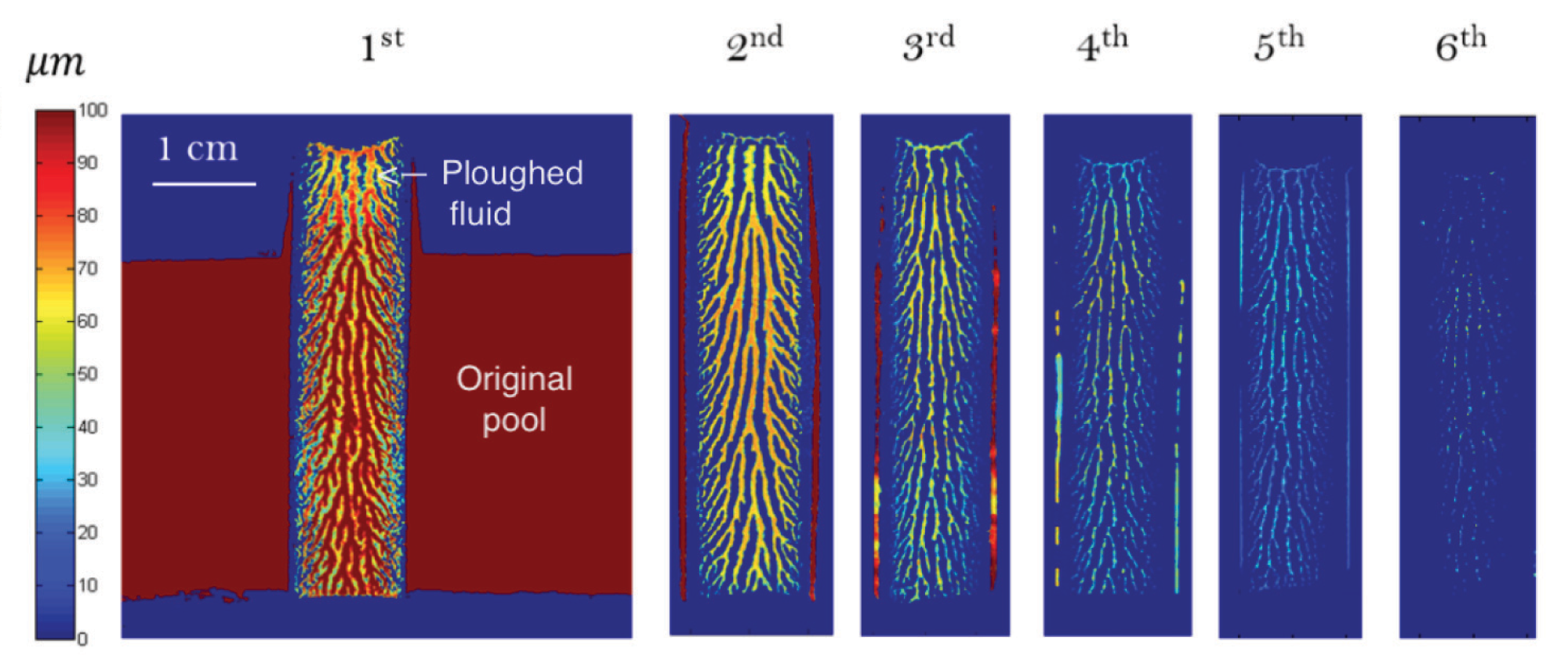
Doctoral student, Hatef Rahmani, under the guidance of Dr. Sheldon GreenDr. Boris Stoeber, and  Dr. Neil J. Balmforth (UBC Math), recently published their findings of the interaction between a cylinder rolling over a pool of viscous liquid in the prestigious Journal of Fluid Mechanics. To answer these questions, they conducted multiple experiments to determine the fluid behavior when it comes in contact with a cylinder, and developed a corresponding theory that predicts the behavior to within 10%.

This problem has potential uses in a variety of cases, but this study primarily focused on the possibilities involved in rail transport, where viscous fluid is applied to the track to prevent wear on the rails and train wheels.  Future work will look at the impacts of wheel shape and the behavior of non-Newtonian fluids, to further investigate the use-case of rail transportation.

Their full article, “Lubricated Rolling over a Pool” from the March Issue of the Journal of Fluid Mechanics is available digitally at: https://doi.org/10.1017/jfm.2021.1100.